


It’s no secret that Brazil is the world’s largest coffee producer by a large margin. And it’s been that way for a long time. With that in mind, I felt like a Brazilian coffee guide was long overdue.
In this article I’ll tell you all about the history of coffee cultivation in Brazil as well as how Brazilian coffee has changed over the years. Heck, I’ll even throw in some information about the best coffee brewing methods for Brazil beans, as well as tips for buying the very best Brazilian coffee.
There’s a lot to cover, so, without further ado, let’s jump right in.
Table of Contents
A Brief History of Brazilian Coffee
Brazilian coffee wasn’t even a thing until the early 18th century, when Portuguese diplomat, Francisco de Melo Palheta visited French Guiana in an effort to secure coffee plants. Although his diplomatic efforts failed, de Melo Palheta wasn’t giving up so easily.
If the story is to be believed, he went ahead and seduced the governor’s wife, persuading her to give him some coffee seeds before smuggling them out of French Guiana in a bouquet of flowers. Ah, the power of love (and coffee!).
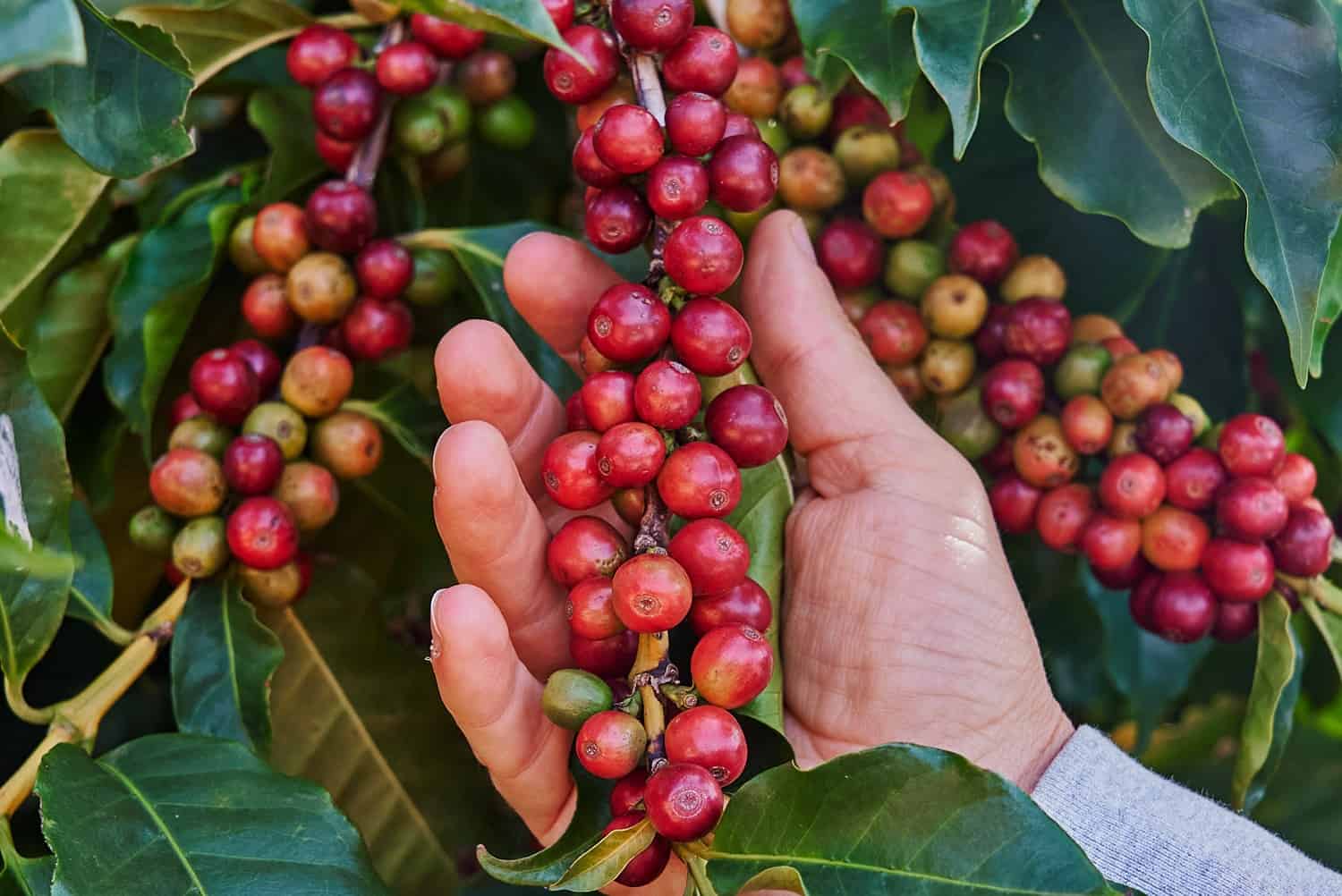
Coffee was first planted in the Brazilian state of Pará, where it thrived, thanks to the favorable climate, healthy soil and abundance of land. In the ensuing decades, coffee production was limited, but the industry exploded in the 1820s, fueled by slave labor. Large-scale coffee plantations quickly sprung up in southeastern states like Minas Gerais and São Paolo, and by the middle of the century, Brazil was the largest coffee producer and exporter in the world.
Although slavery was abolished in 1888, conditions didn’t change much for plantation workers. Coffee production continued to drive the Brazilian economy, quickly surpassing the mineral extraction industry in importance. Interestingly, we can attribute the growth and modernization of São Paolo to coffee’s success as an economic driver. Brazilian coffee’s “big boom” ended in the 1930s, but the country maintained its global dominance of the coffee sector.
Brazilian Coffee Production Today
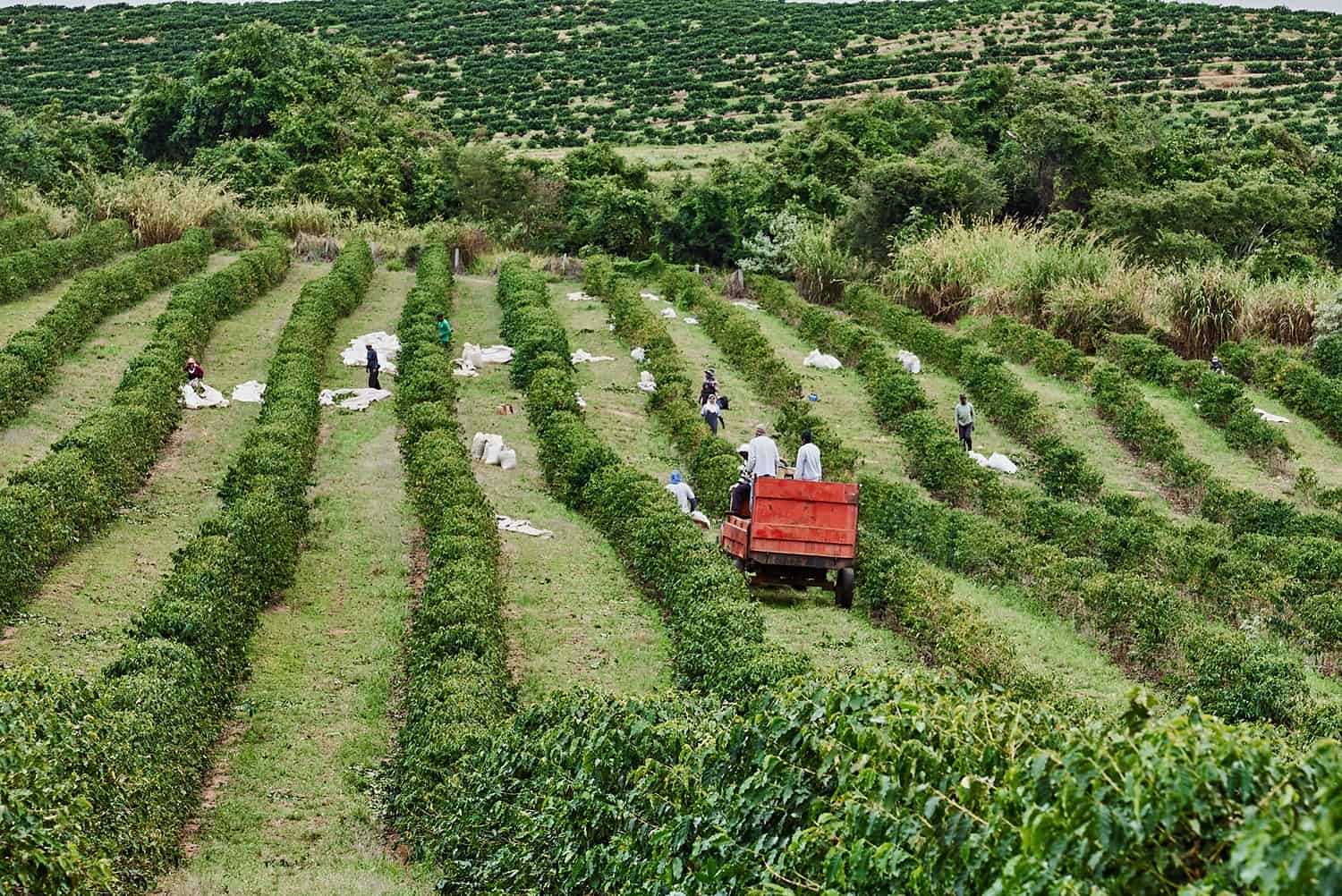
According to the United States Department of Agriculture (USDA), Brazil produces around 35 percent of the world’s coffee. Production is highly industrialized, with large-scale plantations still common. Brazil mainly cultivates Arabica coffee, although it does produce a significant amount of Robusta too.
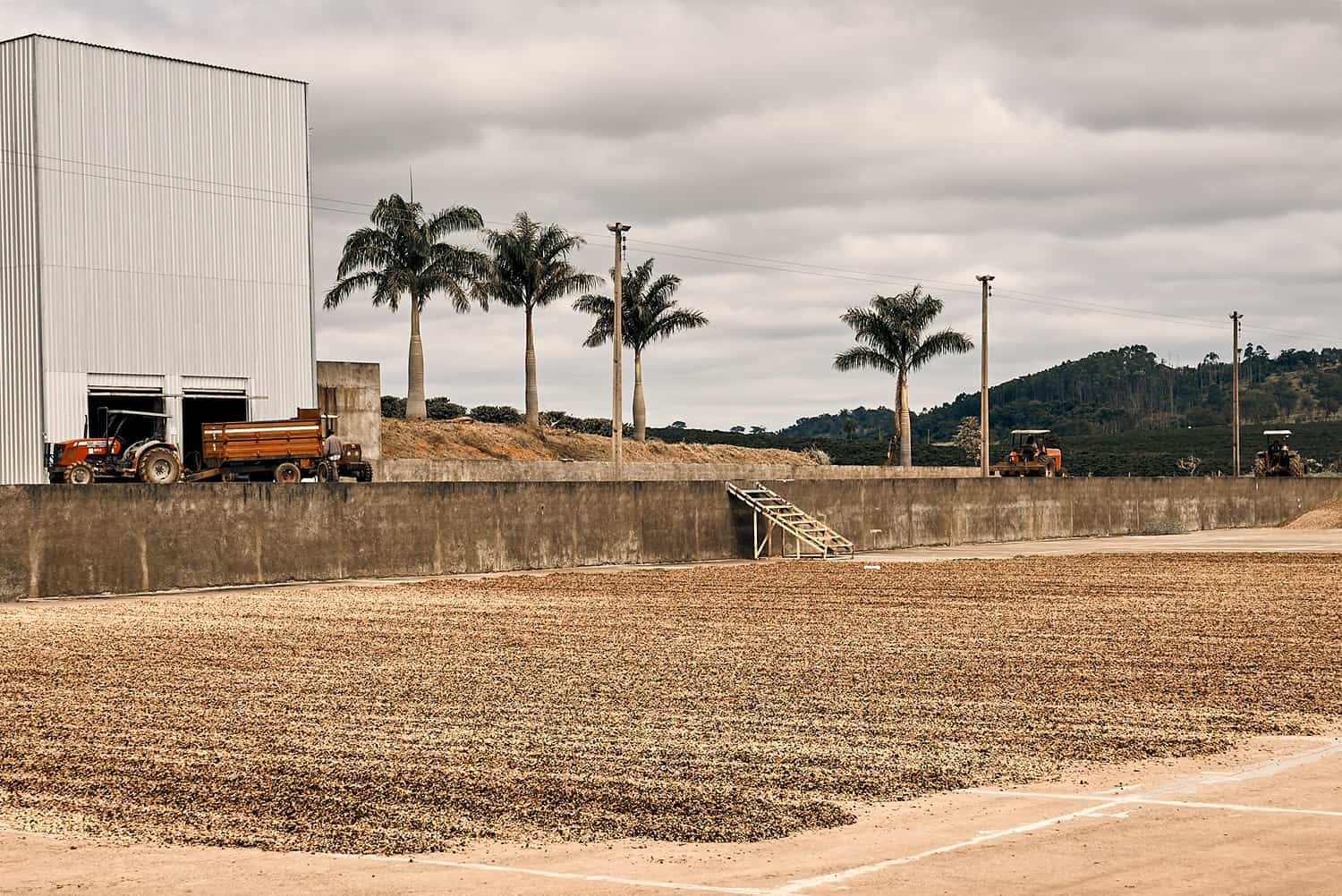
Unfortunately, much of the Arabica Brazil exports is of middling quality; mechanized harvesting isn’t selective enough to prevent unripe cherries from being picked. However, in response to the growing demand for specialty-grade coffee, Brazil has started focusing its efforts on improving quality.
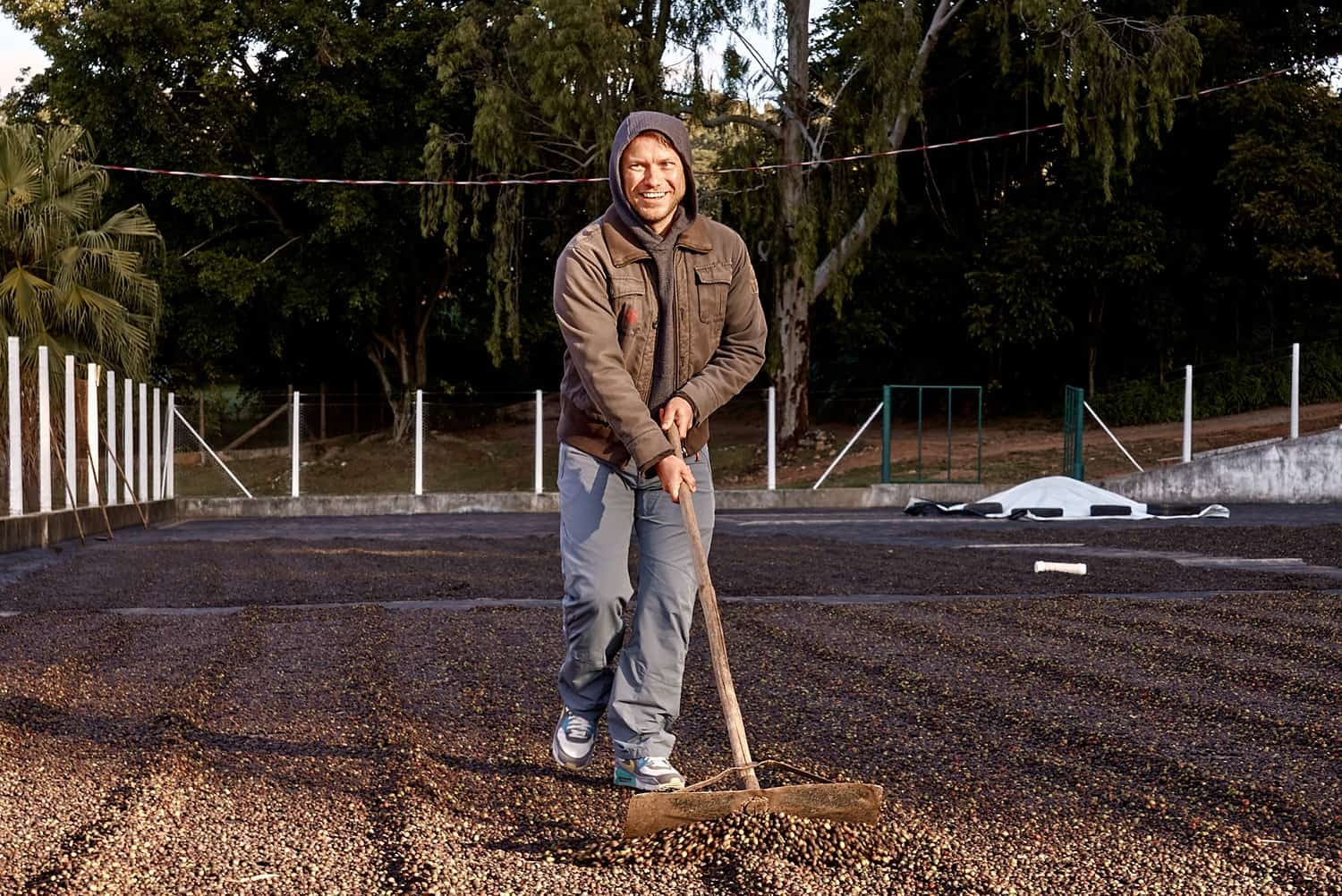
Take our producer partner, Ocafi, for example. These guys work with farmers in Brazil, helping develop a knowledge base and ensuring quality control. The end result is a superb selection of high-quality, single-origin Brazilian coffees. Oh, and we procure our green coffee beans directly from Ocafi, meaning more money for farmers and no third parties benefitting.
Brazil Coffee Growing Regions
Brazil doesn’t have the ideal natural environment for specialty coffee production. Elevations are relatively low, there’s no volcanic soil and rainfall isn’t as bountiful as we might like. However, there are numerous microclimates scattered throughout the coffee-producing regions, and many areas have unique coffee terroir. What’s more, Brazilian coffee farmers have developed unique coffee processing methods like pulped natural and honey process.
The results have been very well-received, and Brazil specialty coffee is now prized for its low acidity, sweetness and nutty, chocolatey flavor profile. Furthermore, some regions have been awarded Indication of Origin certifications, proving unique terroir and high production standards.
The end result is that it’s now possible to detect distinct flavor profiles from different growing regions. Let’s take a look at the states that produce coffee in Brazil and the notable regions within each state.
Bahia
Coffee production came late to the state of Bahia, only taking off in the 1970s. However, Bahia has quickly become a standout coffee-growing area thanks to modern production methods and a favorable climate.
Growing regions in Bahia include Planalto da Bahia, Cerrado da Bahia and Atlantico Baiano, all of which produce fantastic Arabica coffee beans. But it’s Oeste da Bahia that’s the standout region.
Awarded an Indication of Origin certificate in 2019, Oeste da Bahia has ideal conditions for growing high-quality coffee, including a stable climate, gently rolling topography and elevations over 700 meters above sea level (masl). Coffee from Oeste da Bahia is prized for its sweet, floral notes and crisp acidity.
Minas Gerais
Minas Gerais is the powerhouse of Brazilian coffee, producing around half of all the country’s coffee beans. There’s a mix of large-scale plantations and smallholder farms here, and a wide range of quality.
However, there are some notable areas within the state that produce some of the most exceptional coffees around. These include Matas de Minas, Mantiqueira de Minas and Região do Cerrado Mineiro, all of which have been awarded Indication of Origin certifications.
Thanks to its high elevations, microclimates and long coffee-growing tradition, Mantiqueira de Minas, in particular, is ideal for growing specialty coffee. Cup results from coffee grown here will surprise you with their complexity and balanced sweetness.
São Paolo
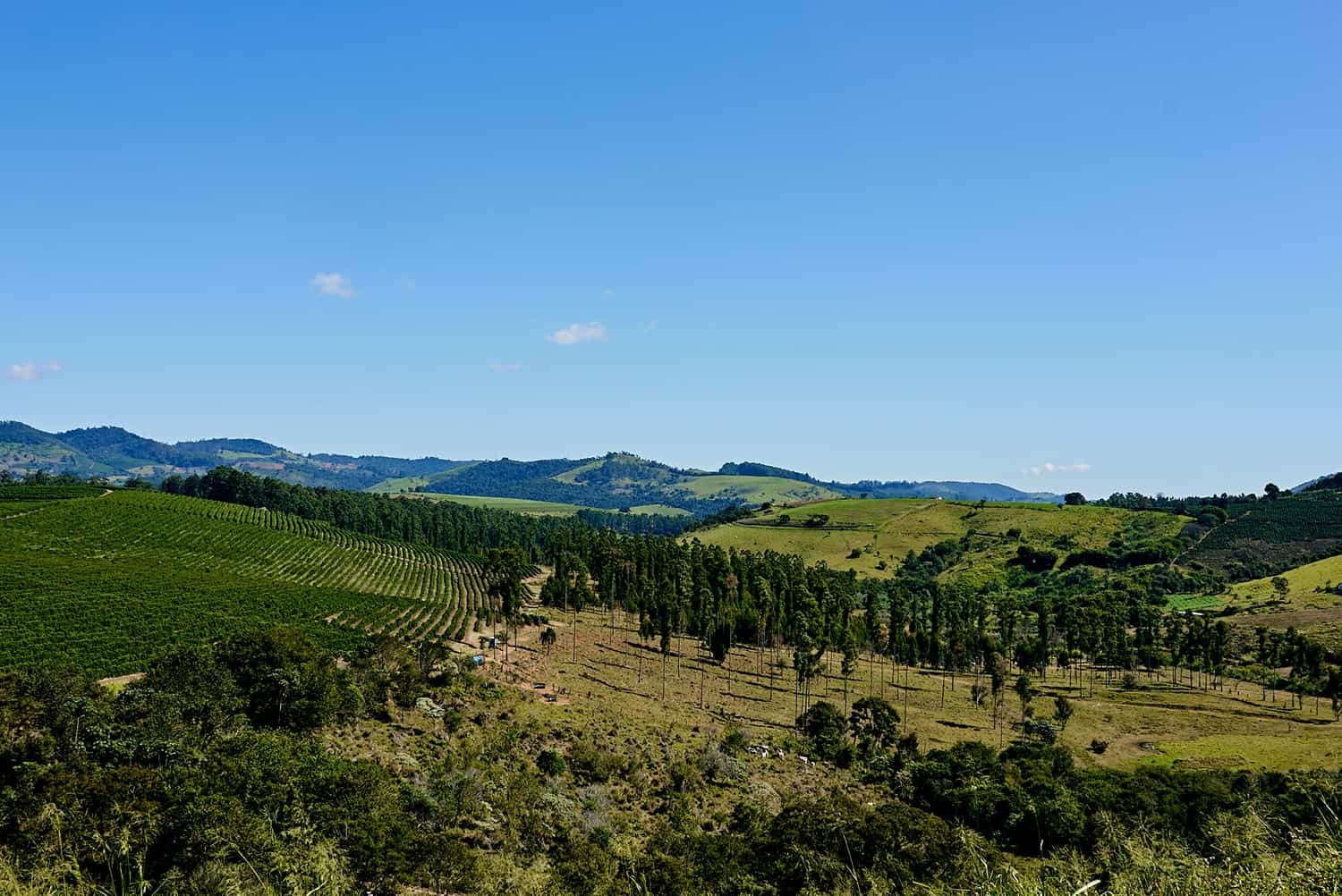
Much of the coffee we use in our Espresso Blend comes from the region of Alta Mogiana in São Paolo. Again, this coffee-growing region has earned an Indication of Origin certification, and produces truly outstanding Arabica beans.
As it happens, I was fortunate enough to travel to Alta Mogiana when I was first developing a relationship with Ocafi. I can tell you that this region has the ideal conditions for cultivating outstanding coffees.
Thanks to its elevations of between 900 and 1,000 masl and wonderful climate, coffee cherries have time to develop slowly. This means the coffee from Alta Mogiana is complex and well-rounded. Plus, it displays the classic Brazilian profile of chocolate, caramel and nutty flavors.
Espírito Santo
Espírito Santo is the second largest coffee-producing state in Brazil, with Robusta accounting for much of the area’s output. One exception is the Montanhas do Espírito Santo region, which is renowned for its beautiful washed and natural process Arabica beans. With elevations as high as 1,400 masl and a mild climate, Montanhas do Espírito Santo produces coffee with fruity aromas, balanced acidity and wonderful depth and complexity.
Rondônia
The state of Rondônia is best-known for producing large amounts of Robusta coffee. Still, it does have the Matas de Rondônia region, which is protected by an Indication of Origin certification. The majority of coffee grown in this region is either Robusta or Conilon, both of which thrive here. If you’re lucky enough to get hold of a single-origin coffee from Matas de Rondônia, expect notes of chocolate and spice as well as a distinctly herbal finish.
Paraná
The most exciting coffee-growing region in the state of Paraná is called Norte Pioneiro do Paraná. Although elevations rarely exceed 500 masl, the climate and soil are ideal for cultivating high-quality beans. That’s why Norte Pioneiro do Paraná has been protected by its Indication of Origin status for almost 15 years. Coffee from this region is prized for its fruity and floral notes as well as its bright, lingering finish.
Brazilian Coffee Varieties
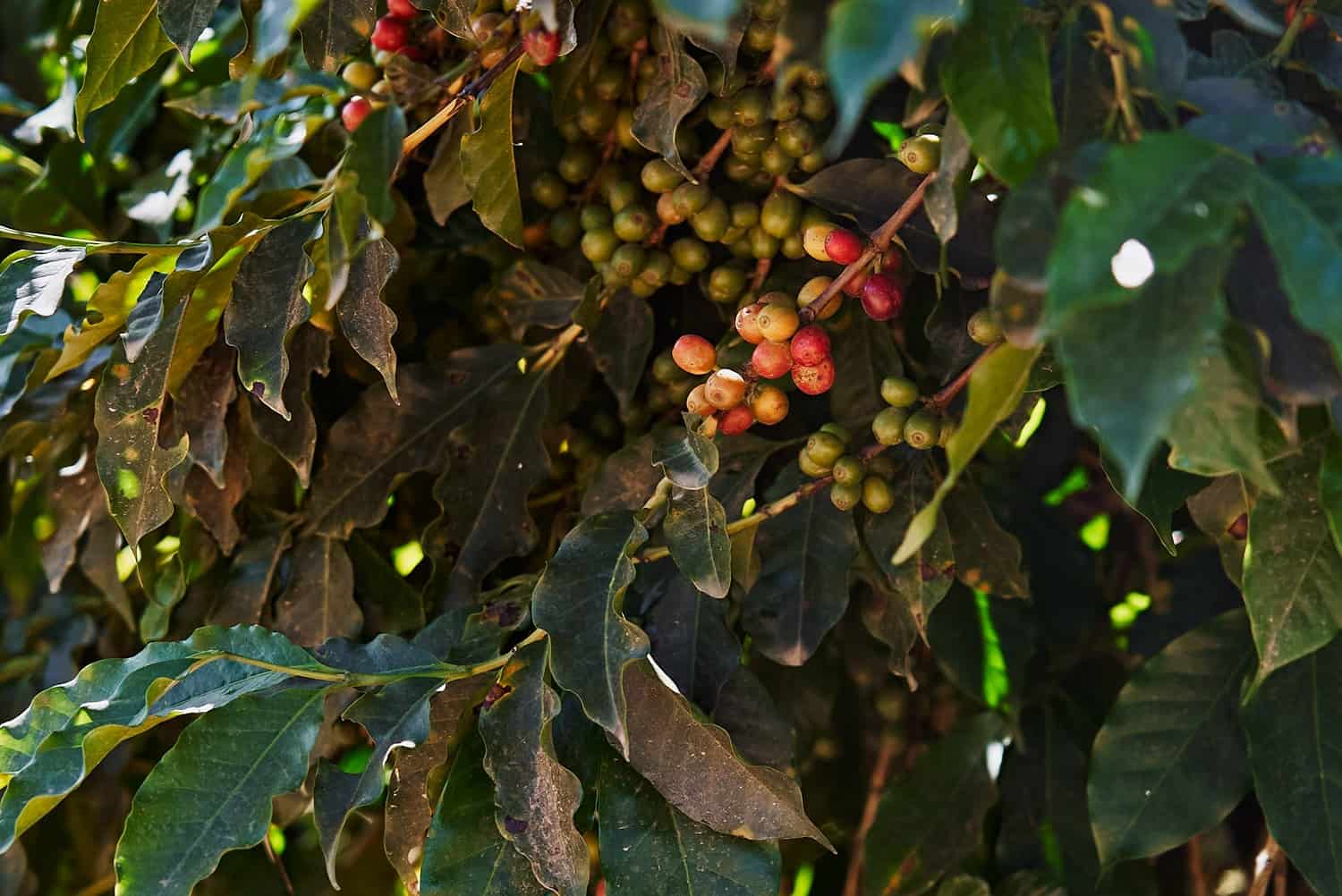
As I mentioned earlier, Arabica accounts for most of the coffee grown in Brazil. In the beginning, the Brazilian coffee industry was all about heritage varieties like Typica and Bourbon. However, over the years, Brazilian agricultural researchers put a lot of work into developing country-specific hybrids in response to pest, climate and quality concerns. Here are the most popular cultivars in Brazil:
Bourbon: A natural mutation of Typica, Bourbon is more hardy and has a higher yield. Brazil is known for its beautifully sweet and complex Red Bourbon and Yellow Bourbon varieties.
Mundo Novo: A naturally occurring hybrid, discovered in São Paolo in the 1940s. It has since become a hugely popular variety in Brazil, not least for its adaptability and natural disease resistance.
Catuai: Another very popular variety, Catuai is a cross between Mundo Novo and Caturra. Sweet and well-balanced, Catuai grows as small, hardy coffee trees that are easy to tend and grow well in dense plantations.
Obata: A recently developed hybrid, Obata is a cross between Timor and Villa Sarchi. This is another dwarf variety that’s remarkably tough and versatile. Obata demonstrates delightful sweetness and subtle brightness, as well as caramel, nut and chocolate notes.
What Does Brazilian Coffee Taste Like?
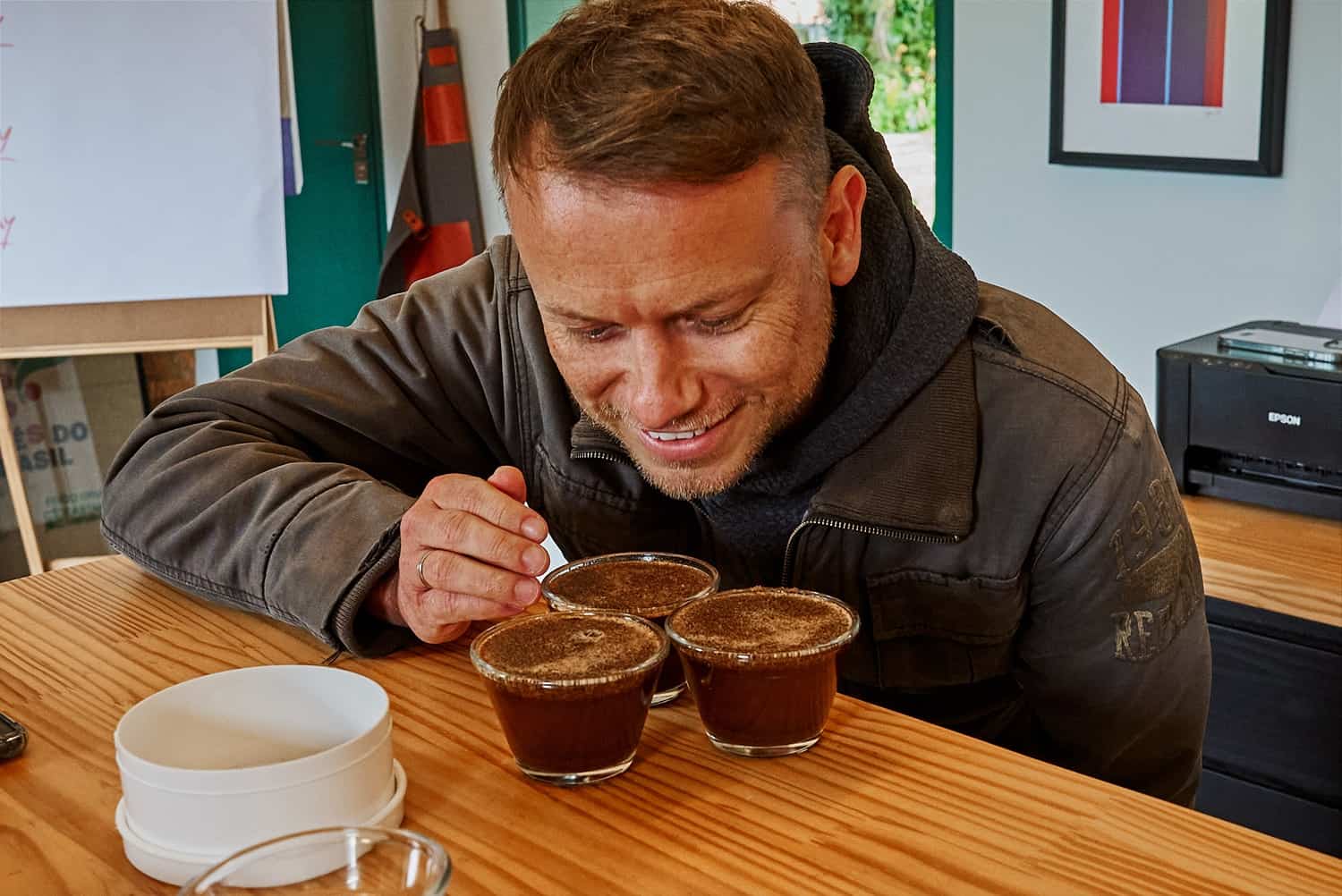
There’s no getting away from the fact that there’s a commonly accepted flavor profile for Brazilian coffee: chocolate, hazelnut and caramel. What’s more, coffee from Brazil has become popular thanks to its low acidity, medium body and mild, well-balanced finish. In other words, Brazilian coffee has long been seen as being very approachable and drinkable.
Things have evolved in recent times, as more and more producers try out new processing methods and experiment with cutting-edge fermentation techniques. It’s now possible to find juicer, more fruit-forward Brazil coffee, especially if it was grown at higher elevations. Sure, you aren’t going to experience the kind of brightness associated with Kenyan coffee. However, some Brazilian specialty coffee will be equally complex.
At this point, I should mention Robusta and Conilon, both of which are gaining ground in the Brazilian specialty coffee sector. The Conilon Variety, in particular, is benefitting from improved processing, leading to cleaner cup profiles and increased sweetness. And while this high-yield variety isn’t as complex as Arabica, it’s way more disease-resistant and adaptable.
What’s the Best Brewing Method for Brazilian Coffee Beans?
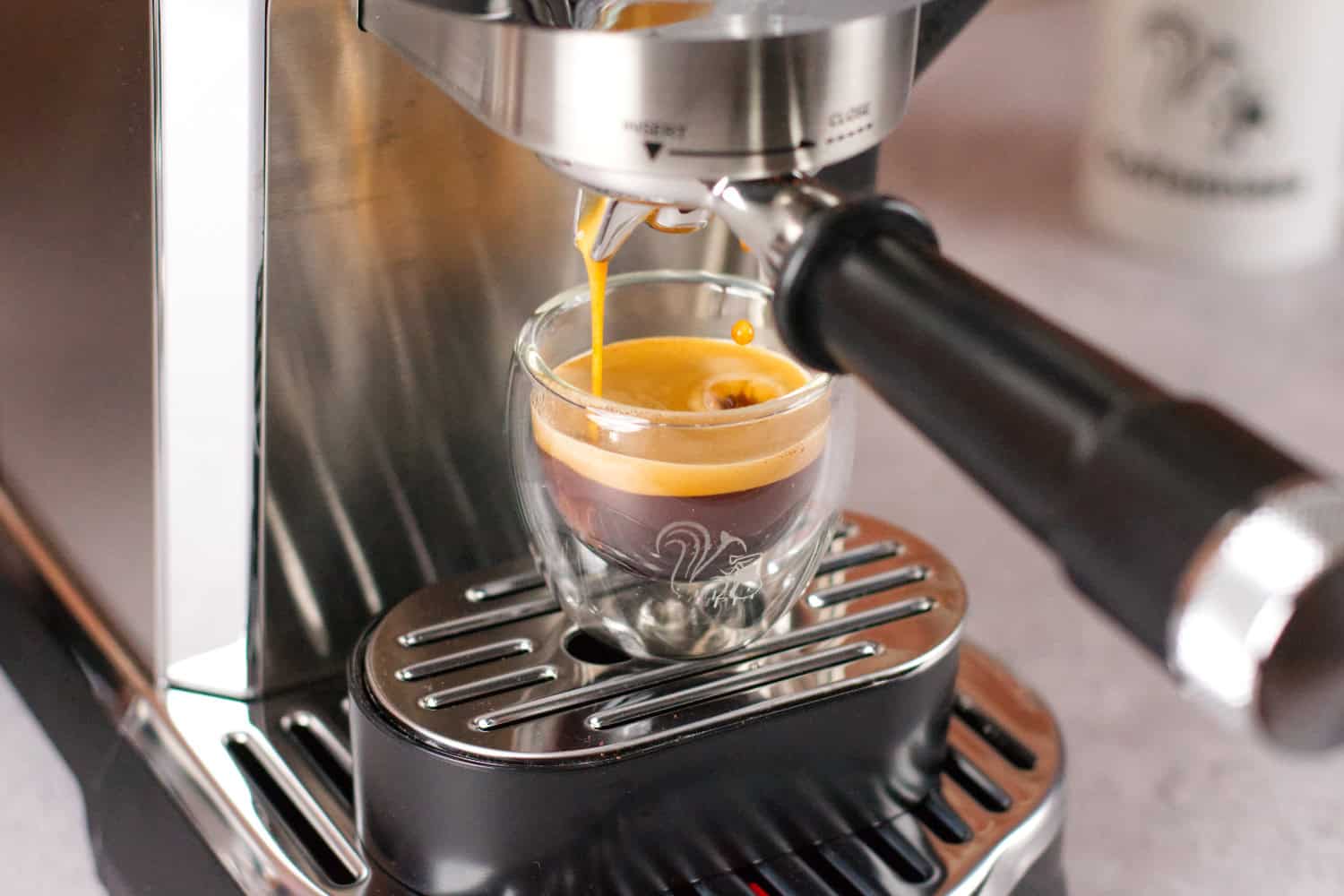
In my humble opinion, there’s really no “best” coffee brewing method for Brazilian beans, especially given the wide variety now available. Still, when we’re talking about the classic Brazilian flavor profile, you’ll be rewarded with a smooth and balanced cup of drip coffee or pour-over. Oh, and you can also make sweet and delicate cold brew coffee with these beans.
Of course, the coffee’s roast profile will have an enormous impact on how your coffee tastes. In my experience, many roasters take Brazilian coffee way too far because the beans can handle a dark roast profile well. However, I’d recommend looking for medium-light roast beans if you really want to experience what Brazilian coffee is all about.
You won’t be surprised to hear me say that Brazilian coffee truly shines when used for espresso preparation. I mean, there’s a reason my favorite espresso blends are composed of coffees from Brazil! When it’s done right, a Brazilian espresso blend is hard to beat; you’ll experience a full-bodied, rich espresso shot, with deep complexity and a long, satisfying finish.
Final Thoughts
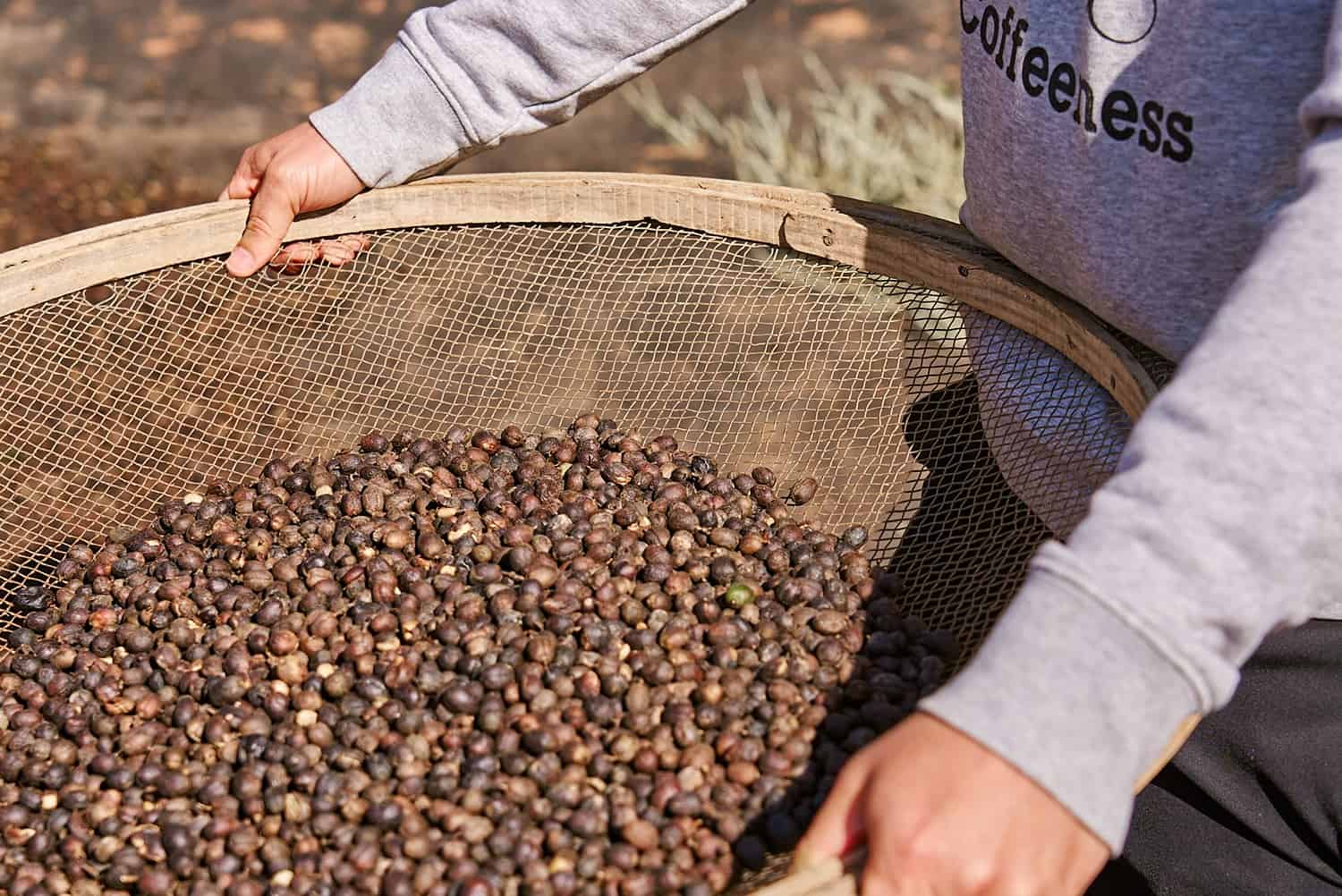
While Brazil remains the world’s largest coffee producer, it’s no longer all about exporting commodity coffee and low-quality beans for instant coffee manufacturers. As we’ve seen, Brazil’s specialty coffee growers are garnering rave reviews from roasters and discerning coffee lovers.
With that said, I can’t sign off without mentioning the fact that coffee from Brazil is far from safe. As we’ve seen over the past couple of years, climate change is certainly beginning to affect production here. And a devastating drought in Brazil can have a huge effect on coffee prices around the world. I don’t have the answer, but we should all remember that coffee is a luxury product that’s worth paying top dollar for.
I hope you’ve enjoyed my Brazilian coffee guide. Do you have any suggestions for brewing beans from Brazil? Feel free to share in the comments section!
Brazilian Coffee Guide FAQs
In general, Brazilian coffee is known for its low acidity and mild, well-balanced cup profile.
Brazilian coffee isn’t necessarily higher in caffeine than beans from any other country. However, Brazil does produce a substantial amount of Robusta coffee, which has roughly twice the caffeine of Arabica beans.
People love Brazilian coffee because it’s approachable and easy-drinking. Featuring flavors of toasted nut, caramel and chocolate, coffee from Brazil is also notoriously low in acidity.