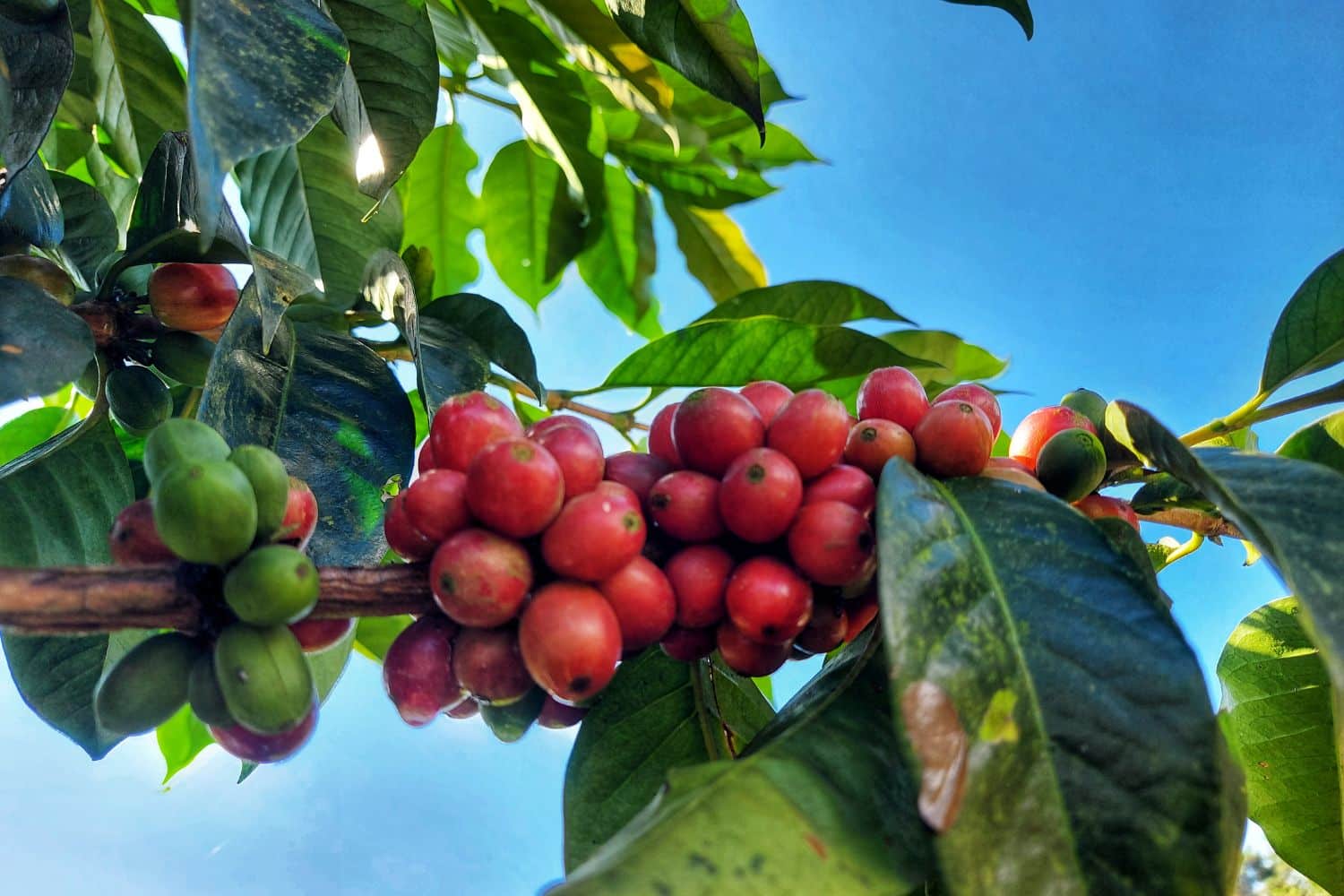




If you’re a coffee lover, Arabica and Robusta should practically roll off your tongue by now. But have you heard of Liberica coffee beans?
These intriguing coffee beans are bold, smoky and unapologetically different. And they’re making quite the comeback! Once forgotten on the coffee scene, they’ve now caught the attention of coffee connoisseurs who crave for something beyond the ordinary.
So, what is Liberica coffee exactly?
In this guide, I’ll explore what makes this coffee unique. I’ll look at where it thrives, why it nearly vanished and where it stands in coffee culture today. Read on to learn why Liberica might just be your next coffee obsession.
Table of Contents
Liberica vs Arabica vs Robusta
Arabica, Robusta and Liberica are the three coffee species that dominate world markets. Yes, there are more (Excelsa, Stenophylla, Racemosa and Eugenioides, among others) but these three, plus Excelsa, are what you’ll mostly find traded today.
Arabica (Coffea arabica) is smooth and sweet. It has complex fruit, berry, floral, chocolate or nutty notes, and boasts a lower caffeine content (1.2-1.5% by weight).
Arabica thrives in East Africa, South and Central America and parts of Asia and Australasia. You’ll hardly find it growing below 800-2,200 meters above sea level (masl).
Robusta (Coffea canephora), Arabica’s bolder, earthier cousin, thrives at lower altitudes of 600-1,200 masl. It’s acclimated to hotter, more humid conditions and easily fights off diseases that would devastate Arabica plants.
This species makes up the bulk of production in Vietnam, Brazil, Indonesia and parts of Africa. Some describe it as having a bitter, burnt-rubber quality, which sounds terrible, but actually works in bold espresso blends. Its higher caffeine content (2.2-2.7%), is also a selling point.
Lastly, we have Liberica, in Latin, Coffea liberica. It’s smoky, woody and sometimes funky, with dark fruit or floral notes.
Originating from Liberia and surrounding regions in West Africa, you’ll mostly find Liberica growing at below 1,000 masl. As it’s highly adapted to tropical conditions, it thrives in Southeast Asia (Indonesia, Malaysia, Phillipines), the African islands of Madagascar and Seychelles and in Suriname and Guyana (introduced by the Dutch in the 1800s).
Interestingly, producers use it as rootstock when grafting Arabica/Robusta to improve disease resistance.
With its moderate caffeine content (1.4-1.5% by weight), and unique flavor, Liberica coffee beans dominate niche markets, especially domestic Southeast Asian and instant coffee markets.
Breaking Down the Bean: Physical Differences
Can you tell the difference between Arabicas vs Robusta vs Liberica beans simply by looking at them? Most definitely.
Arabica beans are elongated and oval-shaped, with a distinct curved or S-shaped center cut (crease down the middle). Typically 8-12 millimeters in length, they’re consistently uniform, which is why they process so well in commercial roasting and grinding equipment.
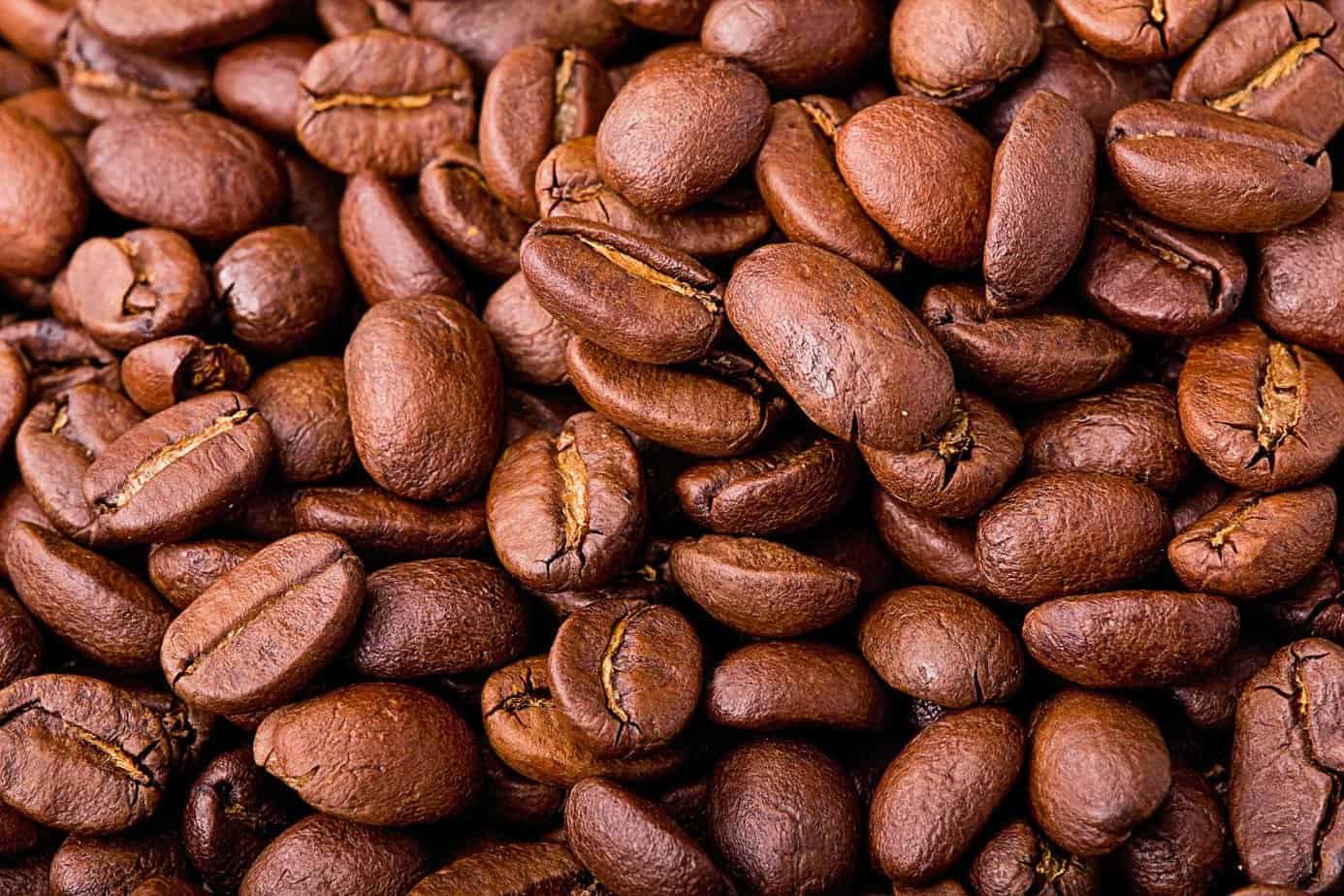
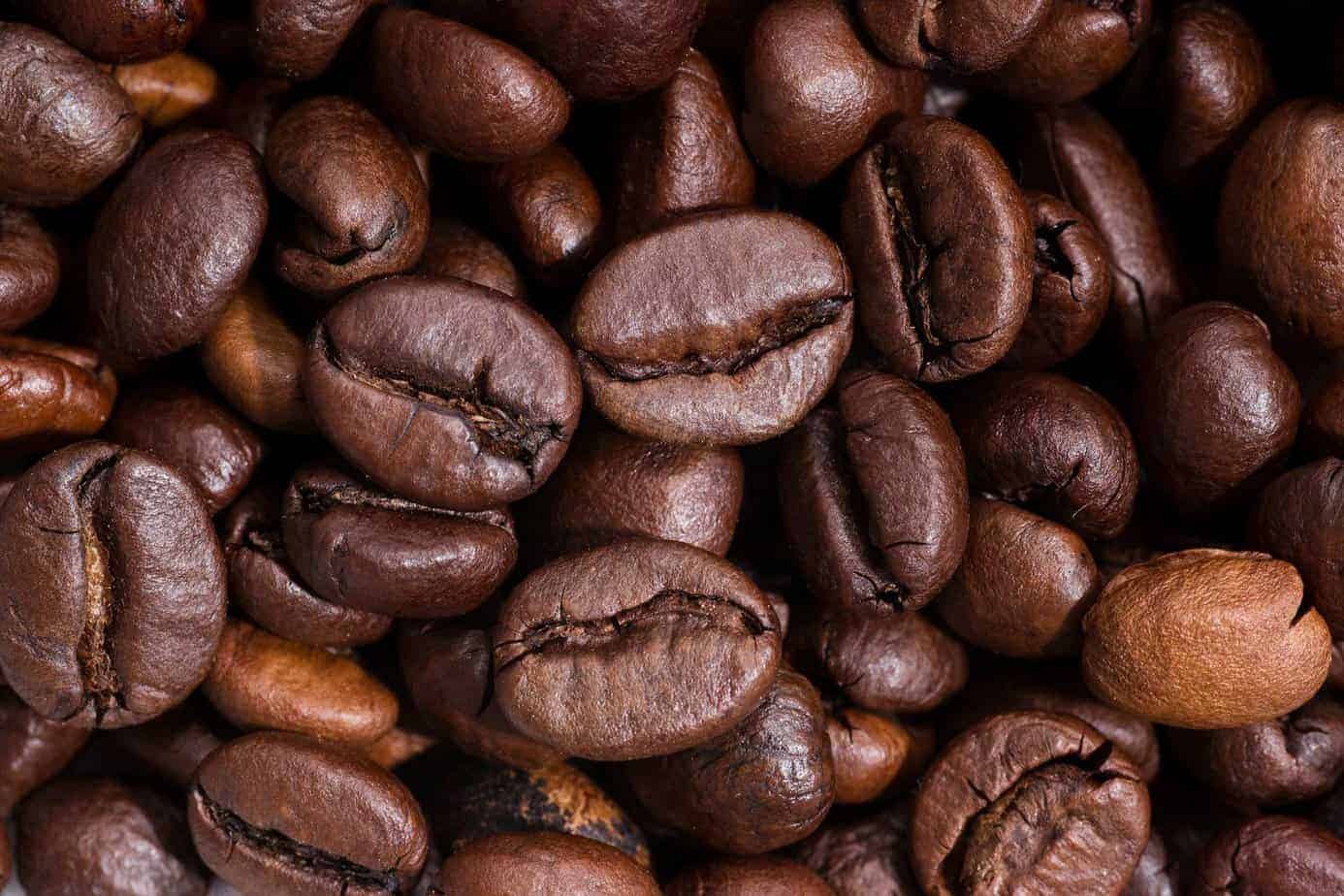
After roasting, these beans display relatively even coloration, ranging from cinnamon to dark chocolate to almost black, depending on the coffee roast profile. Unroasted beans have a bluish-green to grayish-green hue.
Robusta beans are smaller, rounder and straighter in their crease. Smaller than Arabica (typically 6-8 millimeters in length), they’re noticeably more chunky.
You’ll find a greater color variation when roasting Robusta, even within a single batch. The bans can show slightly mottled coloring, and tend toward lighter browns with occasional dark spots or patches. Raw Robusta beans are more tan compared to Arabica’s blue-green color.
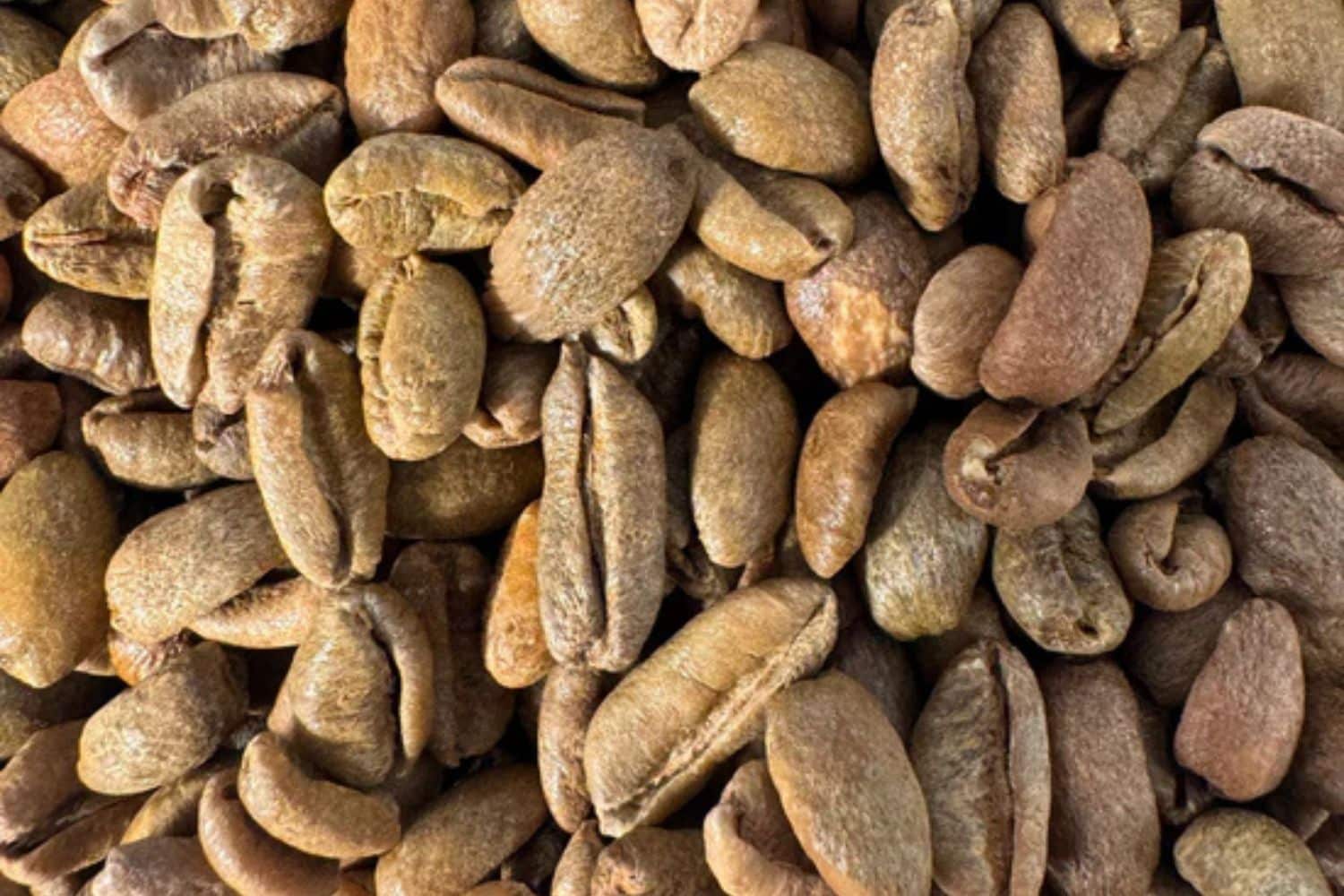
Liberica beans are larger, with an asymmetrical hook-shaped appearance. Some beans lean left and others right, with one side being more bulbous than the other. Notably, the shape can vary dramatically even within a single harvest.
At 12-16 millimeters in length, they show the most color variation on roasting, with dark and light patches across a single bean. Unroasted beans have a dull tan or grayish-brown color.
A single Liberica coffee bean can be 50-75 percent larger than an Arabica bean, and nearly twice the size of Robusta. This size difference presents problems when roasting and grinding. In fact, Liberica struggles in modern processing facilities designed for standard-sized Arabica and Robusta beans.
A Brief History of Coffea Liberica Cultivation
Unlike Arabica, which hails from Ethiopia, and Robusta, which originated in the Congo, Coffea liberica is native to Liberia (hence its name). It also grows wild in Côte d’Ivoire, Sierra Leone (the home of Coffea stenophylla) and Ghana. European botanists first documented it in this region in the mid-1800s.
At the time, nobody paid much attention to this coffee. And why would they? Arabica was already the darling of the coffee world. Still, by 1880, modest Liberica plantations were thriving in Liberia and the surrounding regions.
Then, in the 1890s, disaster struck. Coffee leaf rust swept across Southeast Asian Arabica plantations, decimating trees.
Ceylon (now Sri Lanka) saw its entire coffee industry collapse. Plus, Indonesia, the Philippines, Malaysia and surrounding countries watched as their Arabica plantations withered and died.
In desperation, colonial powers (the Spanish in the Philippines and the Dutch in Indonesia), began importing Coffea liberica from West Africa.
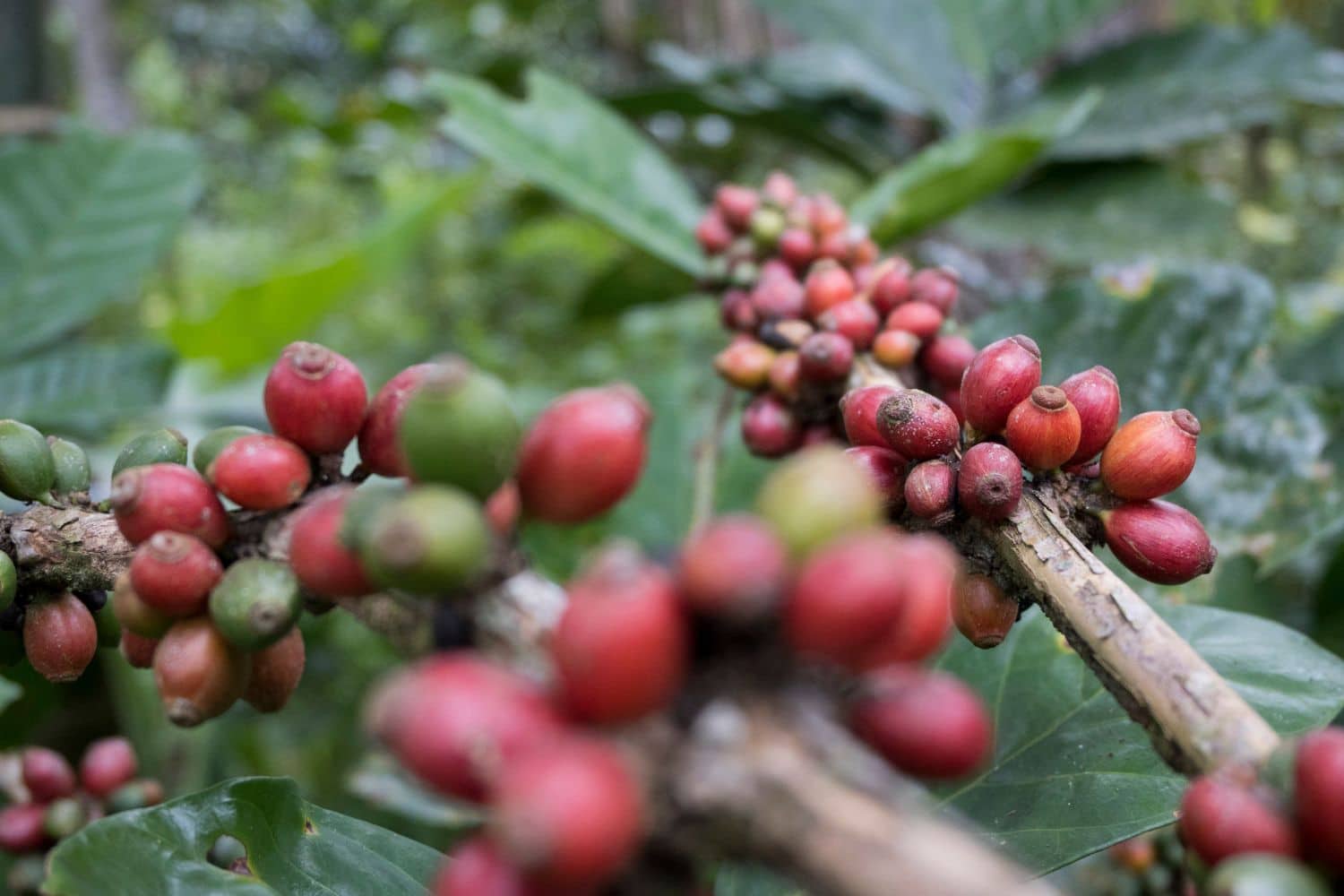
The Philippines was its most enthusiastic adopter, becoming the world’s fourth-largest coffee producer by the 1890s. Kapeng barako (in Pinoy “strong coffee”) became deeply woven into local culture.
Unfortunately, this success wasn’t to last.
In 1898, as a result of the Spanish-American War, the Philippines became a U.S. territory. Shortly after, the United States imposed trade restrictions. This made it difficult for Philippine coffee to compete in world markets.
To make things worse, American coffee traders preferred Brazilian and Colombian Arabica. These beans fit taste preferences and were cheaper to import.
At the same time, agricultural scientists developed disease-resistant Arabica coffee varieties, such as SL28 and SL34 from Scott Laboratories in what was then the British protectorate of Kenya. Others found success with Robusta cultivation at lower altitudes.
Suddenly, Liberica’s unique selling points (heat tolerance and disease resistance) weren’t so special anymore. By the mid-20th century, Coffea liberica had gone from cash crop darling to agricultural footnote.
Liberica Coffee Production Today
Despite these challenges, Liberica coffee beans never fully disappeared.
The Philippines is not only this coffee’s largest producer, but practically its only significant one. Local farmers, particularly in Batangas and Cavite provinces, are fiercely loyal to kapeng barako. They grow it for domestic consumption and some export, producing 33,000-67,000 60-kilogram bags annually.
Unlike in the Philippines, where Liberica coffee beans have cultural cachet, Malaysian production is more pragmatic. Farmers grow this coffee in Johor and Selangor provinces because the conditions suit it. You’ll find it marketed as Kopi Tongkat Ali Johor, and sometimes blended with Robusta, or sold to instant coffee markets. Annual production stands at 8,000-25,000 bags.
In Indonesia, Liberica thrives in Kalimantan, Sumatra and parts of East and Central Java. Most of it is for domestic consumption.
Liberia, the birthplace of Coffea liberica, still has some wild and semi-cultivated trees. So does Sierra Leone, Ghana, Uganda, Angola, the Seychelles and Madagascar. However, production across Africa remains minimal.
Liberica commands 1-2 percent of global market share or 1.7-3.4 million 60-kilogram bags annually. Compare that to Arabica’s 100-120 million bags or Robusta’s 50-70 million bags, and you soon realize that Liberica is barely a blip in the industry.
Is Liberica Having a Moment?
But, like Coffea stenophylla, it is making a comeback as the next big thing in rare coffees. Rather than trying to make it taste like Arabica, specialty roasters in Asia, Europe and North America are highlighting its unique flavor characteristics.
Notably, the Philippine government has launched initiatives to preserve kapeng barako cultivation as cultural heritage. As a consequence, some farmers now command premium prices for high-quality Liberica beans. This is a complete reversal from its earlier status as “a cheap Arabica alternative.”
Climate change might also work in Liberica’s favor. As rising temperatures threaten high-altitude Arabica production, researchers are looking anew at this heat-tolerant species. Coffea liberica’s resilience (the very trait that catapulted it during the rust crisis of the 1890s) might just be what the industry needs today.
What Does Liberica Coffee Taste Like?
Here’s the thing with Liberica coffee: It doesn’t taste like coffee, at least not the coffee most people know. On sipping it, your taste buds will cycle through confusion, intrigue and then either utter delight or utter dismay. Love it or hate it, nobody forgets their first cup of Coffea liberica!
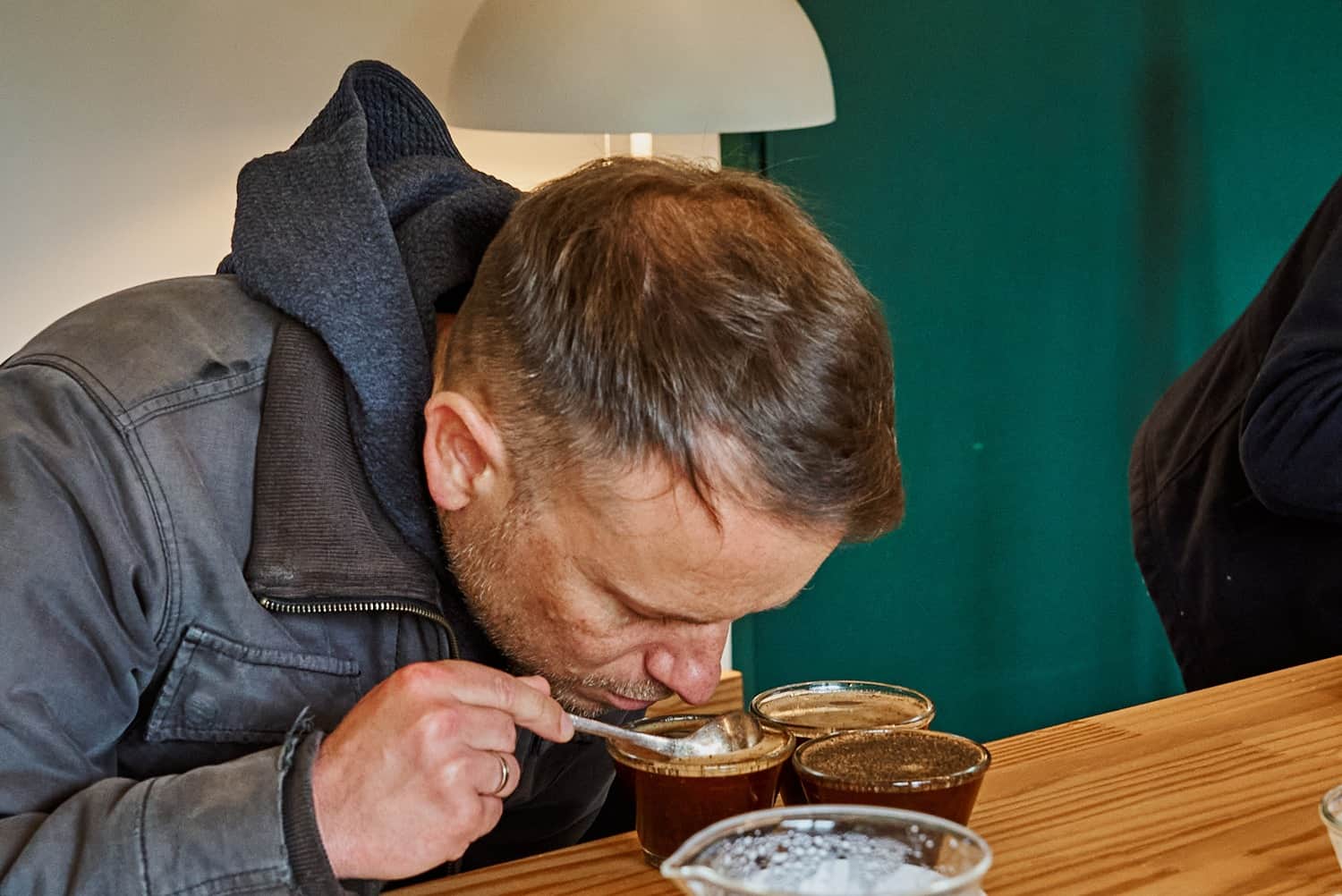
Like Yemeni Mocha or Indian Monsoon coffee, this coffee has a noticeably heavy, almost syrupy body. It’s also low in acidity, in stark contrast to Ethiopian and Kenyan Arabicas. The finish is dry and persistent with a mild bitterness, but not as harsh as Robusta’s.
The lack of bright acidity also means that this coffee’s flavors unfold more slowly. The dominant notes are woody and smoky, much like camp-fire-charred wood, sun-kissed leather or liquid tobacco.
You might also pick up intense floral notes of magnolia and gardenia or dark fruit notes of dried dates, ripe jackfruit or overripe papaya. Again, like the acidity, these fruit notes aren’t bright or fresh, but heavy, with a jammy, fermented, funky quality.
Some Liberica coffees also carry nutty (cashew, macadamia), earthy (mushroom, forest floor) or spice (clove, black pepper) notes. Perhaps most surprisingly, some also have umami/savory broth qualities, reminiscent of miso or beef stock!
How to Brew Liberica Coffee
Because of its distinctive flavor, not every brewing method will suit these wild and weird beans.
Your best French press is probably the ideal place to start; it amplifies the heavy body and woody notes in a good way. In the absence of a traditional cauldron (kawa), this is how many Filipinos prepare kapeng barako.
Pour-over works, too. It highlights the intense floral or fruit notes, while taming the heaviness. In fact, in the Philippines, the Pinoy drip method, which uses a bamboo paper filter, works remarkably well in the absence of a modern pour-over brewer.
Moka pot or espresso coffee are other possibilities, creating an intense coffee with pronounced bitterness and minimal crema.
Serve this coffee black, and sweeten with demerara or muscovado sugar. As with Vietnamese iced coffee, sweetened condensed or evaporated milk is a welcome addition.
How to Buy Liberica Coffee Beans
Understandably, Coffea liberica is not easy to come by. It requires some detective work, patience and a willingness to order online.
Look for Philippine-based specialty roasters who ship internationally like ESDA Beverages Design Studio or Yardstick Coffee.
International specialty roasters like Blue Bottle Coffee, or subscription services like Bean Box and Atlas Coffee Club, occasionally include Liberica coffee beans in their selections. Alternatively, search for American-based specialty roasters who source directly from the Philippines like California’s Kalsada Coffee.
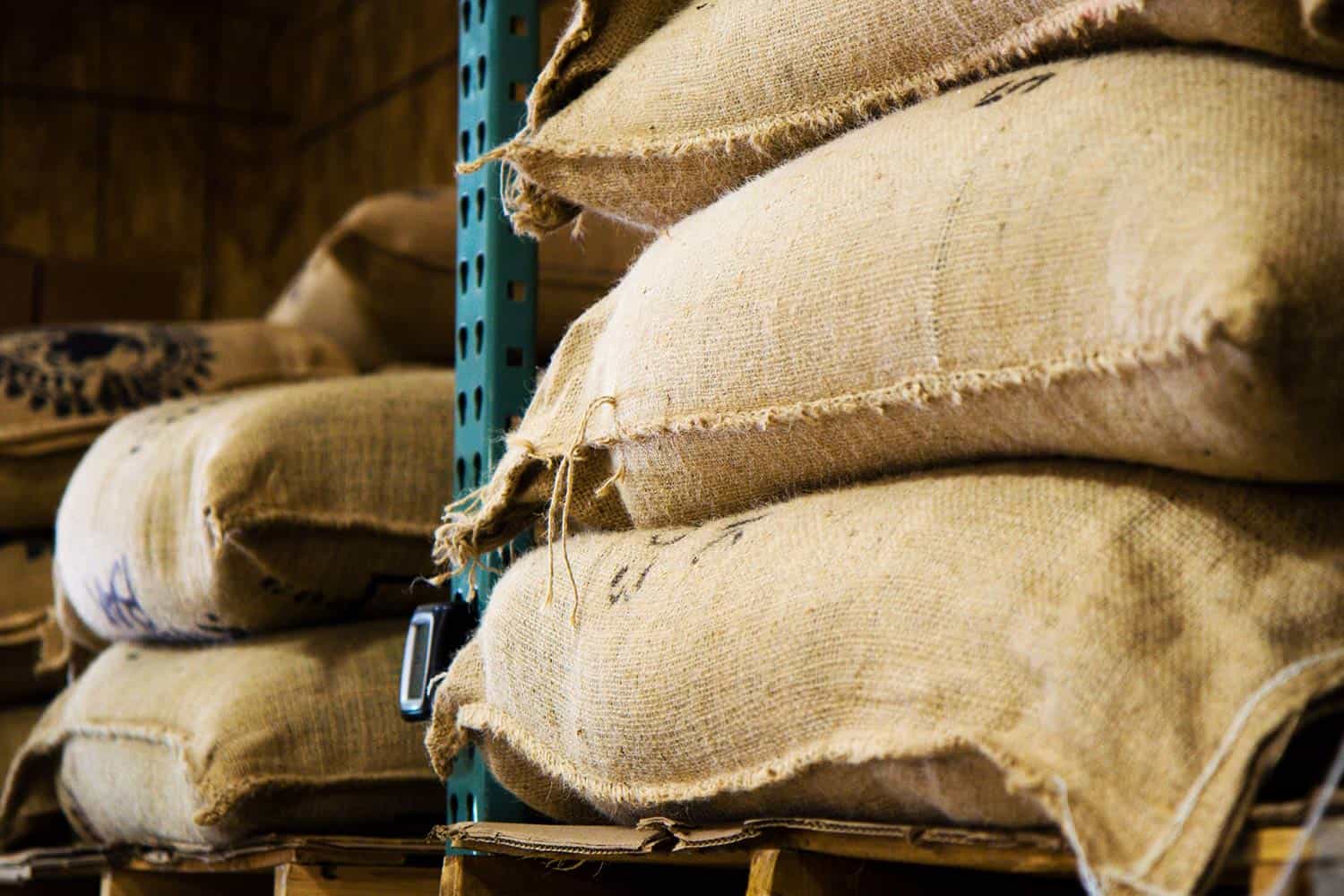
Expect to pay around $18-35 per pound for these beans. They cost significantly more than commodity coffee and are comparable to specialty single-origin coffee.
When buying these beans, look out for the following quality indicators:
Origin (farm, estate or province, rather than just country of origin)
Roast date (within 7-21 days of roasting)
Processing method (washed, natural, honey)
Roast level (most Liberica is medium-to-dark-roasted to balance intense flavors)
Final Thoughts: Is Coffea Liberica the Future of Coffee?
So, what is Liberica coffee in the grand scheme of things? To me, it’s a potent reminder that economics and timing are just as important as the quality of the coffee itself.
Liberica has gone from a wild forest tree to global coffee savior to forgotten agricultural relic and now, potential comeback kid. All in the span of 200 years!
But will Liberica ever compete with Arabica or Robusta? Probably not.
Here’s the thing, though: it doesn’t need to. The revival of Coffea liberica (particularly in the Philippines) and its slow rediscovery by connoisseurs worldwide, proves there’s room in the coffee world for the weird and wonderfully different.
Sometimes the underdog doesn’t need to win; it just needs to stick around long enough for people to realize what they’ve been missing.
What do you think of Liberica coffee? Have you had it before? If not, track down a bag of authentic Liberica from the Philippines or an online specialty roaster. It just might become your new favorite coffee!
Liberica Coffee FAQ
Liberica coffee is bold, smoky and woody with dark fruit and intense floral undertones. It represents only 2% of global production and is exceptionally heat-tolerant and disease-resistant.
Liberica hints at this coffee’s origin – the West African country of Liberia.
Yes. Its caffeine content (1.4-1.5%) sits between Arabica’s (1.2-1.5%) and Robusta’s (2.2-2.7%).
Arabica (Coffea arabica), Robusta (Coffea canephora), Liberica (Coffea liberica) and Excelsa (Coffea excelsa).