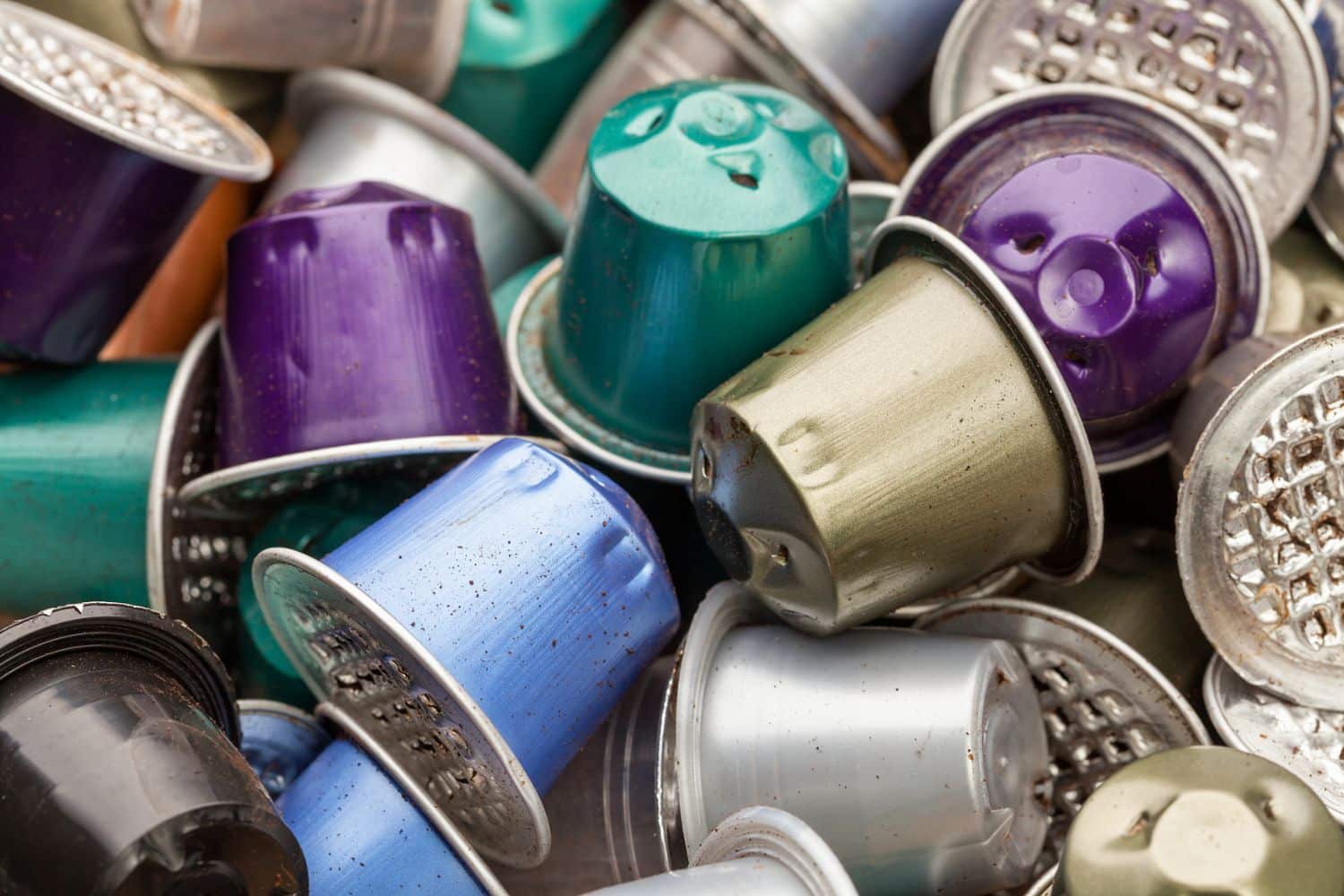



Here at Coffeeness, I’ve always said that anyone who drinks capsule coffee has lost control of their life. And while that’s meant as a somewhat lighthearted jibe, I do believe that the world would be a better place if everyone stopped using coffee capsule machines.
In today’s post I’m going to attempt to answer a question that many of us are asking: are K-Cups bad for you?
Although Nespresso was already selling coffee capsules and capsule machines, the first Keurig machine launched at the very end of the 20th century, quickly becoming a huge success. Soon, other manufacturers jumped on the bandwagon, with K-Cups and other capsules becoming popular across the globe.
It’s easy to see why – this method of making coffee is fast, convenient and easy. Still, seeing as we’re all familiar with the environmental impact associated with using capsule machines, it’s surprising that they’re still in use today.
What’s more, a growing body of evidence suggests that using plastic pods could also pose significant health risks. With that in mind, let’s take a look at whether or not K-Cups are actually bad for you.
Table of Contents
What Are K-Cups Exactly?
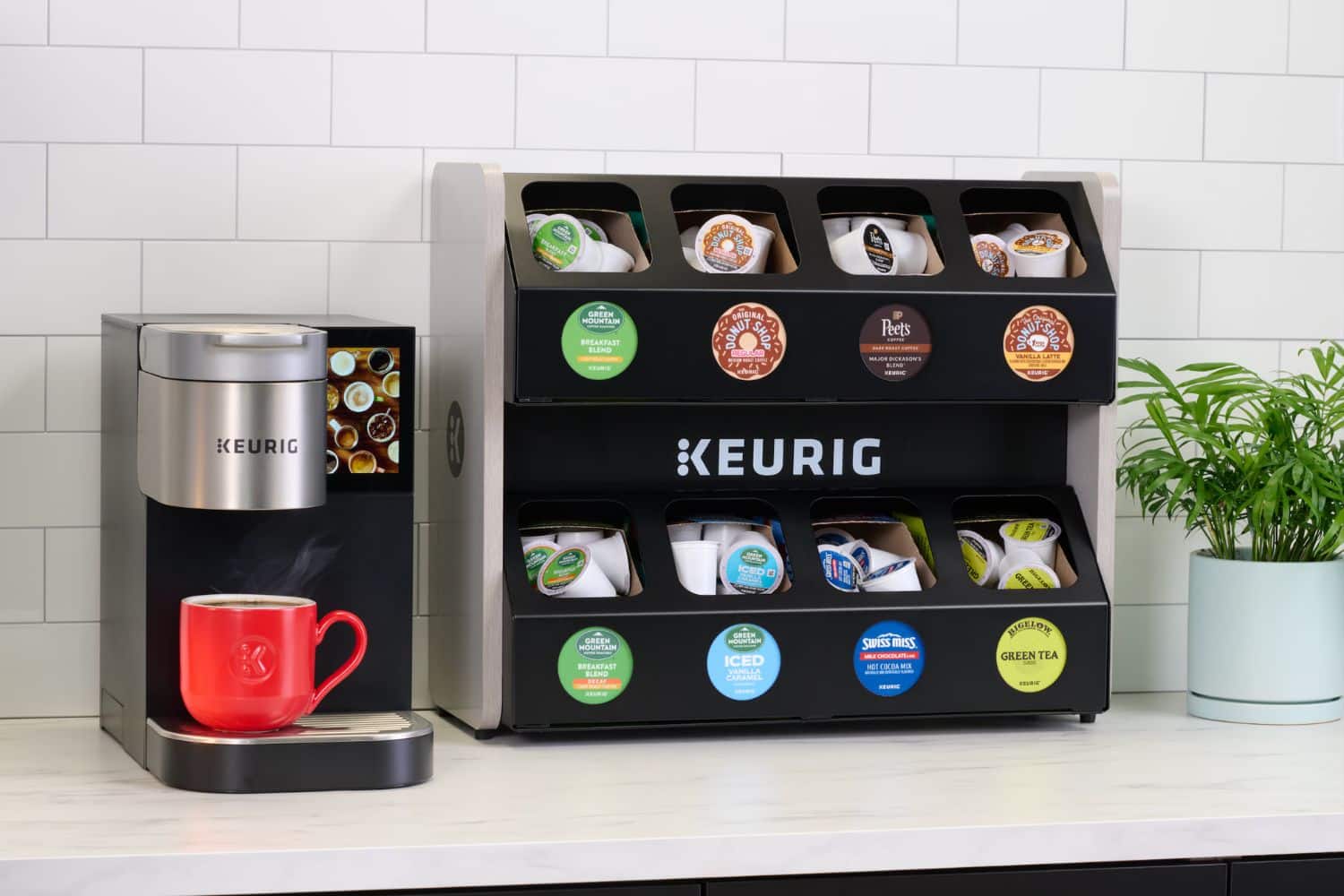
To be honest, I’d be surprised to learn that any of you weren’t at least somewhat familiar with K-Cups and Keurig machines. After all, they’re a common sight in hotels, offices and kitchen countertops.
But for clarity’s sake, I’ll give you the lowdown. Besides, it’s important to note that “K-Cup” has become a catchall term for any capsule that fits in a Keurig coffee maker. And while Keurig coffee pods are now all free from Bisphenol-A (BPA), other manufacturers might not be as selective when choosing plastic for their capsules.
Anyway, K-Cups are single-use containers with preground coffee inside. As I already mentioned, they are most often made from plastic and have aluminum foil lids. When you make coffee with a K-Kup, the machine pierces the foil lid before forcing very hot water through the ground coffee.
The brewing process usually takes around a minute or less, and once your cup of coffee is ready, you have to remove the K-Cup and throw it in the trash. Or carefully recycle the thing – I’ll talk more about that a little later.
What Are K-Cups Made From?
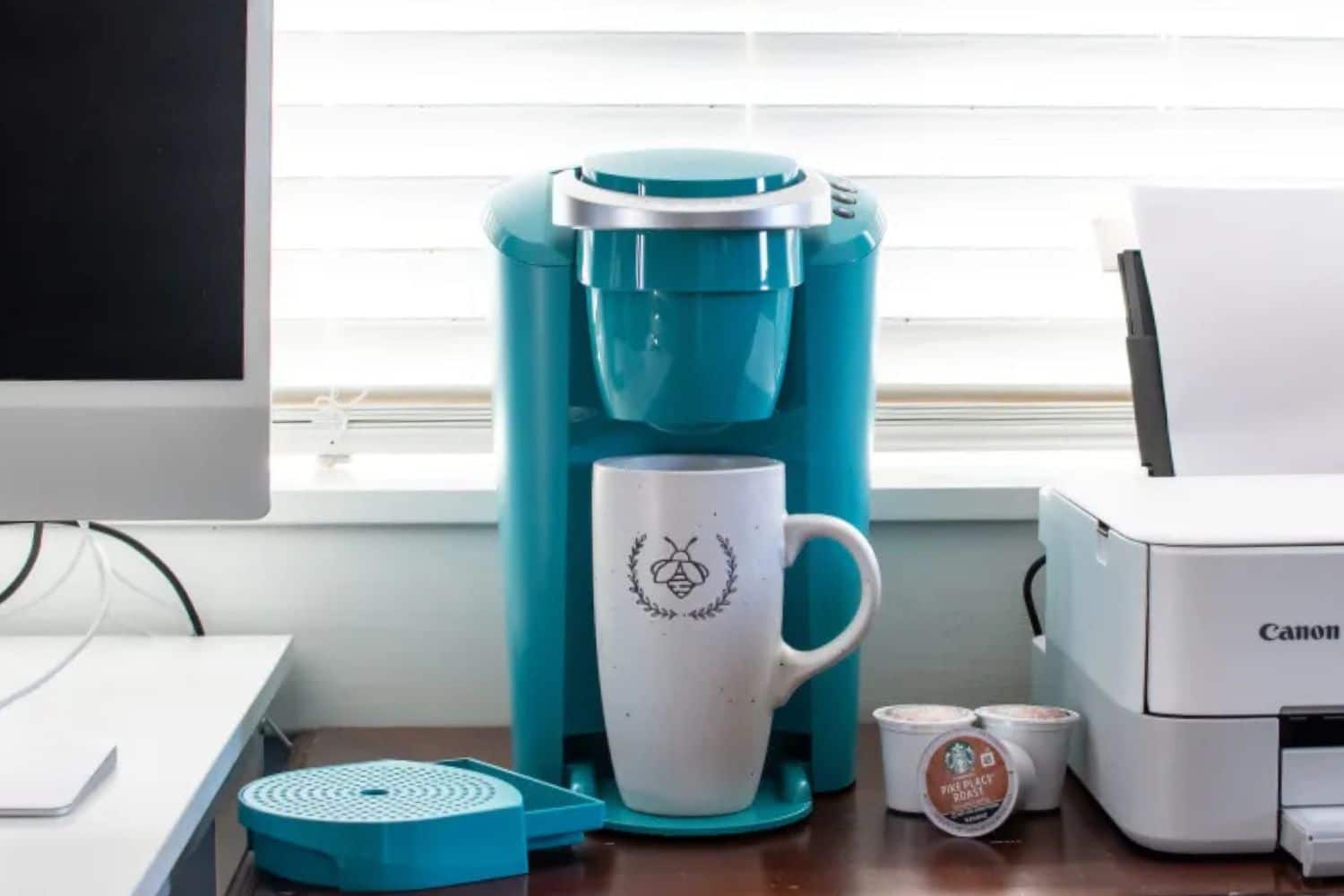
As I’ve already pointed out, capsule machines offer the ultimate in speed and convenience. You’re able to whip up a single cup of coffee without the hassle of grinding beans or measuring out scoops of coffee grounds. What’s more, there’s next to no cleanup involved, which is certainly appealing to many people.
So, there has to be a catch, right? Well, aside from environmental concerns, you have to wonder whether or not Keurig K-Cups could be bad for you. After all, most capsules are made using a plastic shell with a paper/plastic filter inside and an aluminum foil lid with colored ink on top. And considering the fact that this capsule experiences hot water and high pressure during the brewing process, could it be the case that chemicals from the plastic, ink and aluminum could leach into your coffee? More on that later.
As for the plastic used, Keurig had completely switched from using #7 plastic to #5 plastic by the end of 2020. This not only means that the capsules are now BPA-free, but also that they can potentially be recycled.
Environmental Impacts of Using K-Cups
So, are K-Cups bad for you? Well, think about it this way: if they’re bad for the environment, then they’re bad for you, right? I mean, this is the only planet we’ve got, and if it suffers, we all suffer.
As I mentioned above, K-Cups are now made from recyclable #5 plastic. However, in order to recycle one of these things, you first have to fully remove the aluminum lid and separate the plastic from the interior filter. Then, you have to hope that your local facility will accept #5 plastic for recycling. And even if it does, the fact remains that only a small percentage of plastic waste is ever recycled each year. Most of it ends up languishing in a landfill.
The billions of coffee capsules that end up in landfills around the world on an annual basis aren’t biodegradable. In fact, it takes hundreds of years for them to break down, and in the process they release chemicals and microplastics that can be extremely damaging to the environment.
Finally, I should point out that K-Cups and other coffee capsules come with a huge carbon footprint, which hastens climate change. Just ponder the amount of energy required to manufacture, transport and then dispose of these things. Seriously, it’s frightening how unsustainable that is.
Potential Health Impacts of Using K-Cups
Listen, I’m no doctor, nor am I a scientist. And I think it’s important to note that no long-term human studies linking K-Cups with any specific illness have been carried out. Still, more and more people are beginning to express concern about the potential health impacts associated with drinking capsule coffee. And a growing number of small-scale studies seems to point to the fact that K-Cups could be delivering more than just coffee into your cup.
Microplastics
As we’ve seen, Keurig now produces capsules made from #5 plastic, which is also known as polypropylene. And while polypropylene is BPA-free and meets current food safety standards, it’s known to release microplastics.
These tiny plastic fragments have been in the news a lot recently. And for good reason – they’re a source of endocrine-disrupting chemicals (EDCs) that can wreak havoc on the body’s hormone balance. EDCs are also associated with a host of other health issues, including cancer, thyroid problems and diabetes.
Polypropylene is more likely to release microplastics when exposed to boiling water. Still, the combination of pressure and 192-degree Fahrenheit (89-degree Celsius) water that K-Cups experience during the brewing process causes microplastics to enter your cup, as a 2025 British study demonstrated.
Aluminum Lid
If you’re one of those folks who worries about their aluminum moka pot causing brain damage, consider the fact that most plastic K-Cups have an aluminum foil lid. And when the lid is pierced to brew coffee, there’s a good chance that you’ll be drinking a little aluminum with your coffee.
Now, as far as I know, there’s no definitive research linking aluminum exposure to brain damage or anything else. Still, a 2023 Austrian study concluded that there’s a link between aluminum exposure and decreased cognitive function in adults.
Incidentally, you may also want to consider the fact that the ink used to print on top of the aluminum lid may be bad for your health. Bisephenols are often used in commercial ink manufacture, and these chemicals have been linked to a variety of health concerns, including cancer and reproductive disorders.
Keurig Sickness
To be honest, I hadn’t heard of Keurig sickness until recently. And to be honest, I’m taking the whole thing with a grain of salt.
Apparently, Keurig sickness is what happens when you don’t clean your K-Cup machine. Mold and bacteria grow inside the machine’s nooks and crannies, making their way into your coffee and causing a bunch of unpleasant symptoms.
Here’s the thing, though: this can happen with even the best coffee maker on the market. That’s why I’m always harping on about keeping things nice and clean. In my opinion, the whole “Keurig sickness” thing is a little unfair and undermines legitimate health concerns about K-Cups and other coffee capsules.
Are There Healthier Alternatives to Using K-Cups?
As you already know, I never drink capsule coffee. However, I do understand why it’s become so popular. That said, if I were legitimately concerned about my coffee containing harmful chemicals and microplastics I’d find a safer brew method quick sharp! Fortunately, if you’re a dedicated coffee capsule user, there are friendlier and safer options available.
Reusable Coffee Pods
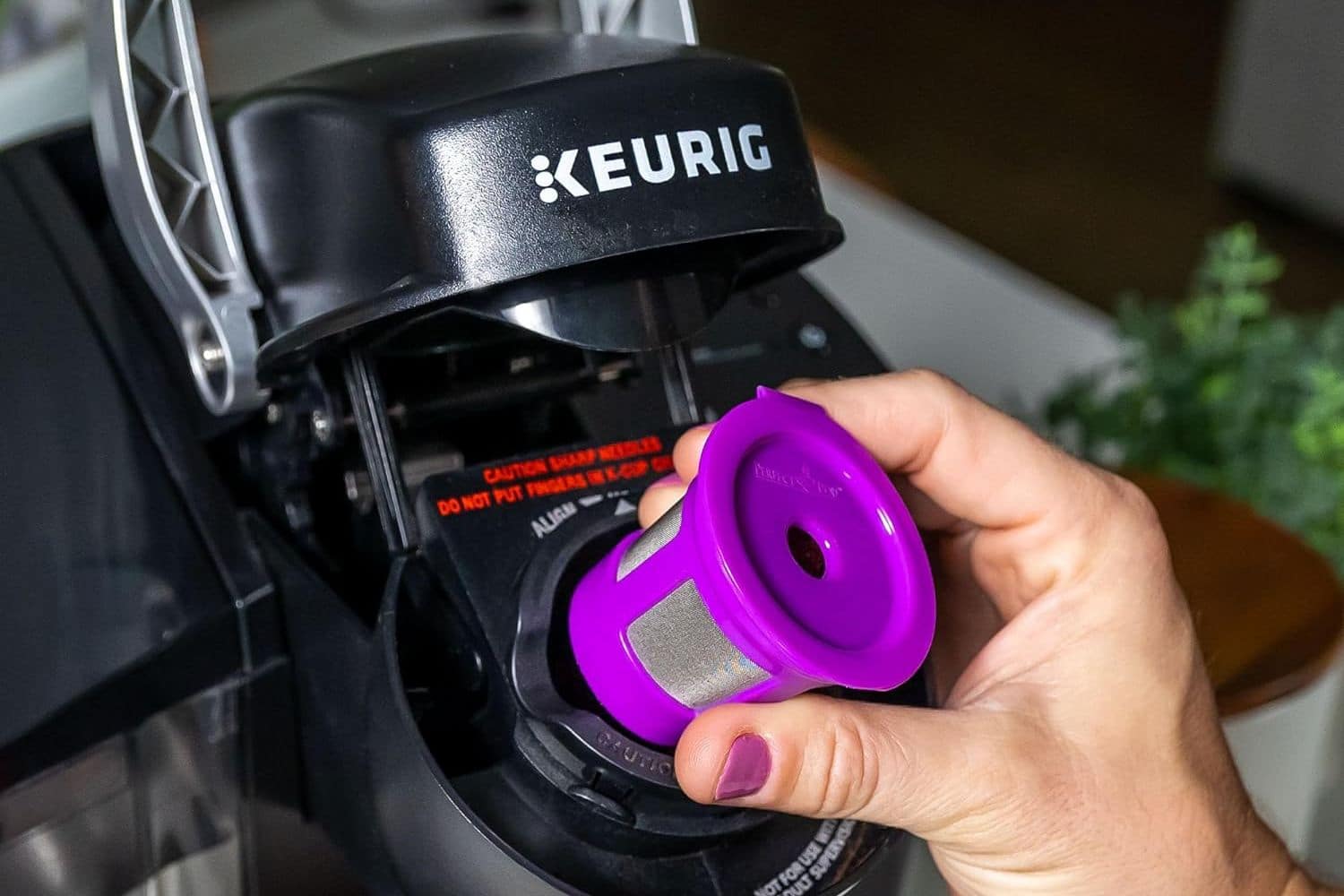
There are loads of great options when it comes to reusable coffee pods. In fact, I even wrote a guide to the best reusable K-Cups a while back. Most of these are made from BPA-free plastic, although there are stainless steel options out there. Besides, as we’ve seen, BPA-free doesn’t necessarily mean safer.
Of course, you’ll have to fill reusable pods yourself, which isn’t quite as convenient as simply buying a K-Cup. Then again, you’ll be doing the planet a favor by cutting down on landfill waste, so you can feel good about that!
Biodegradable Coffee Pods
More and more companies are producing biodegradable or compostable coffee pods these days. Made from plant-based plastic or paper, these capsules will break down more easily in landfills. And if you live in a place with an industrial composting service, the compostable pods can go there. Don’t throw them in your garden composter, though; that won’t work.
Other Brew Methods
Finally, it would be remiss of me not to try and lure a few capsule users back into the light. Consider switching to a more traditional coffee brewing method like French press, cold brew or pour-over.
Sure, preparing your daily cup of joe might take a little longer. And there’ll be slightly more cleanup. However, I’m convinced you’ll be blown away once you taste coffee that’s been brewed with a longer extraction time. Plus, you’ll get all the health benefits of coffee without having to worry about potential health risks.
Final Thoughts: Are K-Cups Bad for You?
It’s kind of ironic that during a time when we’re discovering new ways that coffee is good for your health and wellbeing, many of us consume it from capsules that are bad for the environment and could be damaging to our health.
Are K-Cups bad for you? I’d say very much so. Sure, there aren’t any large-scale human studies yet, but smaller studies have raised some seriously red flags. Besides, the environmental impact of K-Cups is bad enough for me. If we don’t put the brakes on soon, we’ll all find out how bad climate change is for our health.
I hope you found my article on K-Cups interesting. What’s your take? Go ahead and express yourself in the comments section!
FAQs
K-Cups do release microplastics. When hot water under pressure is forced through polypropylene, the heat and friction cause it to shed tiny plastic particles into the coffee.
The healthiest coffee pods to use are compostable or biodegradable options made from paper and without chemical ink.
For most people, it’s considered safe to drink Keurig coffee every day. Still, there are concerns that the pods could leach harmful chemicals and microplastics.
Sources
- Synthetic microplastics in hot and cold beverages from the UK market: Comprehensive assessment of human exposure via total beverage intake — Science of the Total Environment
- Aluminum exposure and cognitive performance: A meta-analysis — Science of the Total Environment