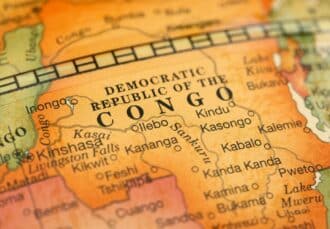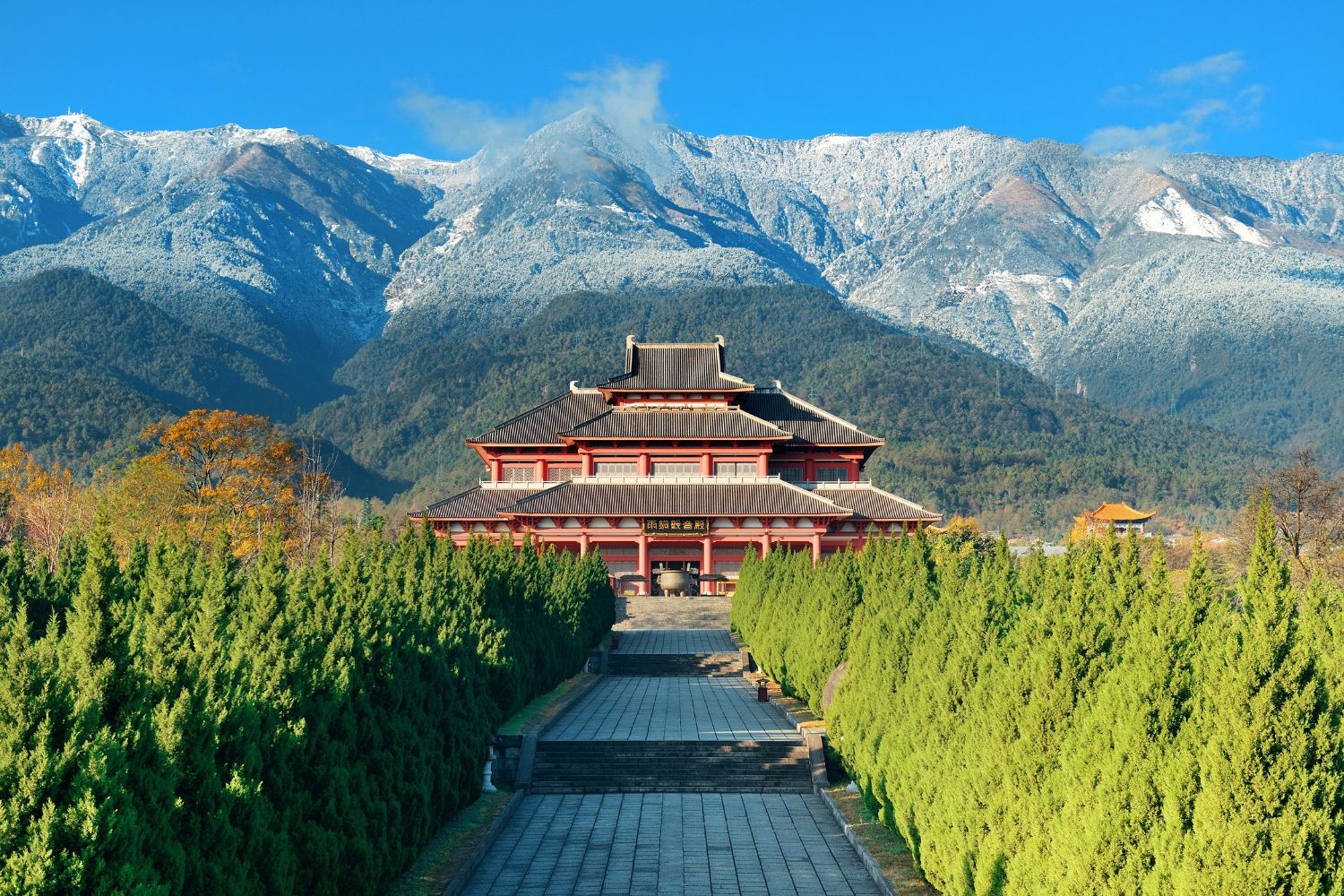




“Coffee in China” isn’t a phrase you’d expect connoisseurs to even consider, let alone rave about. However, the Middle Kingdom is cultivating some of the most exciting beans on the planet right now.
This is the story of how a country, steeped in a 5,000-year-old tea tradition, is now brewing a strong coffee identity. I’ll take you to the misty mountains of Arabica-loving Yunnan. Then, to the third-wave-coffee cities of Shanghai, Guangzhou and Chengdu.
China isn’t just joining the global coffee conversation; it’s literally, rewriting the script! So, let’s go!
Table of Contents
Coffee in China: A Brief History
Unlike coffee in Japan, a story that began much earlier, the Chinese first encountered the mighty bean toward the end of the Qing Dynasty.
French missionaries planted the first trees in Yunnan Province around 1892. These early plantations were modest, experimental affairs, more botanical curiosity than commercial exercise.
However, the timing was inauspicious. China was reeling from internal rebellions and foreign encroachment culminating in the Opium Wars. What’s more, coffee, then associated with Western imperialism, held little appeal.
By the early 1900s, coffee had taken root in Yunnan and Hainan provinces, but production remained negligible. The contrast with the success of neighboring Vietnamese and Indonesian coffee was huge.
To further complicate things, the establishment of the People’s Republic and subsequent Mao era in 1949, stalled coffee’s development. Even the small-scale plantations that existed in Yunnan and Hainan struggled.
Things changed for the better when Deng Xiaoping launched his “Reform and Opening Up” policy in 1978, giving Chinese coffee a second chance.
Nestlé, one of the biggest coffee companies in the world, saw an opening, introducing instant coffee in the 1980s. Their strategy was brilliant: they didn’t try to convert tea drinkers overnight. Instead, they marketed instant coffee as a modern, convenient beverage. In particular, their three-in-one sachets (coffee, creamer and sugar) made coffee more approachable.
Simultaneously, Yunnan’s coffee cultivation received a much-needed boost. In 1988, the United Nations Development Programme and the World Bank partnered with the Chinese government to rejuvenate the industry. By introducing modern coffee varieties, they improved farming and processing techniques, laying the foundations for modern Chinese coffee.
Coffee Consumption in China
Before World War II, coffee consumption in China was essentially nil outside of diplomatic circles. Each time a coffee lover knocked, the Chinese politely redirected them to the tea room.
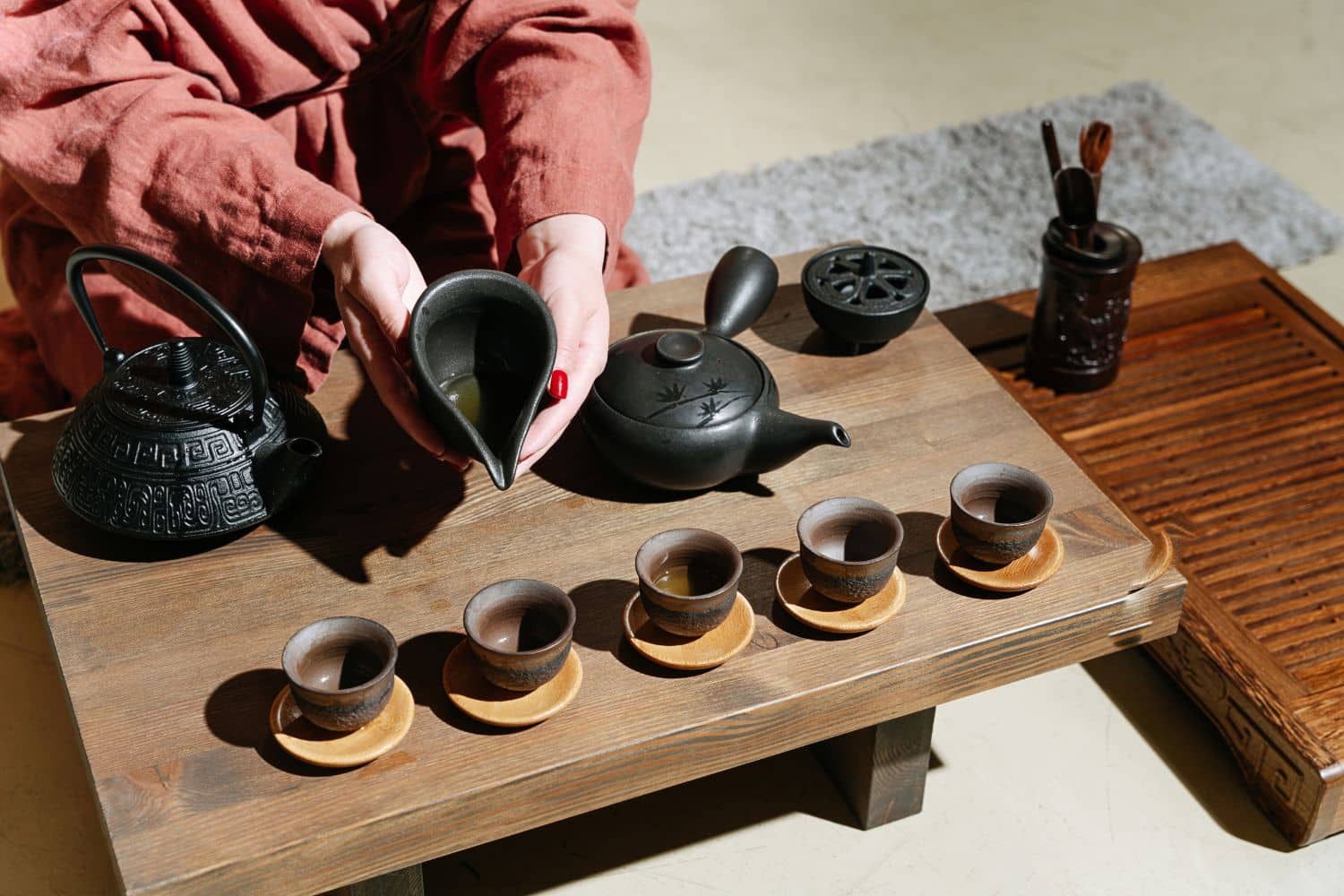
After the war, Mao’s communist government further discouraged Western cultural influences. Coffee, a western beverage, became ideologically suspect, and for much of the 20th century, ignored. Only in Yunnan and Hainan did a butter-roasted coffee tradition survive.
In the 1990s, things took a turn for the better. International coffee chains began tentative forays into major Chinese cities. Taiwan-based chains entered first, followed by international players. Yet coffee consumption remained negligible.
Fast forward to 1999 and in comes Starbucks. It didn’t just sell coffee but offered a totally new experience. Importantly, Starbucks did something crucial – it localized intelligently. The chain offered green tea frappuccinos and red bean scones alongside lattes and cappuccinos.
The 2010s brought stiff competition for Starbucks coffee in China with the launch of local chains like Luckin Coffee. Chinese coffee attitudes during this era were fascinating. You drank tea at home with your parents; you drank coffee in public to signal wealth and success.
Today, the numbers tell you all: China’s per capita coffee consumption has grown tremendously. From pretty much zero in 2000, the Chinese now drink approximately 9-12 cups per year. That’s still far below the United States (400 cups) or Scandinavia (900+ cups), but this trajectory is impressive.
Millennials and Gen Z are behind this growth. They now view coffee as normal, even essential. Middle-aged and older Chinese remain predominantly tea drinkers, though they’re increasingly coffee-curious.
Coffee Culture in China
A Chinese coffee culture of sorts began in earnest in 1999 when Starbucks opened its first mainland store in Beijing’s World Trade Center. But by around 2018, coffee in China underwent a seismic change. The American coffee chain faced stiff competition from international rivals like Costa Coffee, and local chains like SPR Coffee and Luckin Coffee.
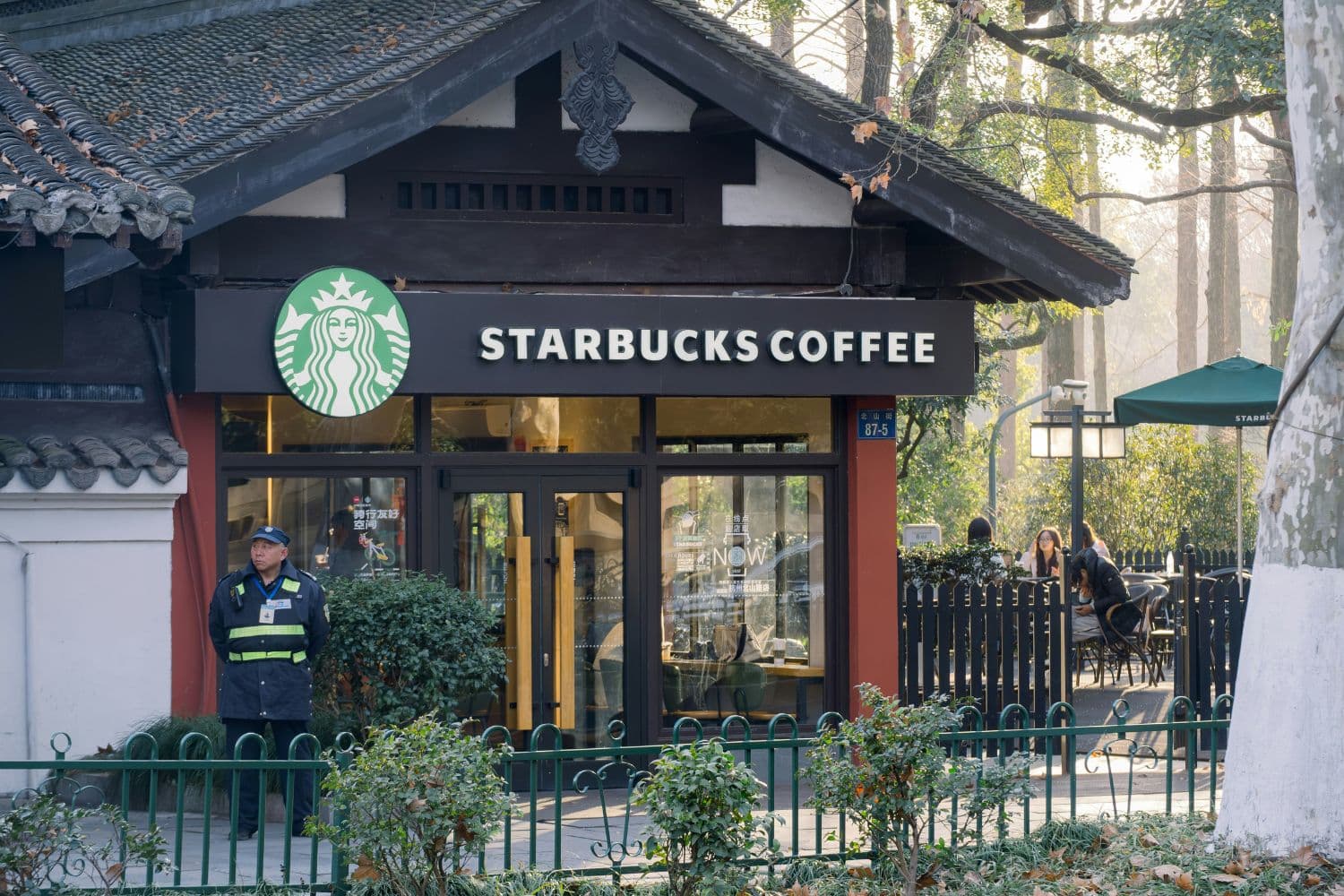
Photo by Kounotori on Unsplash
Countless third-wave coffee joints also sprang up. These emphasized single-origin beans and precise brewing methods. They took over major cities like Beijing, Shanghai and Guangzhou, and second tier cities like Chengdu and Ningbo.
Chinese consumers began to appreciate terroir, processing methods and roast profiles. With this, came the boutique roasters. These brands, including Seesaw Coffee, Cafe del Volcano and Voyage Coffee, prioritized specialty coffee craft.
Technology also disrupted the Chinese coffee scene. Luckin Coffee’s rise (despite its accounting scandal and restructuring) fed the massive appetite for convenient, affordable, app-driven coffee. The company’s model (order on your phone, pick up in minutes) has resonated with mobile-savvy Chinese consumers.
Paradoxically, COVID-19 accelerated Chinese coffee culture. The ensuing work-from-home culture popularized the sales of coffee machines, pour-over equipment and beans for home brewing.
As a result, new retail formats exploded. Coffee trucks and grab-and-go concepts diversified coffee in China beyond traditional sit-down cafes. Brands like Manner Coffee in Shanghai (famous for its tiny storefronts and reasonably-priced espresso) took this as their cue to shine.
Social media has also driven Chinese coffee trends. Xiaohongshu (Little Red Book) and Douyin (China’s TikTok) have become platforms where coffee aesthetics, brewing techniques and shop recommendations have gone viral.
Today, coffee in China is a daily habit, not an occasional treat. I cannot overstate this shift. For an increasing number of urban Chinese, particularly office workers, coffee consumption has become routine, breaking the psychological coffee vs tea barrier.
The narrative has shifted from “China imports coffee” to “China produces world-class coffee.”
Coffee Cultivation in China
Chinese coffee thrives in concentrated highland pockets. Yunnan province produces roughly 98 percent, with smaller operations in Hainan and Fujian.
The star of the show is Catimor, a hardy hybrid bred for the subtropical climate and its rust resistance.
Coffee processing traditionally meant washed coffee. But increasingly, farmers are experimenting with natural and honey methods to create distinct flavor profiles.
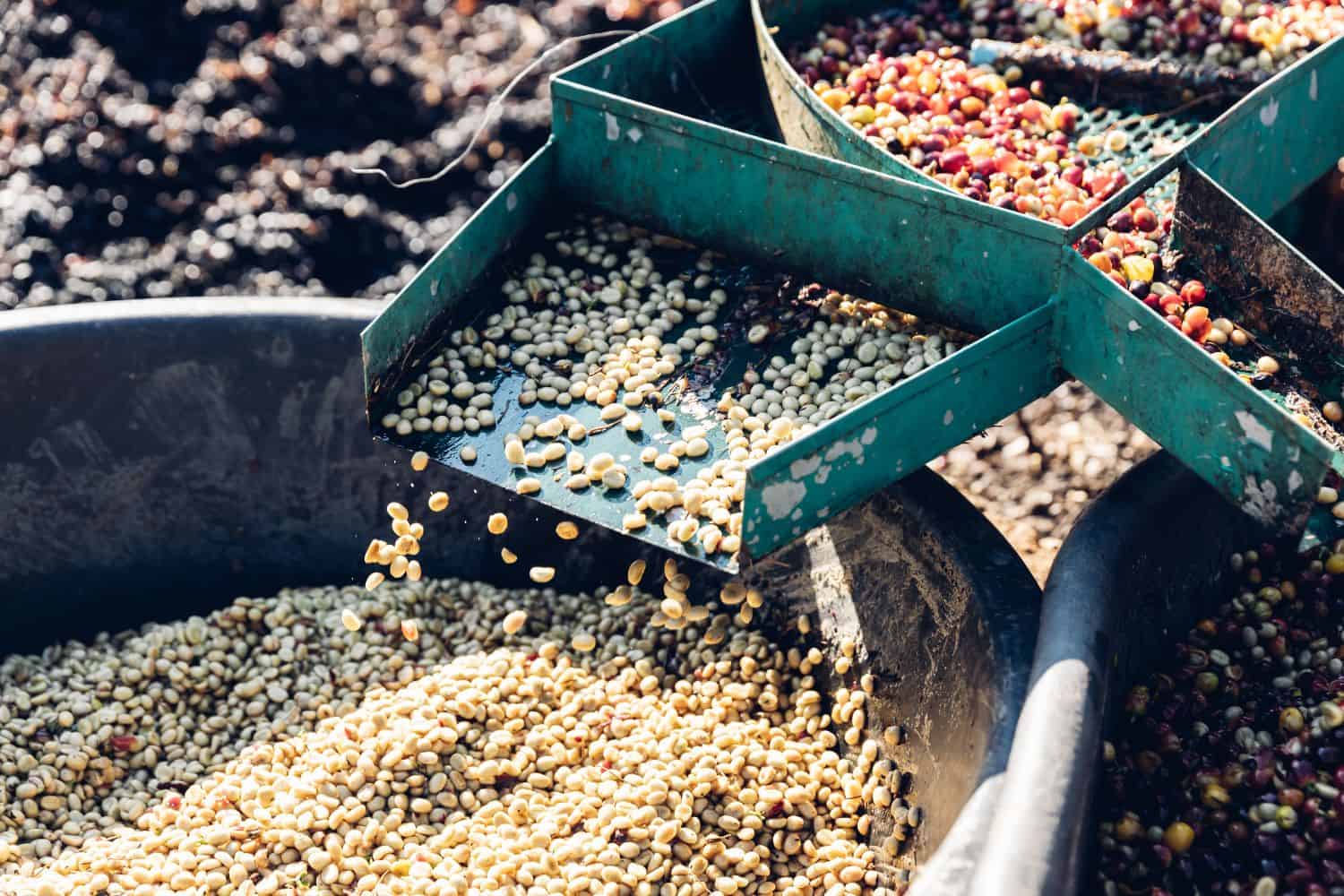
Unlike other origins, there are hardly any estates to speak of. Most beans come from smallholder farmers working 1-3 acre plots. These farmers often diversify, intercropping coffee with macadamia nuts or avocados.
The sales pipeline also varies. Some farmers sell fresh cherries to local processors for quick cash. Others invest in processing equipment to control quality and get more value. The best beans bypass domestic markets entirely, going to specialty roasters in Japan, North America and Europe. Ironically, China then re-imports these beans as premium “Yunnan single-origin” coffee.
But things are improving. Cooperatives like the Yunnan Coffee Traders and Yunnan China Cooperative provide training in quality processing. They also connect small farmers to international buyers and negotiate better prices collectively. This way, the people who grow the coffee can benefit from it directly.
Chinese Coffee Growing Regions
Primarily, coffee in China thrives in three provinces – Yunnan, Hainan and Fujian. But whispers are circulating about experimental plots in southwestern Sichuan and Guizhou provinces.
Nothing commercial has come of this yet. However, I see things changing as China’s coffee pioneers keep searching for new terroirs to exploit.
Yunnan
Yunnan dominates coffee in China so completely, that discussing Chinese coffee almost means discussing Yunnan coffee!
Its coffee belt runs through the southern and western regions, particularly Pu’er, Baoshan, Dehong and Lincang. The region’s slightly acidic red and yellow volcanic soils are ideal for coffee cultivation.
Altitudes range from 1,000-2,000 meters above sea level (masl), high enough for slow cherry maturation, but not so high that temperatures drop dangerously.
Catimor hybrids dominate Yunnan for their high yields and rust resistance. They comprise an estimated 95 percent of plantations.
Although critics argue that Catimor lacks the flavor complexity of heirloom Arabicas, its high yields are crucial for farmers. Still, some forward-thinking estates are experimenting with Typica, Bourbon and even Geisha varieties.
Hainan
China’s southernmost province and its only fully tropical region, Hainan produces perhaps 1 percent of the country’s coffee. It’s a tiny fraction, but worth noting for its sweet, robust character.
This Chinese coffee grows at modest elevations of 300-800 masl in the central highlands around Wanning and Baisha. The elevations are low by specialty coffee standards, but Hainan compensates with its unique climate. Being an island, Hainan enjoys a maritime microclimate. The moderate temperatures and abundant rainfall also provide consistent moisture.
However, there is a downside – typhoons. These can devastate entire plantations in one fell swoop. Also, high humidity creates challenging conditions for drying and processing.
While there is some Catimor, Robusta thrives here, unsurprising given the lower elevations and tropical heat. It goes into instant coffee production for domestic and export markets.
Fujian
Fujian, famous for its legendary oolong teas, has recently seen tiny experimental Catimor plantations.
Coffee thrives in the southern regions at altitudes of 400-1,000 masl. The subtropical maritime climate brings abundant rainfall, high humidity and favorable mild temperatures.
But there’s one challenge: Fujian’s climate. While excellent for tea, it’s marginal for coffee. Winters can get super-cold, and the region lacks Yunnan’s extended dry season for optimal harvesting. Typhoons also threaten these coastal areas.
What Does China Coffee Taste Like?
Not surprisingly, when cuppers describe Chinese coffee, they’re almost always talking about Yunnan coffee. After all, it’s the most well-known and exported. This Chinese coffee typically presents a medium body (not as heavy as Sumatran but fuller than Central American coffee), with a smooth, creamy mouthfeel.
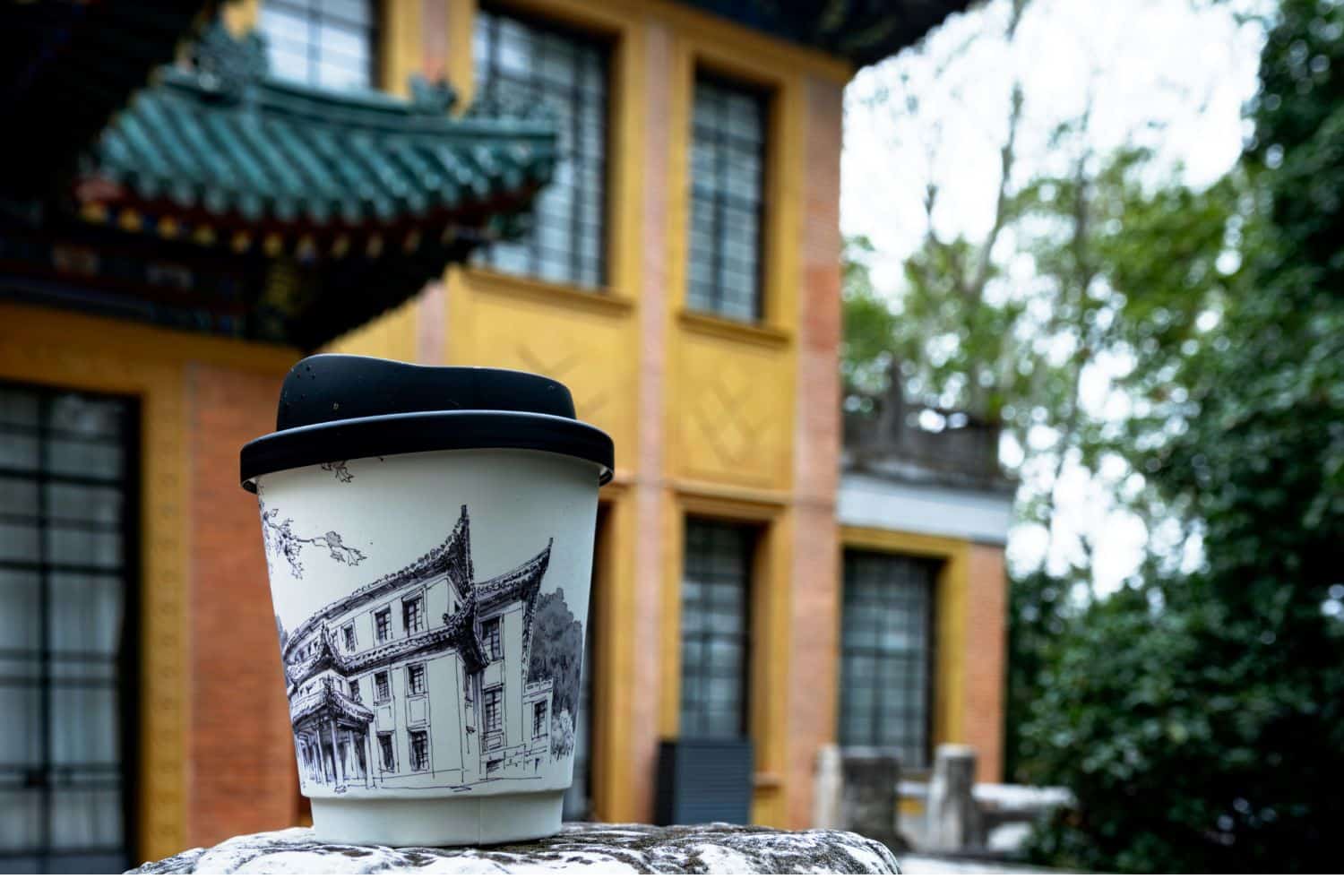
Photo by Declan Sun on Unsplash
The acidity tends toward the gentler side. Don’t expect the bright, citrusy zing of Kenyan or Ethiopian beans. As such, the finish is typically clean and straightforward.
Most beans are nutty and chocolatey, with distinct tasting notes of roasted almonds, hazelnuts, milk and chocolate. Well-processed lots, especially from Baoshan, sometimes reveal floral undertones and stone fruit notes (plum, apricot).
In contrast, Pu’er coffees show earthier, herbal characteristics and Dehong produces fuller-bodied cups with distinct chocolate notes.
Overall, Yunnan delivers approachable, balanced coffee. It’s crowd-pleasing rather than polarizing, perfect for everyday drinking.
Where Can I Buy Coffee From China?
If you’re in China, specialty coffee shops in major cities stock locally-roasted Yunnan beans. Look for boutique roasters like Torch Coffee (Shanghai), Fisher Coffee (Chengdu) or Maan Coffee (Ningbo). Likewise, online platforms like Taobao, Tmall and JD.com offer everything from estate lots to curated specialty selections. Keep an eye on roast dates if buying online.
Outside China, it’s trickier, but things are improving. Some roasters, especially those focusing on Asian coffees, now feature Yunnan single-origin coffee.
In North America, reputable online retailers like Sweet Maria’s occasionally stock Chinese green beans.
If you prefer to buy directly from source, there are a few progressive Yunnan estates like Aini Coffee Manor and Yun Xiang. These have websites with international shipping, though logistics and language barriers may prove a challenge.
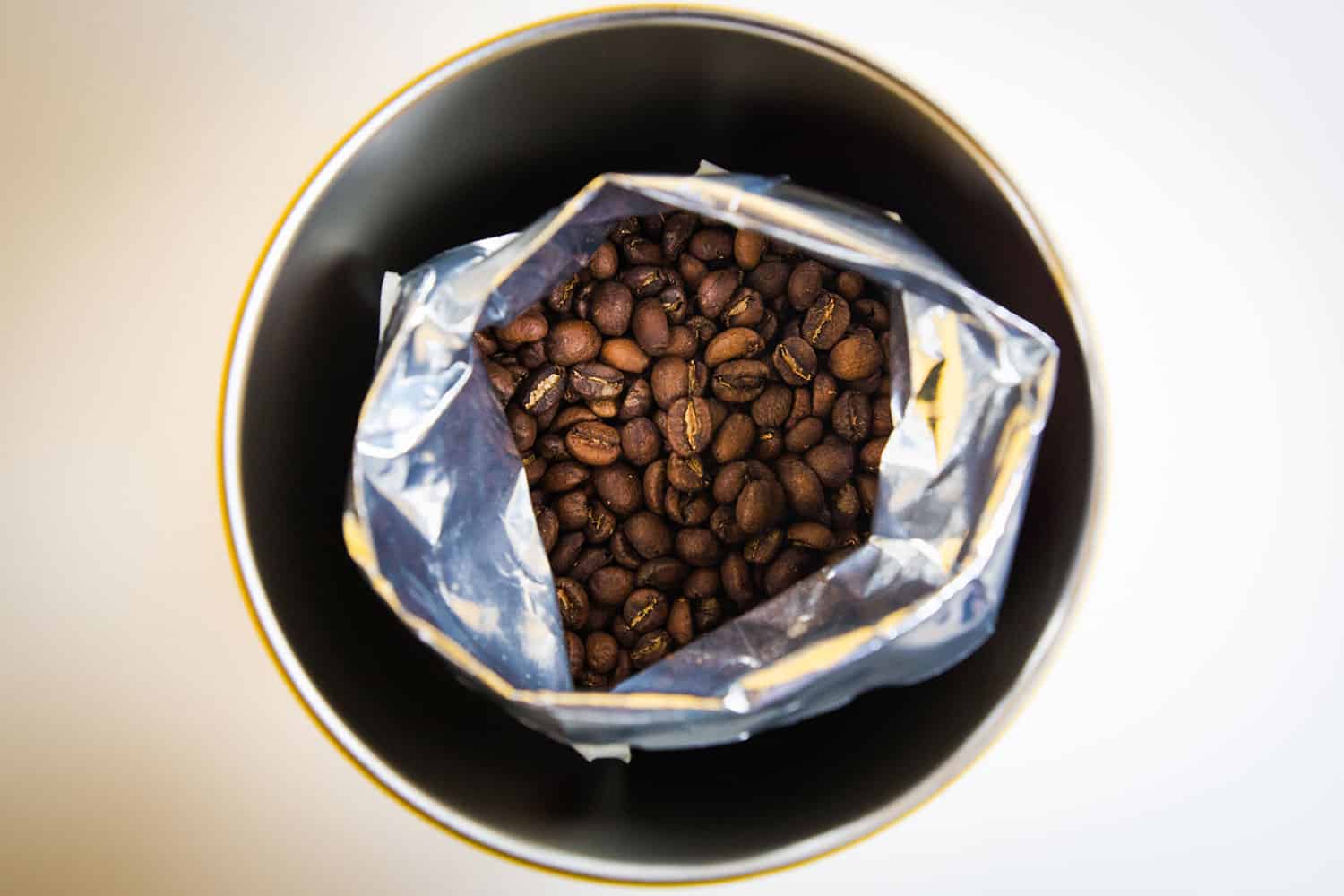
Lastly, know what to look for when sourcing for coffee in China. Look for the following on packaging labels to avoid buying fakes:
Origin: Labels with “Yunnan coffee” won’t cut it. Look for beans from individual estates or cooperatives in Baoshan, Pu’er, Dehong and Lincang.
Variety: While most will invariably be Catimor, premium producers sometimes offer Typica or Bourbon.
Altitude: Higher generally means better. Look for complex flavor beans grown above 1,000 masl.
Certifications: Organic and Fair-Trade coffee beans are emerging but still uncommon. Their absence, however, doesn’t necessarily mean poor coffee.
Price: Expect to pay $15-25 per pound for quality Yunnan beans.
Cupping scores: Only go for specialty lots scoring 80+ points on the 100-point SCA scale.
Roaster reputation: Until you develop your own favorites, trust roasters with established reputations.
Final Thoughts: What’s In Store for Chinese Coffee?
The trajectory of coffee in China is undeniable. Yunnan’s farmers are now producing quality beans, nailing processing and getting better connected to global markets. Because of this, I see tremendous growth afoot. Within the next decade, Chinese coffee should transition from an “interesting curiosity” to an “essential origin.”
Better yet, we should see these coffees placed in Cup of Excellence competitions, commanding prices that rival established origins. They should develop the kind of devoted following that Kenyan, Ethiopian and Colombian coffees enjoy. The question isn’t if but when.
China didn’t need coffee. For five millennia, tea satisfied it perfectly. But what I love about this origin is that it didn’t abandon its tea heritage to embrace coffee.
Instead, it expanded its liquid horizons, proving that a civilization thousands of years old can still develop new tastes. That’s a story worth celebrating, one cup at a time!
Have you tried Chinese coffee yet? If not, your mission, should you choose to accept it, is to try one within the next month. Then, please come back and tell me what you discovered; I’d love to hear all about it!
FAQs
Yes, increasingly so, especially among young, urban dwellers. While the per capita consumption of 9-12 cups annually remains far below Western levels, China is still one of the world’s fastest-growing coffee markets.
Coffee from Yunnan province is sought-after for its sweet, delicate and balanced profile, creamy mouthfeel and delicious chocolate, nutty and mild fruit notes.
There’s no single answer to this question; it depends entirely on your preferences.
Colombia delivers consistent, balanced classics and Brazil, chocolatey, low-acid beans. Ethiopian beans boast of an unparalleled complexity and floral intensity and Kenyan beans, bright acidity. Each origin has its strengths; the “best” is whichever matches your palate.