


Chances are, if you’ve heard of terroir, it will have been in reference to wine production. However, it’s now becoming more and more commonly used in specialty coffee circles. So, what is coffee terroir and is it even a thing at all?
In this guide to coffee terroir I’ll take you on a deep dive into this fascinating subject. I’ll discuss the ways that terroir can be used to understand coffee production and why it’s an important concept to understand. Trust me, once you know all about coffee terroir, you’ll develop an even deeper love for the specialty coffee in your morning cup!
Table of Contents
What Is Terroir?
While you’ll find terroir in an English dictionary, it’s actually a French loanword. Literally translated, it means “the taste of the earth,” although in practice, decoding the meaning of terroir is a whole lot more complicated.
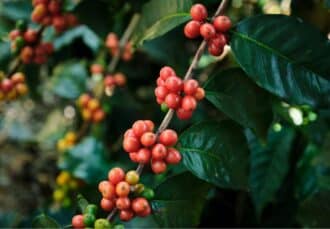
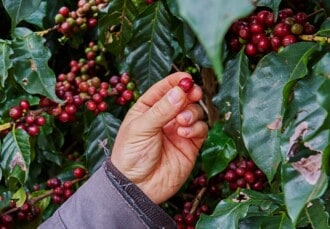
As it happens, coffee terroir encompasses a wide variety of environmental factors and the effects they have on coffee plants. These factors include temperature, rainfall, elevation and the amount of sunlight the plants receive. And of course, the composition of the soil that the coffee trees grow in is a large part of the equation.
Put simply, coffee terroir refers to everything that happens where coffee is grown, even extending to the surrounding flora and fauna and even local farming practices.
With all that in mind, it’s safe to say that each region or micro-region where coffee grows has its own specific terroir. It’s why a specific variety of coffee grown in a specific region in Colombia will taste vastly different to the same variety grown in a seemingly similar environment in Panama. Heck, it’s often even the case that the same coffee tastes different when grown on two sides of the same mountain.
Finally, I should point out that coffee terroir can change from year to year, depending on weather conditions and other factors.
Why Is Coffee Terroir Important?
As we’ve already seen, terroir has a huge effect on how coffee grows and how it’ll taste. It’s a big part of the reason why an Ethiopian coffee will taste completely different to an Indonesian coffee. This is because coffee terroir plays an important role in bringing out the inherent characteristics of any given coffee variety.
A good example is Geisha, which is one of the most prized coffee varieties in the world. This superstar bean burst onto the coffee scene in 2004 when a special Hacienda La Esmeralda lot won the Best of Panama competition. Since then, producers in other countries have started successfully cultivating Geisha coffee. And while there are some beautiful Colombian and Costa Rican Geishas out there, none have the unique flavor profile of the La Esmeralda Geisha.
I should point out that properly understanding terroir is also vital for farmers as they’re deciding on which coffee varieties to plant. For these farmers, a deep knowledge of the terroir will allow them to select plants based on pest resistance potential yield and much more. Furthermore, producers in the know will make decisions about harvesting and processing methods based on terroir.
Finally, we shouldn’t forget that terroir is an important consideration for coffee roasters, too. Skilled roasters have to develop a special roast profile for each coffee, and take terroir into account when doing so.
The Perfect Coffee Terroir: Does It Exist?
Some coffee drinkers like to wax poetic about the perfect coffee terroir, but it’s all subjective. In reality, it’s more a case of some parts of the world being better suited to growing coffee than others. And when it comes to specialty-grade coffee, this is even more pronounced.
As we’ve already seen, some varieties shine when grown in a specific terroir. But in general, it’s accepted that high-quality coffee thrives within the “Bean Belt,” at high elevations and in rich, volcanic soil. This is why countries like Kenya and El Salvador are considered to be among the best for producing specialty coffee. And by the same token, a coffee country like Vietnam is only considered to be worthy of producing mass-market garbage.
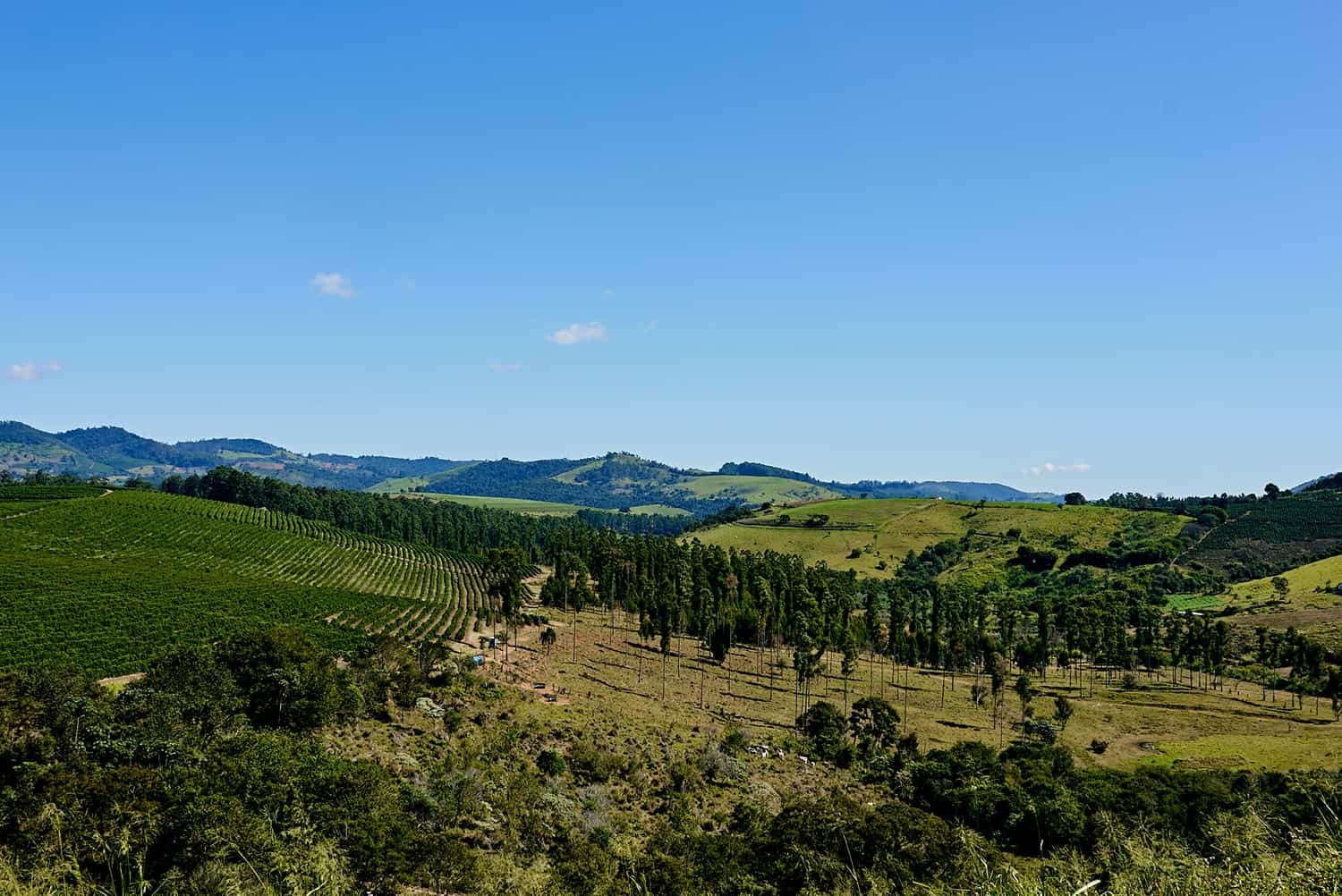
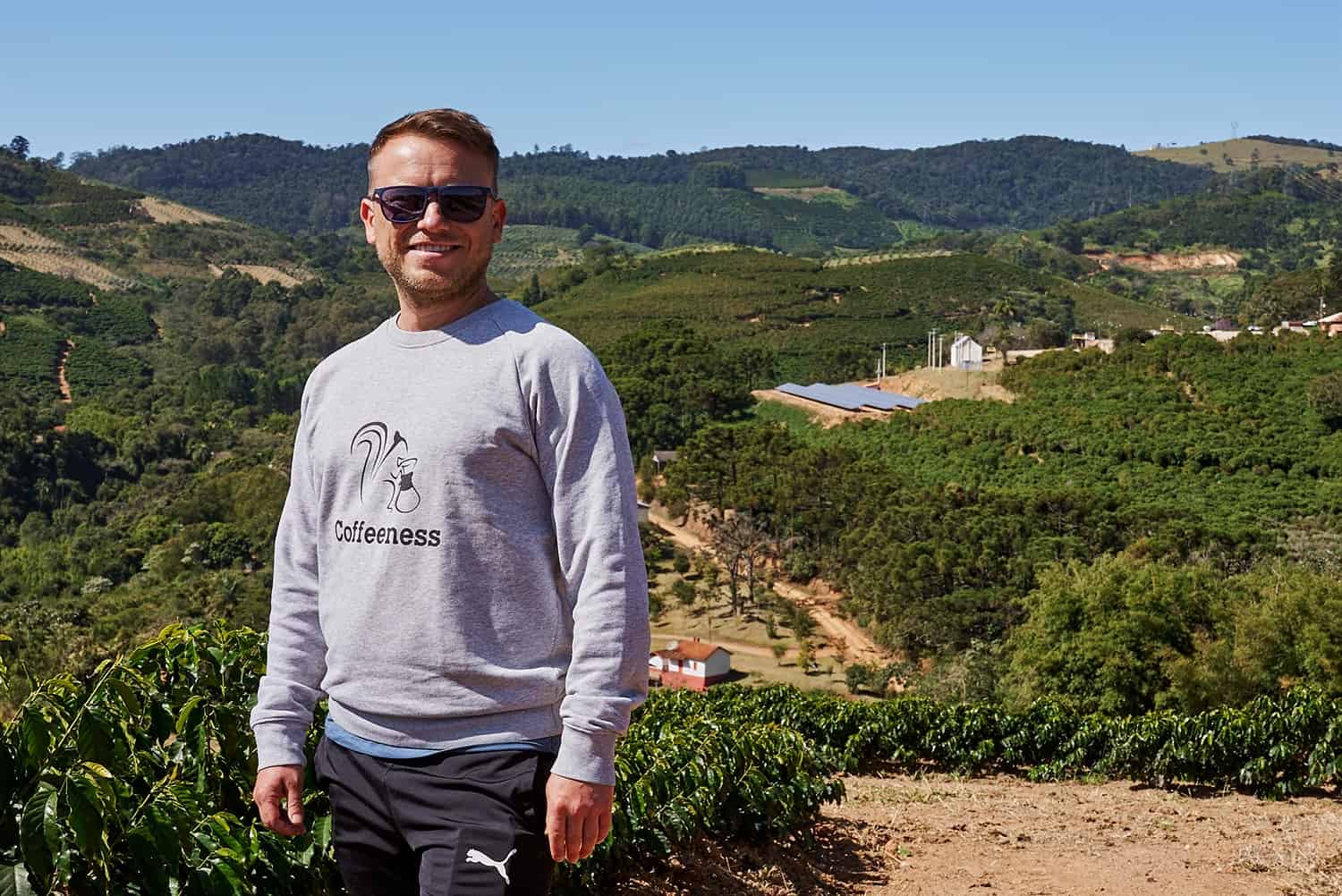
However, it’s easy to undermine the idea of perfect coffee terroir when we consider a country like Brazil. Here, coffee is grown at drastically lower elevations and the climate isn’t considered ideal for coffee production. But producers have developed special coffee processing methods and there’s a real emphasis on farmer education. What’s more, many Brazilian producers have developed a true passion for growing exceptional coffee beans, and the country is now known for its high-quality specialty coffee.
The resulting honey-processed beans frequently score highly in the Cup of Excellence competition, demonstrating that the perfect terroir can’t be set in stone.
What Makes Good Coffee Terroir?
Thus far, we’ve seen that coffee terroir is an undeniably important factor in predicting how well coffee will grow in a specific place and how good it might taste in the cup. Let’s dive a little deeper by taking a look at the combination of factors that determine terroir.
Soil
As with any plant, the soil in which coffee is grown has a huge impact on how well it’ll develop. Ideally, coffee is grown in rich soil with a plethora of minerals and nutrients, all of which help coffee cherries develop complexity, sweetness and acidity. What’s more, healthy soil with deep drainage is a real bonus.
Not only will this type of soil drain steadily and evenly, it’ll hold onto water during the dry season. And as you can imagine, this is vital for fruit development seeing as the plants can keep benefitting from the soil’s nutrients and minerals throughout the year.
Climate
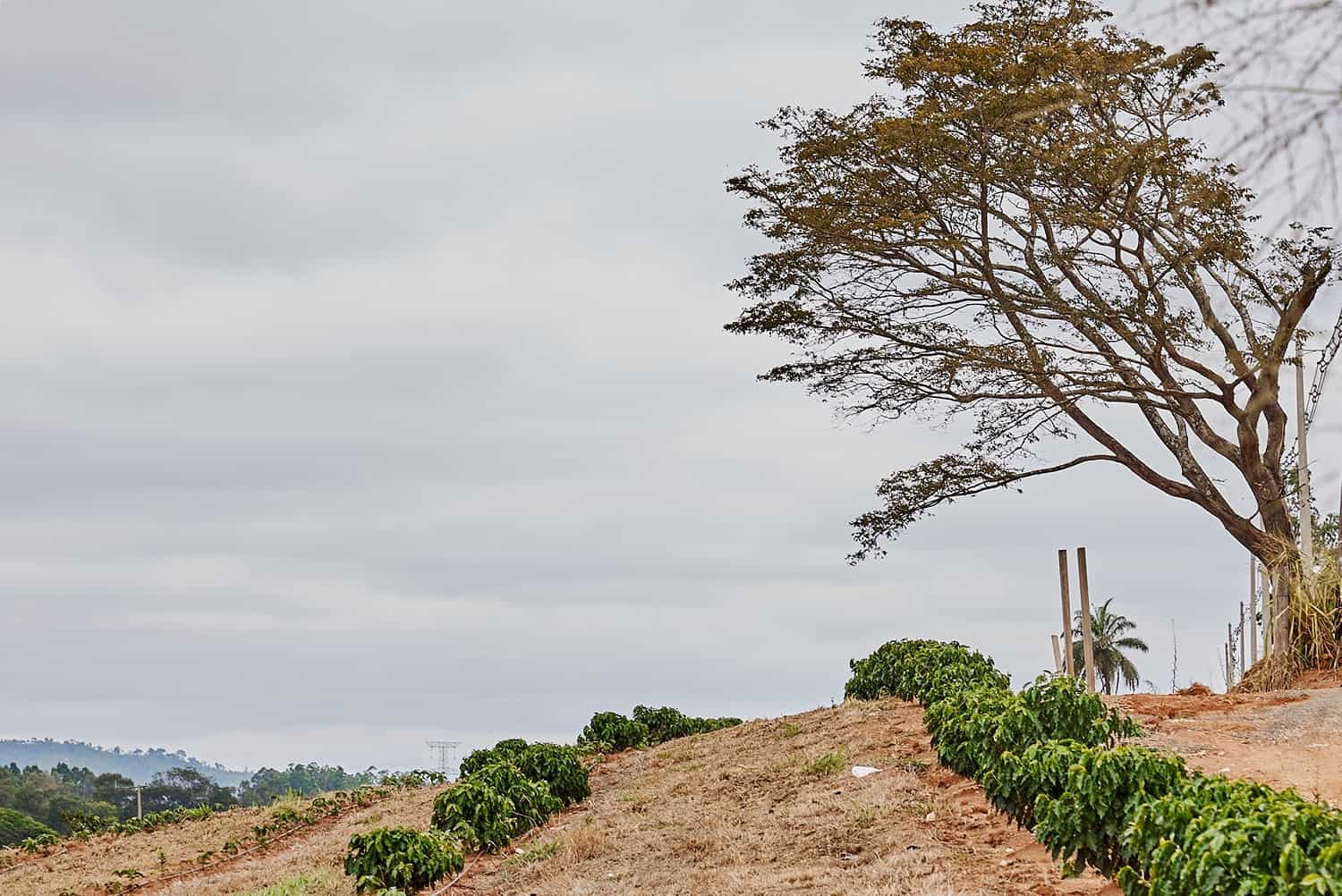
As you may already know, the vast majority of coffee is grown within the so-called Bean Belt. Roughly located within the Tropic of Cancer and the Tropic of Capricorn, this equatorial region circles the globe, and offers plenty of places with the ideal conditions for growing coffee. With that said, coffee does thrive in some places outside the Bean Belt, including Hawaii and the Azores.
Within this coffee-producing zone, there are both macro and microclimates, the latter being particularly important for specialty coffee cultivation. For example, specific mountainsides or valleys might experience distinct weather patterns that are different from the surrounding areas. And in the best-case scenario, coffee trees will thrive in this special microclimate.
Either way, coffee grows well in regions with stable, predictable weather patterns that involve warm days, cool nights and abundant rainfall. With that said, it’s important that there’s a dry season as well as a rainy season, especially once the coffee has been harvested. That’s because a prolonged dry spell encourages the plants to go into flower, which then leads to new coffee cherries.
Elevation
A lot of coffee lovers place special importance on the elevation at which coffee is grown without really knowing why. The general consensus is that the higher the better. And sure, elevation is super important for specialty coffee grown near the equator. That’s because coffee needs warm, humid days and cool nights to produce fruit with a complex balance of sweetness and acidity.
With all that said, the further you travel from the equator, the less important elevation becomes, seeing as the climate is going to be cooler in general. In fact, it might be difficult to grow coffee at the higher elevations in countries lying on the fringes of the Bean Belt.
Is Terroir Everything?
While terroir plays a huge part in coffee production, it’s not the only factor involved in determining how good coffee will taste. In fact, processing methods, harvesting, roasting and brewing all significantly affect a given coffee’s cup profile. And none of these factors can be considered part of a coffee’s terroir.
Processing methods, in particular, have an enormous impact on how any coffee bean will present itself in your cup. A great example is an Ethiopian Sidamo coffee, which gets its distinct blueberry notes from the natural processing method used in the region.
With all that said, some will argue that traditional, region-specific processing methods can be considered part of a coffee’s terroir. Ultimately, though, it’s important to remember that you can grow great coffee in a region with “perfect” terroir and still end up with a bad-tasting cup of joe.
This could come down to the fact that the coffee wasn’t harvested carefully enough, or something went wrong during processing. Heck, let’s not forget that careless roasting or incorrect brewing can ruin even the most exquisite coffee in the world.
How Is Climate Change Affecting Coffee Terroir?
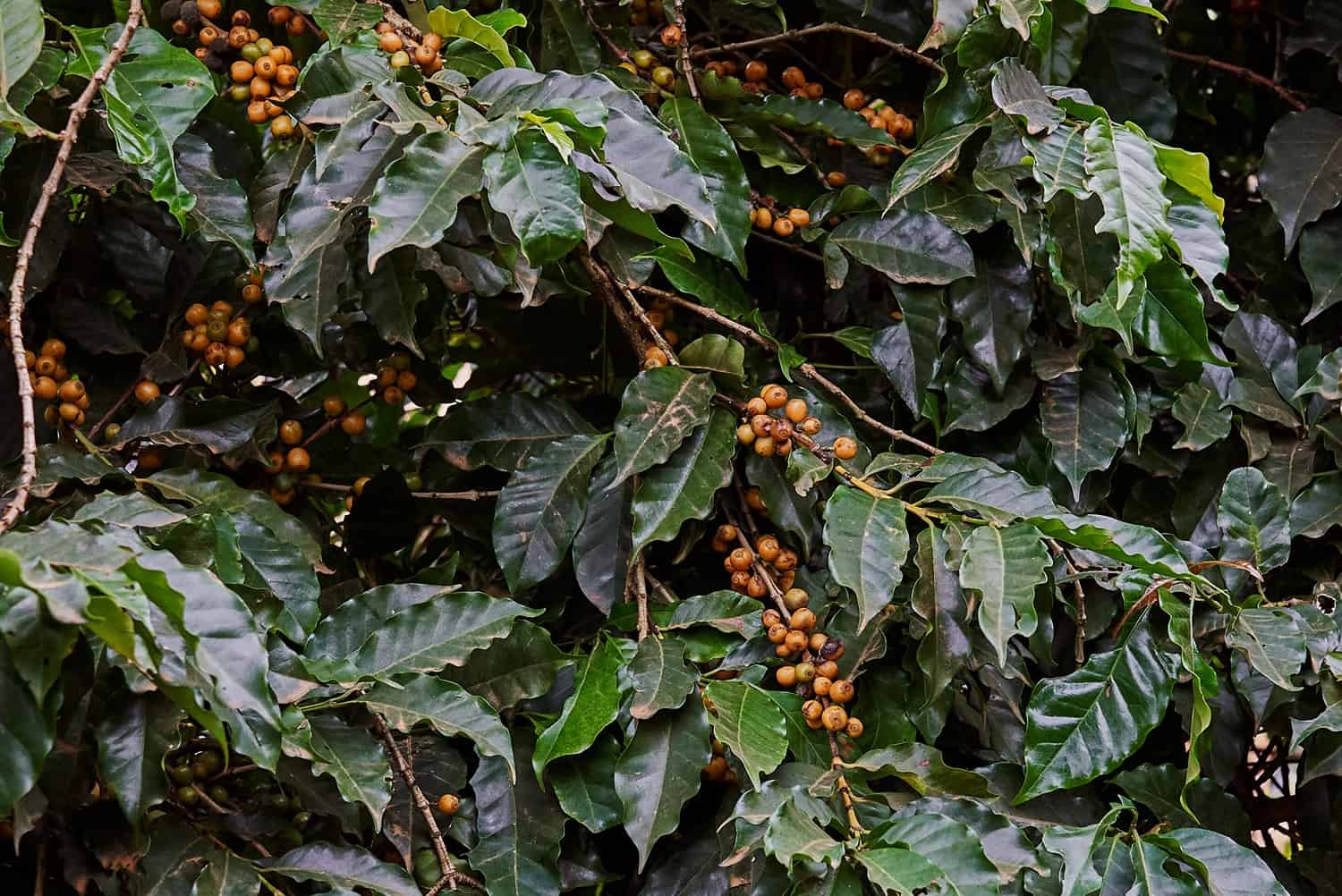
Seeing as climate is such an important part of the terroir equation, it stands to reason that climate change will have a profound effect on established growing regions. Unfortunately, many coffee farmers are being forced to throw in the towel because of shifting weather patterns. And many more are having to seek out new growing areas at higher elevations to survive.
What’s more, pests and diseases previously unseen at higher elevations are now showing up and attacking plants with no natural resistance.
Of course, as rain patterns become more unpredictable, the likelihood of devastating consequences increases. This is especially important during harvest time, which usually occurs at the end of the rainy season. If it’s raining during harvest, the whole system can be thrown into disarray, particularly when a farm relies on patios for sun drying. On the flip side, recent droughts in Brazil have been catastrophic, with coffee the coffee industry suffering huge losses.
Interestingly, climate change has opened the door to areas that may have been previously unsuitable for coffee cultivation. So, don’t be surprised when you start seeing California grown coffee sitting on your local supermarket shelves.
Final Thoughts
At the end of the day, coffee terroir is a fascinating subject. But whether or not some folks put too much emphasis on terroir is up for debate. I think it’s safe to say that terroir is just one factor influencing how your coffee will taste, and goes hand in hand with processing, roasting and brewing.
Still, if you want to learn more about coffee terroir, the best thing to do is buy high-quality single origin beans from a specialty roaster. These days, you can be fairly safe in the knowledge that this roaster will provide you with a ton of valuable information about where the coffee was grown, how it was processed and what to expect flavor-wise.
I hope you’ve enjoyed my coffee terroir guide. Do you have anything to add? Feel free to leave a comment below!