



If you’ve been sleeping on Ecuador coffee, consider this your wake-up call. This lesser-known origin, bordering Colombian and Peruvian coffee regions, is fast gaining recognition for high-quality beans.
But what makes Ecuadorian coffee so good? And why are industry experts crushing on it these days?
My mission today is to spill the beans on Ecuador coffee. And yes, that pun was very much intended. Whether you’re a seasoned coffee drinker, or just someone looking to change up your morning brew, Ecuador is where it’s at. So, let’s dive right into this South American country’s exciting coffee story!
Table of Contents
A Brief History of Ecuadorian Coffee
Coffee arrived in Ecuador sometime in the 1830s. It found an immediate home in the coastal province of Manabí, where the climate and terrain proved favorable. By the 1860s, Ecuadorian farmers saw coffee’s commercial potential and began cultivating it for export.
Things went swimmingly at first. From a modest start of 220,000 60-kilogram bags in 1935, exports peaked at just over 1 million bags in 1970. Most of this coffee served European and American markets, establishing Ecuador’s reputation as a global coffee producer.
But then came the hiccups. Because Ecuador leaned heavily into commodity-grade Robusta, it failed to make its mark in the lucrative Arabica market.
To make things worse, the International Coffee Agreement collapsed in 1989. This sent prices into freefall, hitting Ecuador coffee farmers hard. Many abandoned their crops entirely, while others shifted to more reliable commodities like cacao and bananas.
Thankfully, the Ecuadorian coffee industry survived. And we have farmers and cooperatives to thank for this. Throughout the 1990s, these forward-thinking producers began experimenting with premium Arabica varieties. This laid the groundwork for better prospects to come.
Ecuador Coffee Production Today
Despite massive improvements, Ecuador’s coffee production remains modest today. But what it lacks in quantity, it most definitely makes up for in quality.
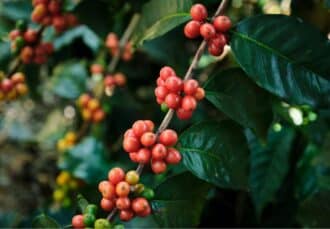
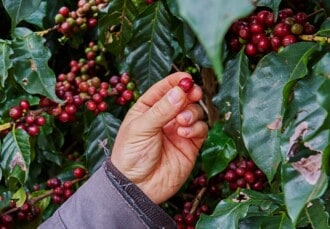
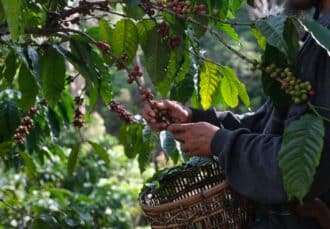
As of 2023, the country produced 5.5 million kilograms (93,0000 60-kilogram bags), representing 1 percent of global production. It’s a humbling number compared to Brazilian vs Colombian coffee production, but Ecuador’s story isn’t about scale. Unlike Brazil, all of the harvest here is hand-picked
However, projections suggest that output is still declining. Farmers are grappling with high production costs, labor shortages, climate challenges and pests and disease. Continuing market price fluctuations don’t help either.
Still, rather than competing on volume, Ecuadorian coffee producers are doubling down on quality. They’ve formed cooperatives and associations to improve the quality of their beans. Increasingly, they’re also building lasting relationships with importers and specialty roasters abroad. By all indications, this strategy is slowly paying off.
Overseeing the Ecuador coffee industry is ANECAFÉ. It holds an annual green-coffee competition (Taza Dorada or Golden Cup), which rewards producers of top-quality microlots.
The culmination of all these efforts is real recognition on the world stage. In fact, in 2021, the country claimed its first Cup of Excellence win, with a Typica Mejorado from Loja, which scored an impressive 90.93 points. This award finally put Ecuadorian coffee on the map.
Ecuador Coffee Growing Regions
Coffee thrives in 23 out of Ecuador’s 24 provinces, which tells you just how deeply embedded it is in the national identity. Arabica varieties dominate the high-elevation regions and Robusta the coastal and low-lying provinces.
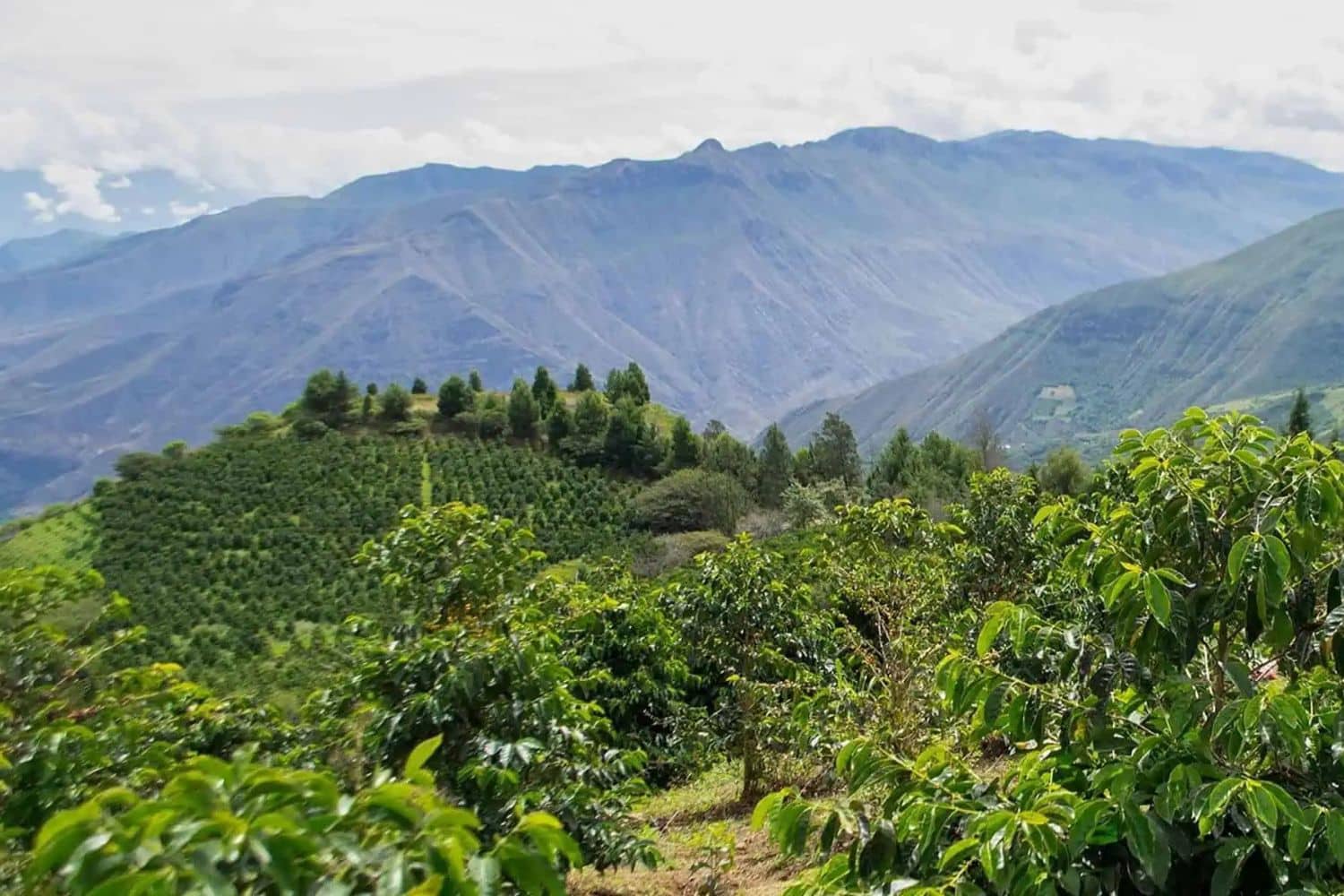
Loja & the Southern Highlands
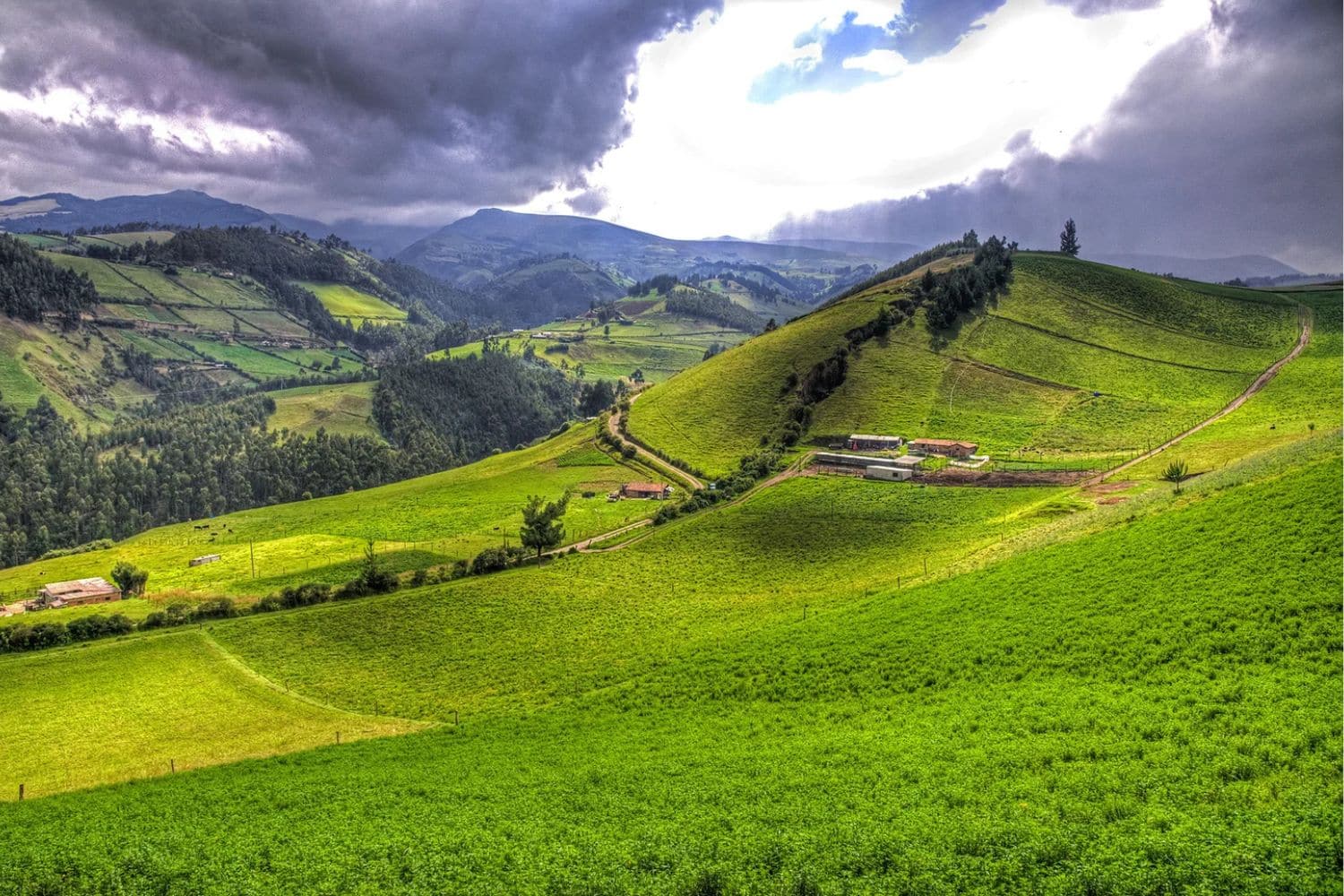
Widely regarded as the crown jewel of Ecuadorian coffee, Loja sits in the southern Andes. It benefits from a tropical highland climate, fertile volcanic soils and over a century of coffee-growing tradition.
Farms here typically lie at 1,700-2,300 metres above sea level (masl), growing
Typica, Caturra and Bourbon. However, some forward-thinking producers are now introducing Geisha, Sidra (an Ethiopian Red Bourbon-Typica hybrid), Typica Mejorado, Castillo and Catuai. All are giving impressive results.
There’s also a growing trend for natural and honey processed coffees in Loja, adding even more dimension to an already exciting region.
Pichincha and the Intag Valley (Northern Highlands)
Two hours north of Quito, at the western foothills of the Andes, sits the Intag Valley. This elevated area, at 1,500-3,000 masl, is famous for premium Arabicas. These coffees boast a perfect balance of acidity, sweetness and bitterness.
The broader Pichincha province surrounds the capital and contains some of Ecuador’s most ambitious specialty producers. Many come from professional backgrounds outside agriculture, bringing a meticulous, business-minded approach to coffee farming.
As a result, Pinchicha produces some of the most complex and diverse coffees Ecuador has to offer. Bourbon, Typica, SL28 (a drought-resistant, high-acidity Kenyan import) and Caturra are just some of the varieties you’ll find thriving here.
Zamora Chinchipe & the Southern Amazon Foothills
Sitting at 800-1,800 masl, where the Andes range meets the Amazon rainforest, Zamora Chinchipe occupies a dramatic and biodiverse landscape.
Producers here primarily grow Typica and Caturra under shade, often intercropped with plantain and other crops. This approach is biodiverse, bird-friendly and adds a natural sweetness to the beans.
Fully washed and double-washed processing (using Kenyan coffee-style methods) is the norm here. As a result, many lots are exceptionally clean, allowing all of the coffee’s flavor complexity to shine through.
Manabí & the Coastal Lowlands
Manabí is where Ecuador’s coffee story began, and alongside Guayas and El Oro, accounts for more than half of the country’s total output.
The elevation here is much lower than in other regions (600-800 masl), making conditions perfect for Robusta. That said, Manabí is evolving. Its relatively dry post-harvest climate makes it particularly well suited to sweeter natural-processed Arabicas, typically of the Typica, Caturra and Bourbon varieties.
Notably, a growing sustainability movement has seen many producers shift to biodiverse shade-grown and organic coffees.
Imbabura & The Northern Highlands
Located in the northern part of Ecuador, Imbabura is famous for its fertile volcanic soils and diverse microclimates. At elevations of 1,350-2,300 masl, it shares much of its character with neighboring Pichincha, but tends to produce a slightly softer, more rounded cup.
Increasingly, this area is also attracting investment from specialty-focused producers. They’re targeting Sidra, Geisha, Typica Mejorado, SL28 and Caturra varieties for their untapped potential within the country.
The Galápagos Islands
Perhaps the most unique and storied growing environment in all of Ecuador, the Galápagos Islands produce coffee beans unlike anything from the mainland. Lower elevations (130-400 masl), cool trade winds and rich volcanic soils produce a well-balanced, rounded, low-acidity cup.
Typica is the dominant variety here, grown on the protected islands of Santa Cruz and San Cristóbal. Because these are designated UNESCO World Heritage Sites, farming is tightly regulated. These coffees’ yields are low and their exclusivity high, making them among the rarest coffees in the world.
Ecuador Coffee Processing Methods
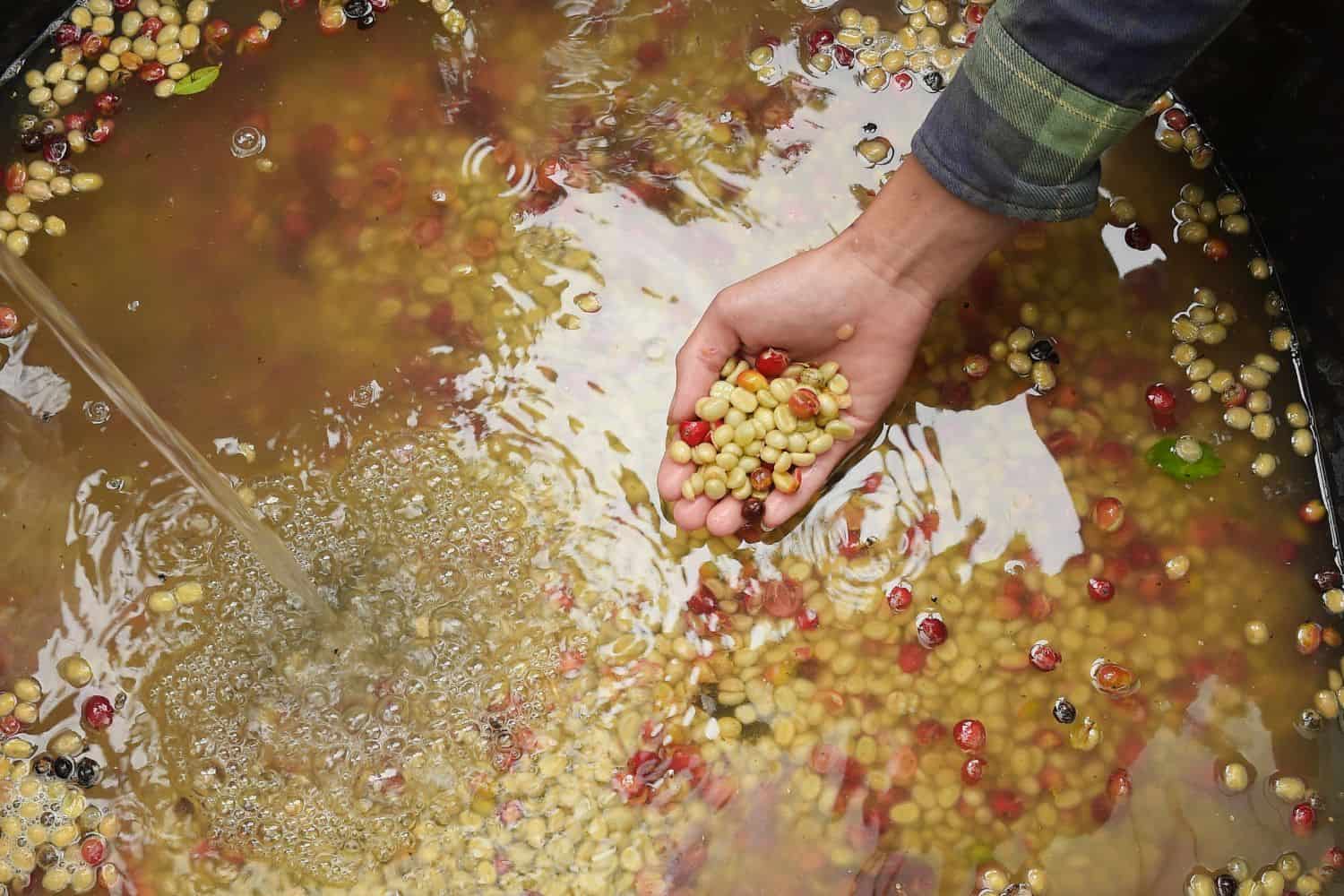
Processing is where a great cherry becomes a great bean, and Ecuadorian producers are getting increasingly creative about how they go about it.
Ecuador is famous for its washed processing. It remains the dominant method across the highlands, especially in Zamora Chinchipe where Kenyan double-washed processing is the norm. Many producers in Azuay and Palanda, the Galapagos Islands and Pinchicha also prefer washed processing.
However, there’s a growing trend for natural processed coffees, especially in Loja and Manabí. Producers here leverage the drier conditions, producing sweeter, characterful lots.
The honey process is also popular, especially in Loja and Pinchicha, where the coffees show a sweet and heavy-bodied character with brighter notes. Some producers take things a step further, delving into “pink-honey” and “anaerobic-honey” beans.
Lastly, we have experimental processing, common in Loja, Pinchicha, Imbabura and Manabí. This process yields unique coffees, some boasting intense tropical fruit and spicy notes.
What Does Ecuadorian Coffee Taste Like?
If I had to sum up Ecuadorian coffee in one word, it would be “sweet.” Still, beyond the baseline caramel/panela sweetness, the best lots also deliver concentrated jam-like or yellow fruit notes, a medium brightness and lingering finish.
But where Ecuador coffee gets really interesting is at the variety level. Its Typica is mildly acidic and smooth, while its Bourbon leans sweeter, while still retaining its chocolate-red fruit character.
Of all Ecuador’s coffees, Sidra is the star of the show. It has an elegant acidity, tea-like body and distinctive orange blossom scent. Its tasting notes are downright delicious, full of stone fruit (peach, apricot, nectarine), citrus (orange, panela) and floral (jasmine, rose) undertones.
The region you source your Ecuador coffee from plays a massive role, too.
Coffees from Loja have a defined acidity with medium sweetness, while those from the southern regions, like Morona Santiago and Zamora Chinchipe, cup with delicate pear notes, a limeade acidity and caramely finish. Uniquely, beans from the Galapagos Islands tend to be well-balanced and rounded with lower acidity.
Finally, we can’t ignore the impact coffee processing has on flavor. Washed Ecuadorian coffee tends to be clean and delicate, letting the terroir shine through. In contrast, honey and natural-processed lots lean into fuller-bodied, funky-sweet and sometimes spice notes (nutmeg, allspice).
What’s the Best Brewing Method for Ecuadorian Coffee Beans?

Ecuador coffee responds well across a range of brewing methods. But pour-over, French press and espresso are the three methods I’d recommend.
Pour-over (V60 or Chemex), in particular, brings out this coffee’s floral and fruit complexity beautifully. The slow, controlled extraction amps up the sweetness and clarity, bringing forth any delicate fruity-floral notes.
French Press is ideal for more full-bodied, honey- or natural-processed lots. This immersion brewing method brings out more texture and depth, highlighting any jam-like, spice or chocolate notes.
And then we have espresso, a brilliant choice for Bourbon and Typica lots. The full-bodied, chocolatey, caramel-driven character of these varieties translates brilliantly under pressure. The resulting coffee is rich and sweet, with a clean finish. Medium to medium-dark coffee roast profiles work best here.
How to Buy Ecuador Coffee
Genuine Ecuador coffee is not always easy to find. As production is modest, Ecuador’s domestic industry competes directly with international buyers for the limited supply. This means that top lots making it out of the country often come at a premium.
That’s actually your first clue that you’re dealing with the real thing. If a bag of “Ecuadorian single-origin coffee” is suspiciously cheap, be skeptical.
Your best bet is to go through reputable specialty roasters who explicitly name their Ecuadorian supply chain. Notable companies include:
Trasus Coffee (Santa Monica): Importers of green Ecuador coffee beans
Press Coffee Roasters (Arizona): Stocks Ecuador Zamora coffee
Inti Coffee (Salt Lake City, Utah): Specializes in ethical, organic, single-origin and direct-trade coffees
Zero Latitude Coffee (New Jersey): Specializes in micro-lots, e.g., Sidra from Finca La Comarca
Mont Coffee (Miami, Florida): Curates high-elevation Arabica from Loja and the Galapagos Islands
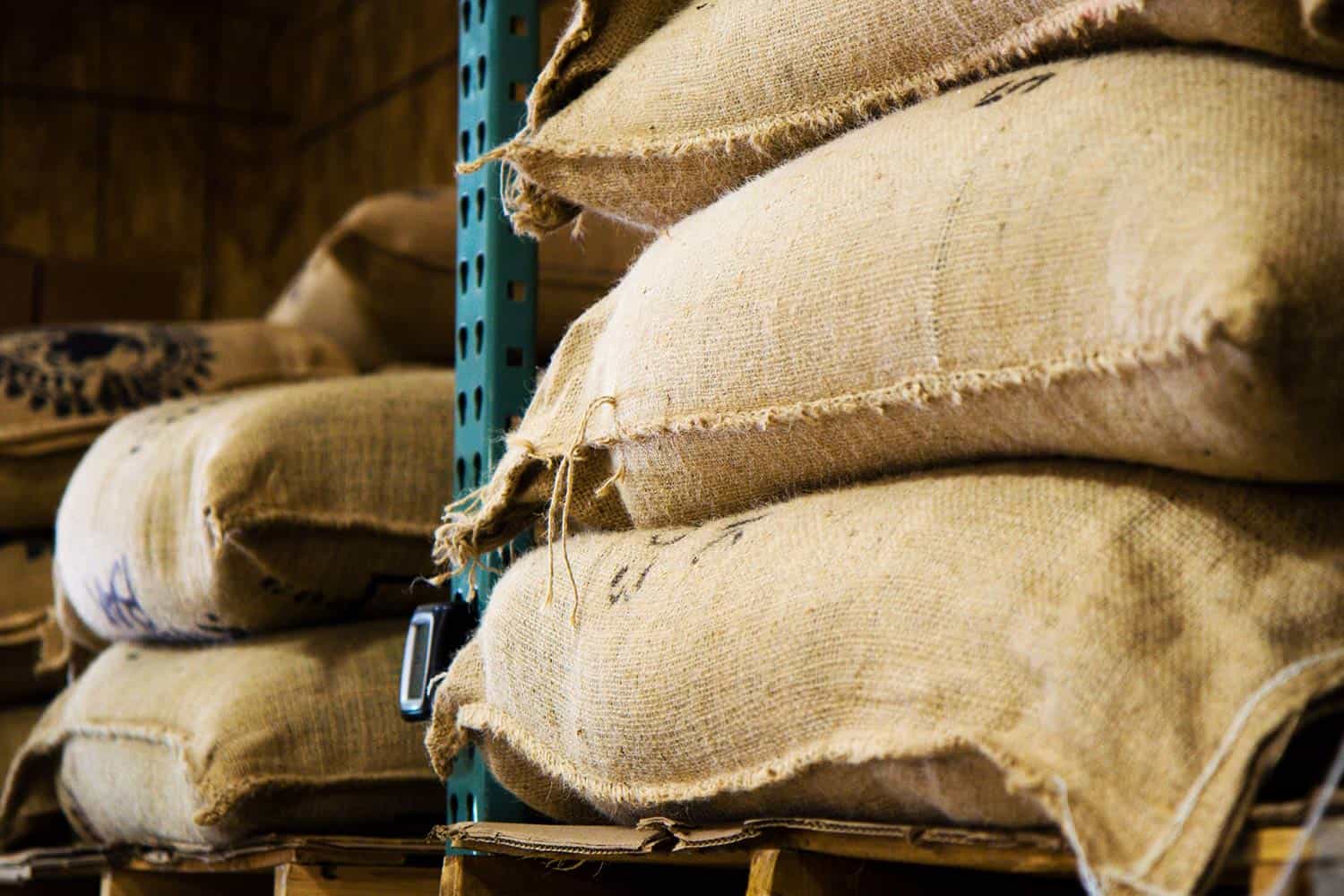
Apart from knowing where to get Ecuador coffee, here are some useful indicators of quality:
Single origin and traceable sourcing: The region, farm or estate is on the packaging. Vague language like “Ecuador blend” is a red flag.
Arabica variety: Typically Sidra, Typica, Bourbon, SL28 or Caturra.
Altitude information: Credible producers always list the growing elevations.
Roast date: No roast date on the packaging usually means that the coffee has been sitting in a warehouse. Only buy coffee within 7-21 days of the roast date.
SCA/competition scores: 80+ points on SCA scales as rated by a certified Q Grader. Taza Dorada placings or Cup of Excellence ratings are also a strong sign of verified quality.
Certifications: Fair-Trade, Organic, Rainforest Alliance or Bird-Friendly certifications.
Final Thoughts
I hope you’ve enjoyed reading all about Ecuador coffee, and gained valuable knowledge on this up-and-coming origin.
This country’s coffee story is far from over, in fact it’s still being written. In recent years, Ecuador has started to produce quality coffee consistently – coffee that can stand shoulder to shoulder with the very best on the planet.
What makes Ecuador truly special isn’t just the high elevation terrain, soil and climate, though all three are exceptional. It’s also the people. Farmers like the Morales family at Cruz Loma, the team at Finca Maputo and the cooperative growers of Zamora Chinchipe.
All are pouring genuine passion into every lot they produce, chasing excellence over volume. And more than ever, it’s beginning to show in the cup.
Was this guide on Ecuadorian coffee helpful? Share it with a fellow coffee lover and explore our barista blog for more deep dives into the world’s most exciting coffee origins. Your next favorite cup of joe could be in your next read!
Ecuador Coffee FAQs
Absolutely. Ecuador produces outstanding specialty coffees, which consistently earn high scores at international competitions.
Ecuadorian coffee has a natural sweetness, smooth, balanced body, gentle acidity and fruity-floral notes. Depending on the region and processing method, you can expect notes ranging from stone fruit, citrus and orange blossom through to chocolate, caramel and red berries.
Coffee grows across almost the entire country. The most celebrated regions are Loja, Pichincha and the Intag Valley, Manabí, Zamora Chinchipe and the iconic Galápagos Islands. Each region brings its own distinct terroir, altitude and microclimate-influenced character to the cup.