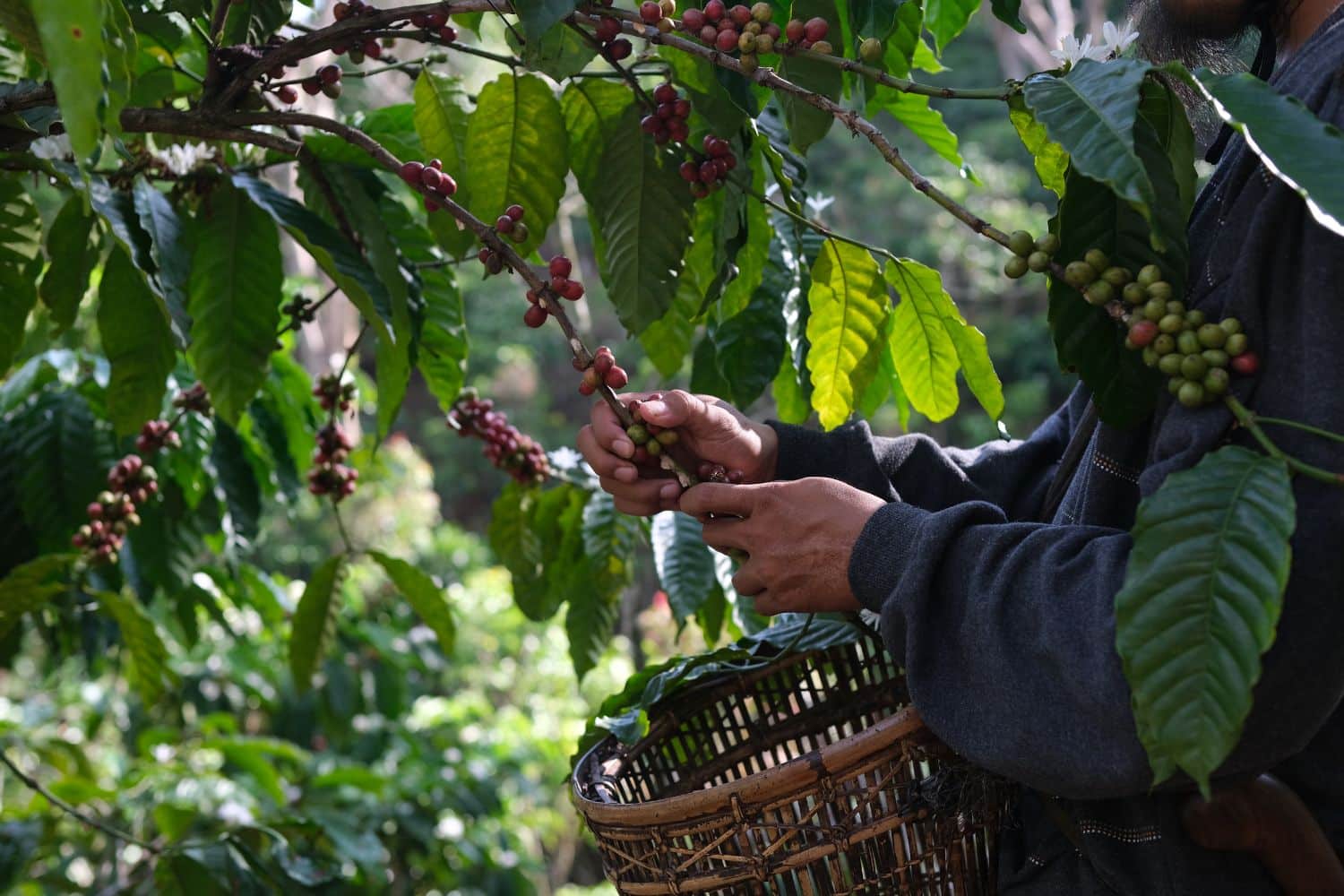




When most people think of Central American coffee, they probably think of a floral Panama Geisha or a nutty Guatemalan. But let me put you onto something lesser-known and just as special: Nicaragua coffee.
So, what’s the deal with these beans?
Read on to learn more about this approachable and balanced coffee that comes with a story as rich as the brew itself.
Table of Contents
A Brief History of Coffee in Nicaragua
Coffee isn’t native to Nicaragua, but man, did it find a home here! Spanish Catholic missionaries first introduced Arabica plants to the country in the 1790s via Costa Rica and Colombia.
The northern highlands became ground zero for the ensuing Nicaragua coffee boom. Regions like Jinotega, Matagalpa Madriz and Nueva Segovia turned into coffee country, with large-scale German settler plantations popping up across the misty hillsides in the 1850s.
By the early 1900s, coffee was Nicaragua’s top export. The industry hummed along steadily through the mid-century, with Nicaragua establishing itself as a reliable supplier to international markets, particularly the United States and Europe.
However, political instability aka the 1970s Sandinista Revolution put a spanner in the works. To make things worse, it escalated to an outright civil war in the 1980s, hitting the coffee industry hard.
Consequently, the government nationalized many coffee farms, robbing producers of their livelihoods. In addition, this war disrupted traditional trade routes, leading to a US trade embargo. This cut off Nicaragua’s biggest market.
What followed was a disaster. Many producers neglected, or flat out abandoned their farms. Sadly, Nicaragua coffee took a beating while neighboring Guatemala, Costa Rica and Panama coffee industries kept thriving.
But like so many other origins, the 1990s saw a post-conflict renaissance. Nicaraguan producers began rebuilding with serious determination. They focused on quality over quantity and invested in better processing methods.
Slowly, Nicaragua clawed its way back into the specialty coffee fold.
Nicaragua Coffee Production Today
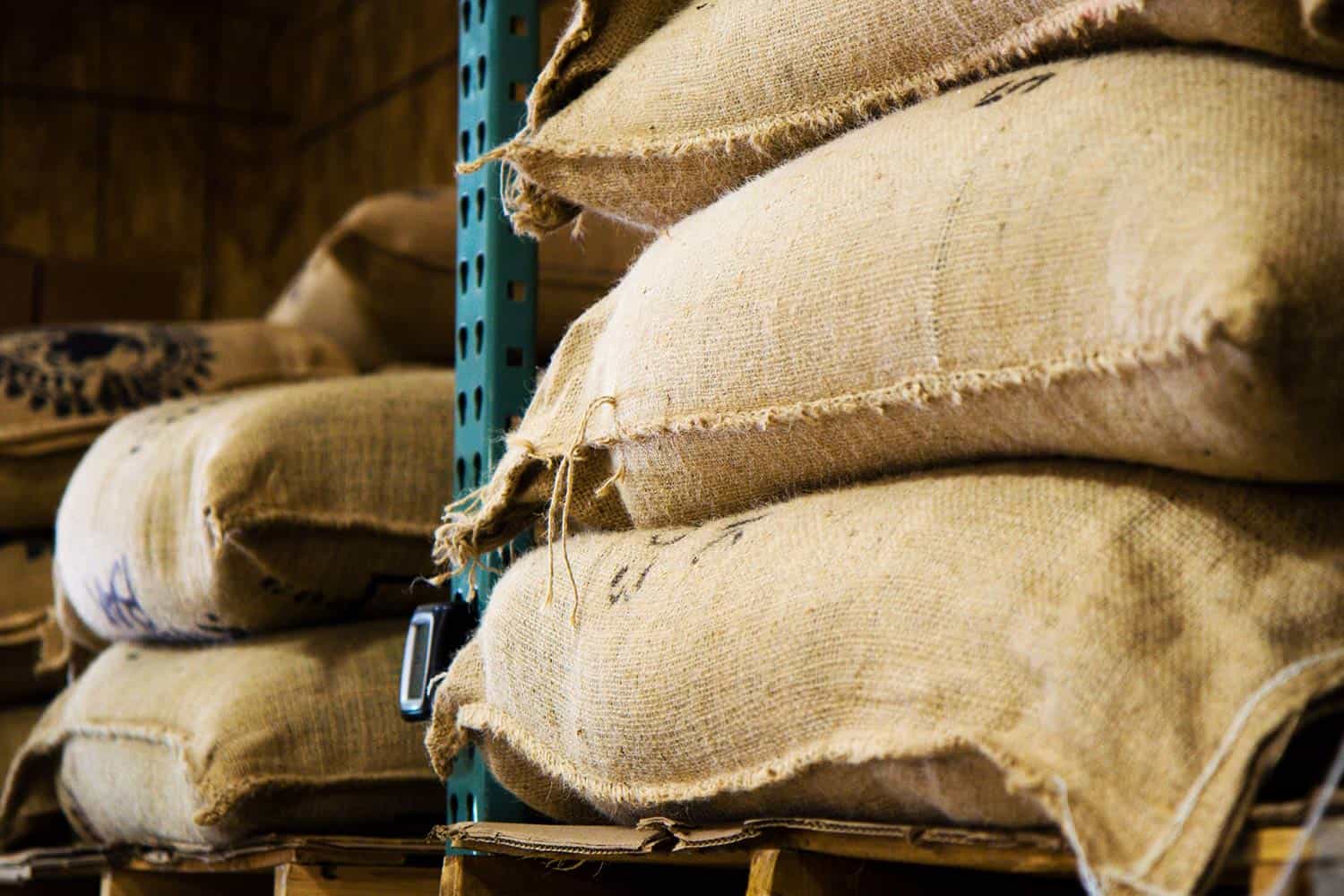
Today, Nicaragua is one of the world’s biggest coffee producers. It churned out approximately 2.6million 60-kilogram bags in 2025, placing it in the top 20 globally.
This productivity also makes it one of Central America’s biggest producers, beating better-known origins like Costa Rica and Panama. Not too shabby for a country that was rebuilding its coffee industry just a few decades ago!
So, what makes Nicaragua coffee stand out? Smallholder farmers. There are large plantations or fincas, but 95 percent of Nicaraguan beans today come from small, family-owned farms. Generations of families work the same hillside farm, often using traditional, shade-grown and organic methods.
In addition, cooperatives like CAFENICA oversee production and quality standards. Thus, they help farmers pool resources and access better markets and fairer prices. They also provide better financing, education and coffee processing facilities.
The Specialty Coffee Association of Nicaragua (ACEN) also has a role to play. Its annual Cup of Excellence competitions do much to promote Nicaragua’s reputation for quality coffee.
But climate change means it’s not all smooth sailing. Unpredictable rainfall and rising temperatures have pushed optimal growing zones higher up the mountains. To make things worse, coffee leaf rust, the bane of growers everywhere, has wiped out entire harvests in recent years. Farmers are fighting back, though, with rust-resistant varieties like Catimor, shade-grown coffee and other sustainable practices.
Also, international certifications like Fair Trade, Organic and Rainforest Alliance help farmers get premium prices, which makes these investments possible.
So, what kind of future awaits Nicaragua coffee? A cautiously optimistic one.
If Nicaragua can keep adapting to its coffee-and-climate-change challenge while maintaining quality, they’re set to become one of the most respected coffee producers in Central America.
Which Coffee Bean Varieties Are Grown in Nicaragua?
Nicaragua grows several Arabica varieties, all of which can handle the country’s diverse conditions.
First, there’s Bourbon, the variety that helped build Nicaragua’s coffee reputation. It produces less than other varieties but makes up for it with superior cup quality.
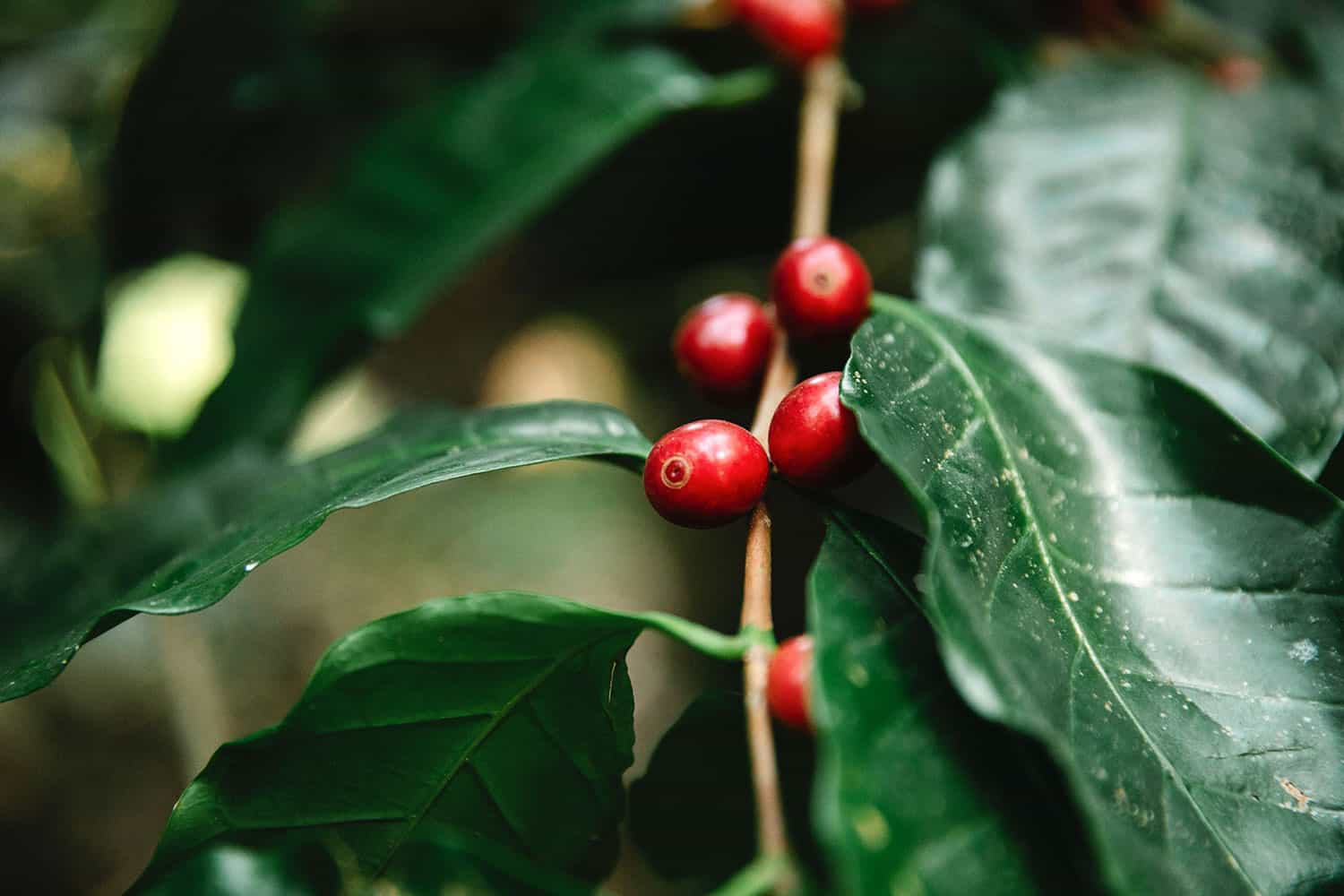
Caturra is another staple. A mutation of Bourbon, it grows compact and short, making it easier to harvest and manage. It also produces higher yields and adapts well to different elevations.
Then, there’s Maragogype. Also known as “the elephant bean” for its enormous size, Maragogype is a natural mutation of Typica. It grows best in Matagalpa’s terroir, and producers love it for its novelty status.
Nicaragua also grows Pacamara, a cross between Pacas and Maragogype that produces massive beans with wild, complex flavors. It’s tricky to grow and yields are low, so you’ll find it on specialty farms in Nueva Segovia and parts of Jinotega.
Catimor also thrives here. After devastating rust outbreaks in the 1990s and more recently, the 2010s, many farmers switched to Catimor varieties to protect their livelihoods. It’s Nicaragua’s answer to coffee leaf rust as it combines Arabica varieties with rust-resistant Robusta.
Nicaragua Coffee Growing Regions
Nicaragua doesn’t have many growing regions, which makes sense given its tiny size.
However, it does have something going for it: protected microclimates. The El Majaste complex and the Tepesomoto-La Patasta mountain range, covering the Segovias region, are ideal for slow cherry maturation, a win in the coffee world.
Jinotega
This is Nicaragua’s coffee powerhouse, producing half the country’s beans.
Sitting at elevations between 1,188 and 1,798 meters above sea level (masl), Jinotega enjoys cool temperatures, consistent rainfall and rich volcanic soil.
The higher altitudes give this region its nickname “City of Mists.” It’s the ideal terroir for growing SHB/SHG beans, with sweeter, complex flavors.
Popular varieties here include Caturra, Bourbon and increasingly, Catimor for rust resistance.
Matagalpa
Right next door to Jinotega, Matagalpa, often called the “Pearl of the North,” is Nicaragua’s second-largest coffee region. Elevations here range from 914-1,402 masl, with similar volcanic soil but a warmer microclimate.
The region benefits from cloud forest shade and mineral-rich earth, which again encourages slow cherry maturation. Caturra, Bourbon and Maragogype thrive here.
Estelí
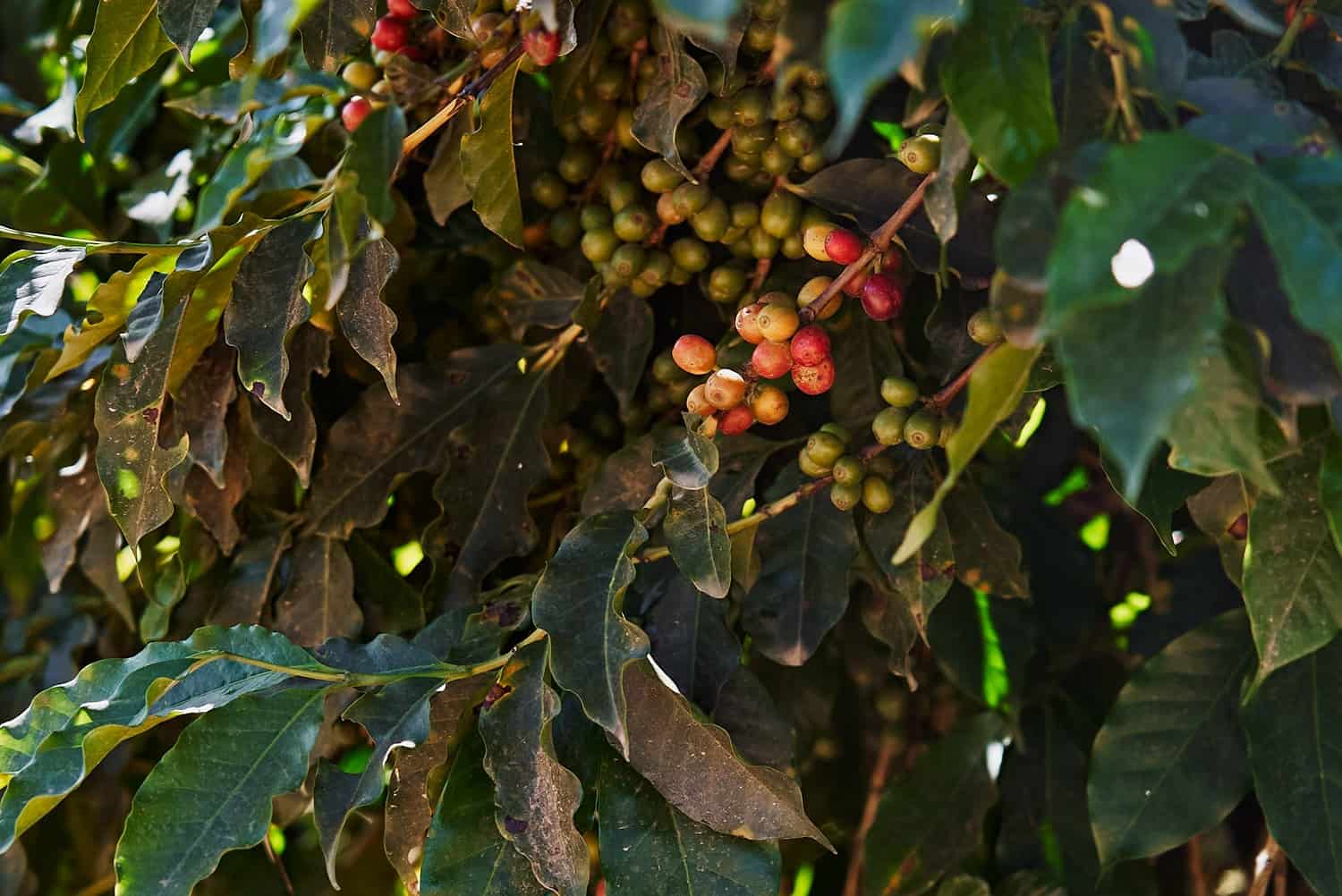
Estelí sits at lower elevations of between 792 and 1,584 masl, giving it drier conditions than other regions. The volcanic plateau and distinct dry season stress the plants just enough to concentrate the flavors without harming them.
Primarily, it’s Caturra and Bourbon varieties that thrive here.
Nueva Segovia
Up near the Honduras border, Nueva Segovia farmers operate at dizzying elevations of 1,005-1,707 masl. The cooler temperatures and extended growing season also create dense, flavor-packed beans.
The soil here is particularly mineral-rich from ancient volcanic activity. Bourbon, Caturra and Pacamara grow well in these conditions.
Madriz
Nestled in the northern highlands between Nueva Segovia and Estelí, Madriz spans elevations from 1,097 to 1,493 masl. Like other regions, it benefits from consistent rainfall, cool mountain breezes and nutrient-dense volcanic soil.
What sets Madriz apart, though, is that a large part of it lies within a protected microclimate, courtesy of the surrounding Tepesomoto–La Patasta mountain range. This ensures that most of the coffee cherries mature slowly, intensifying bean flavor.
Caturra and Bourbon are the main varieties here, with some Catuai mixed in.
What Does Nicaragua Coffee Taste Like?
The thing about Nicaragua coffee is that for such a tiny country, it’s got range. But if we’re talking about an overall profile, this coffee delivers balanced, approachable cups with moderate acidity.
As you sip, you’ll feel a pleasant body (not too heavy or syrupy) on your palate. Matagalpa and Nueva Segovia coffees especially deliver a full, creamy mouthfeel.
This coffee’s acidity is what we coffee people call “bright but balanced.” It’s not aggressive or sharp like in Kenya coffee. Instead, you get a clean, crisp liveliness that keeps things interesting without overwhelming other flavors.

As for flavor profiles, where do I begin?
Jinotega coffees are all about flavor complexity. Expect citrus notes like orange or lemon, floral hints and sometimes stone fruit flavors like peach or apricot. The finish is clean and refreshing, often with a lingering, tea-like quality.
Matagalpa is all about comfort. Rich chocolate dominates, backed by caramel sweetness and nutty undertones. Some cups show brown sugar, caramel or honey notes. The finish is smooth and sweet, with no harsh aftertaste.
Nueva Segovia coffee goes bold. It boasts deep dark chocolate flavors with hints of dried fruit, spice or even tobacco in the best lots. The finish is long and satisfying with a lingering cocoa intensity.
Meanwhile, Madriz hits the sweet spot with honey and caramel front and center, mellow acidity and a silky smooth finish. In contrast, Estelí keeps everything mellow with a calming milk chocolate profile and subtle fruit sweetness.
What’s the Best Brewing Method for Nicaraguan Coffee Beans?
Nicaragua specialty coffee is versatile enough to shine in pretty much any brewing method. But some specific methods let these beans really show off.
Pour over is your best bet for highlighting this coffee’s balanced complexity and bright, balanced acidity. It’s especially great for high-altitude Jinotega beans if you want to taste their nuanced citrus or floral notes.
Likewise, espresso suits Nicaraguan beans. The natural sweetness and chocolate notes create a smooth shot with balanced acidity that doesn’t need a ton of sugar. Matagalpa and Estelí coffees, in particular, are killer for making espresso.
French press also works, especially with fuller-bodied coffees from Matagalpa or Nueva Segovia. The immersion method extracts more oils, giving you a rich, creamy mouthfeel.
Lastly, consider brewing Nicaragua coffee using your best coffee maker. Its balanced and approachable flavor profile makes it perfectly fine for daily drinking. In fact, I’d recommend trying Nicaraguan coffee if you’re new to single origins.
How to Buy Nicaragua Coffee
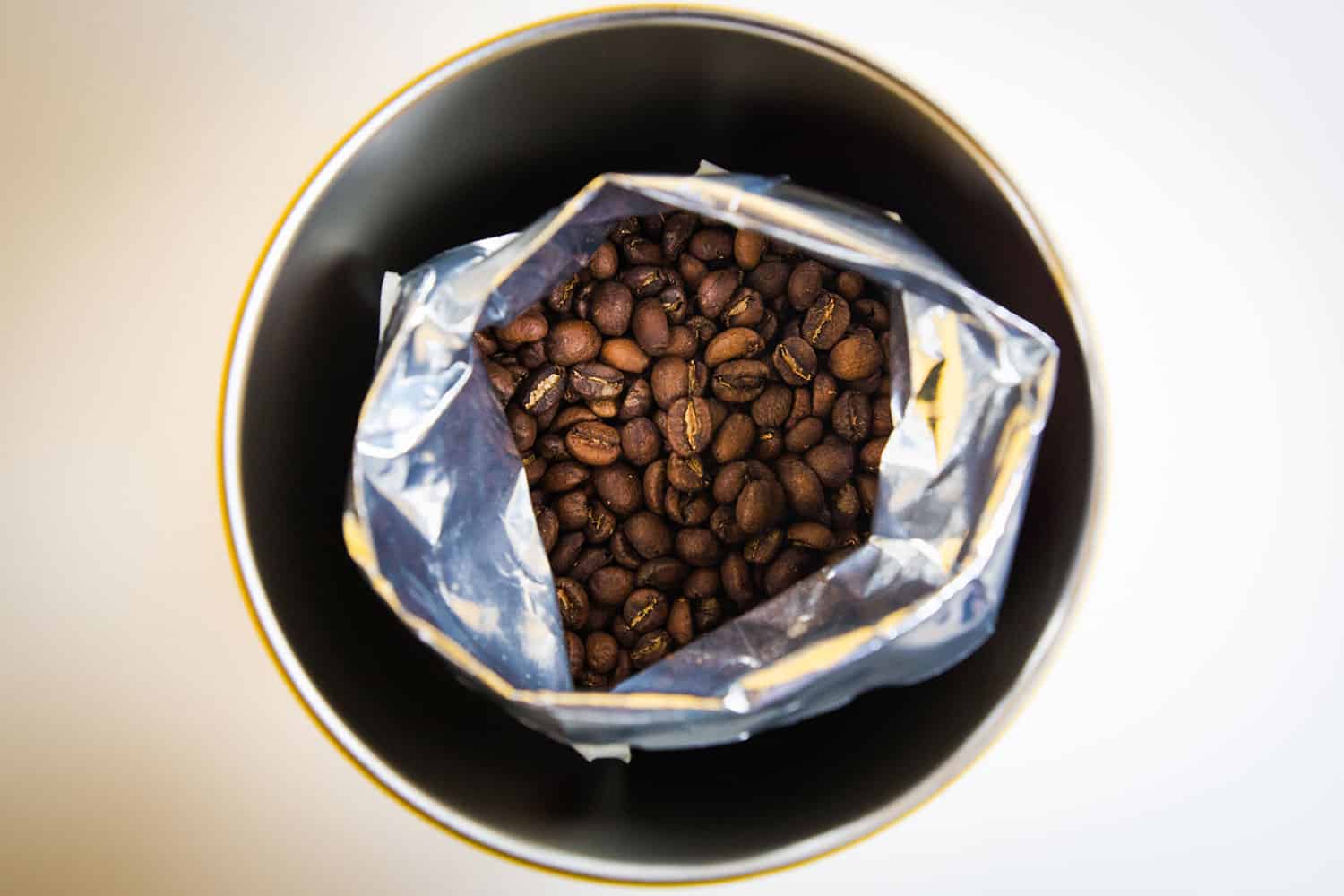
Finding Nicaraguan coffee isn’t difficult, given its proximity to the United States. But knowing where to look and what to look for makes all the difference. Specialty coffee roasters are your best bet. Various specialty US roasters focus on single-origin coffee and often carry Nicaraguan beans.
Likewise, mainstream retailers like Blue Bottle, Counter Culture and Sweet Maria’s (for home roasters) stock Nicaraguan offerings. Even bigger players like Peet’s and Stumptown feature Nicaragua in their lineup.
Grocery stores, unfortunately, are hit or miss. You might find good Nicaraguan coffee at places like Whole Foods or Trader Joe’s, but the selection is likely limited and freshness, questionable.
To ensure you’re getting the real deal, check for these specifics on the label:
Origin: Genuine Nicaraguan coffee lists the country, region, cooperative or exact estate of origin. Others also include the growing altitude and processing method. Vague labels that say “Central American blend” are red flags.
Certifications: Fair Trade, Rainforest Alliance and Organic certifications aren’t guarantees of amazing taste, but confirm traceability and ethical sourcing practices.
Price: This is a massive clue. Quality Nicaragua coffee shouldn’t be dirt cheap. Specialty lots can run at $20-25 per pound, or more.
Sourcing: Buy from roasters that tell you the story behind their beans. The best have transparent direct-trade coffee relationships. This means they know their farmers and the processing method.
Harvest Dates: The harvest season in Nicaragua runs from October through March, peaking in December/January. Try to aim for shipments leaving the country in April/May to get the best lots.
Roast Dates: These matter more than you think, as fresh coffee tastes better. Look for beans roasted within the past 2-4 weeks.
Final Thoughts
Nicaraguan coffee is underrated, and that needs to change. What impresses me most is its consistency. Whether it’s a daily sipper from Matagalpa or a limited microlot from Nueva Segovia, you’ll likely get beans that deliver on flavor without breaking the bank.
Although the future looks bright for Nicaraguan coffee, it’s not guaranteed. Climate change is real and Nicaraguan producers are on the front lines fighting to adapt.
Therefore, supporting Nicaragua coffee will do a world of good to their industry. They’re doing everything they can to keep their coffee alive with sustainable practices, fair wages and a quality-first mentality.
As more people discover what Nicaragua offers, I expect we’ll see these beans competing at even higher levels.
Nicaragua coffee isn’t only good, but also sustainable. Why not snag a bag today? Or if you have already, what are your thoughts on this top 20 origin?
Coffee FAQ
Yes. Nicaragua produces excellent specialty-grade coffee that competes with the best in Central America. The combination of high elevations, volcanic soil and dedicated producers creates high-quality beans.
Nicaragua grows 100% Arabica coffee of the Caturra, Bourbon, Catimor, Pacamara and Maragogype varieties.
Nicaragua coffee is approachable and balanced with a medium to full body and moderate acidity. The finish is typically smooth and clean. Expect dominant chocolate and caramel notes, with variations by region: citrus and floral from Jinotega, deep chocolate from Nueva Segovia and nutty sweetness from Matagalpa.