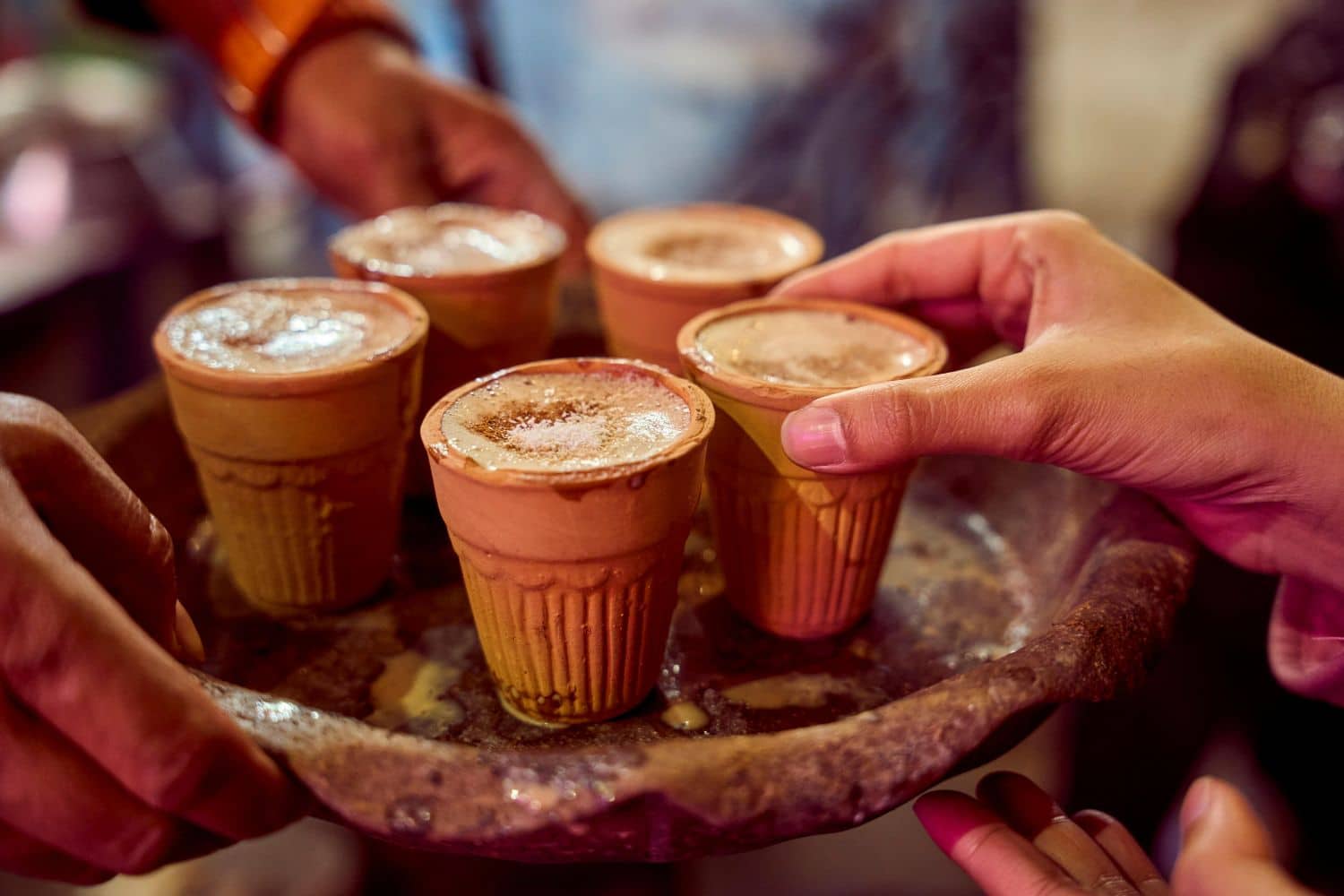



Chai latte became a hot trend in coffee recipes and on café menus more than a few years ago, and today it’s as popular as ever. As it turns out, many folks see this spiced tea as a milder alternative to coffee.
I’ve already addressed the coffee vs tea debate in a previous article. In this guide, we’ll find out how to make a chai latte, and without using ready-made powder blends from companies like Oregon Chai.
Table of Contents
Origin & Name: What Is Chai Latte?
Chai latte is a Westernized version of masala chai, a spiced tea that originated in South Asia. There, the drink is traditionally made with black tea, spices, milk and sugar. Its distinctive flavor comes from ingredients such as cloves, cinnamon and cardamom.
However, in many countries, “chai” (or a close variation) is simply the word for tea – for example, in India, Russia, Ethiopia, Greece and parts of China.
If you order a chai latte here in North America, you’ll usually get a mixture of instant powder, water and milk foam. At Starbucks, they use a high-strength chai concentrate.
What Does a Chai Latte Taste Like?
I always like to describe chai Latte as tasting like Nesquik cocoa for adults. In a good chai latte, the typical spices – such as cinnamon, cloves and cardamom – really come through.
But they are perfectly balanced by the sweetness of the milk and the bitter sharpness of the tea. This makes the drink more complex than, say, a pumpkin spice latte, but not so challenging that we couldn’t enjoy it while relaxing in the morning.
Does Chai Latte Have Caffeine?

Chai latte contains caffeine — and more than you might think. Despite its milder effect, black tea actually has nearly twice the caffeine concentration of coffee beans in its dry form. With that said, a brewed cup ends up with less caffeine because far fewer tea leaves are used per serving.
Nevertheless, black tea tends to provide steadier, longer-lasting focus without a crash because compounds like L-theanine and tannins slow down how quickly your body absorbs the caffeine.
So if you want to keep an eye on your caffeine intake during pregnancy or for other health reasons, you should be just as careful with chai as you are with coffee.
DIY Recipe: How to Make Chai Latte at Home
If you make your own chai latte, you can vary the ingredients and the blend of spices. Here are a few ideas to get you started.
Chai Latte Ingredients
Black tea: Preferably Assam or Ceylon (loose leaf or in tea bags)
Whole or ground spices: Cinnamon, nutmeg, pepper, cloves, bay leaf, cardamom, anise, ginger
Sweeteners: Vanilla, honey, birch sugar or coconut blossom sugar to taste
Milk of your choice
Those who prefer a traditional approach should use the following spice mix:
1 small cinnamon stick
1-2 cloves
1-2 cardamom pods
1 tsp ground ginger
1-2 star anise
5-6 peppercorns
2 tsp ground nutmeg
If you like it spicy, add a little more ginger and pepper; for chocolate chai, add some cocoa (or cocoa bean husks).

Chai Latte Preparation: Step-by-Step Instructions
Depending on the type of tea you use or how you combine the spices, the preparation steps may vary slightly. In general, though, here’s how to proceed:
Place loose black tea in a permanent or paper filter to prepare for steeping.
Add the tea to a saucepan along with the spices, then pour in around 8 ounces (237 milliliters) of water.
Bring to a boil, then turn down the heat and simmer for 3-4 minutes.
Remove the tea bag after its steeping time is up; let the spices sit for a few more minutes.
Strain the contents and pour into glasses or cups.
Froth the milk and pour it over the chai.
A retired French press is actually great for making chai. But I prefer brewing chai in a pot and then straining it. Still feel free to check out my best French press guide if you want to go that route!
What’s the Best Chai Latte Mix?

If you don’t want to pay the price for fresh cinnamon, cardamom, cloves or cocoa, you can use premade chai latte powder blends.
Here, instant black tea is combined with powdered milk and spice blends to create a quick-brewing beverage. You mix it with a little hot water before topping off with a little milk or milk foam.
Back in the day, there were tons of powdered tea drinks available for purchase. But the market seems to have dropped off somewhat. These days, you’ll usually find only one or two options in your local supermarket:
David Rio Chai: For me, David Rio is the best brand for powdered chai. Not only do they offer a wide variety of flavors, but the blend always packs a punch when you pour it into your glass. David Rio Tiger Spice has the best kick, while David Rio Flamingo is decaf, sugar-free and still tastes sweet and vanilla-y. Personally, I can’t recommend the mango version. While each can comes with a substantial price tag, the contents go a long way. Plus, it’s cheaper than buying cinnamon, cardamom, tea and the like separately.
Oregon Chai: As I remember it, Oregon Chai has been around since time immemorial. It was certainly one of the first chai brands in America. A lot less expensive than David Rio, Oregon Chai isn’t as complex, and comes off as a little artificial-tasting to me.
Other Premade Chai Options
If you want to go the more traditional route, Blue Lotus Traditional Masala Chai is widely considered to be a wonderful powdered chai mix. It contains no added sweeteners, milk powders or fillers.
Then there are chai concentrates, which are often spicier than chai latte mixes. Oregon Chai produces a concentrate, as does Rishi. Then there’s an increasing amount of more “boutique” chai concentrates such as , which is made in small batches, using single-origin spices.
Finally, there are loads of chai tea bags on the market nowadays. My favorites include Rishi Masala Chai, Stash Chai Spice and Bigelow Spiced Chai.
All of these have a pleasantly spicy flavor and taste of real ingredients. To ensure a rich flavor in your cup, don’t use too much water per tea bag – or try steeping two bags at once.
Nutritional Information: How Many Calories Are in a Chai Latte?
Counting calories in coffee drinks is generally pointless. If you add syrup, cream and the like to your latte, there’s no need to do the math. It’s much the same with chai lattes:
In terms of calories, tea and spices are negligible, and milk is essentially the same. But when sugar or milk powder comes into play, it’s a different story. A WebMD article calculated that some U.S. powdered chai products contain up to 24 grams of sugar per serving.
Furthermore, “sugar-free” doesn’t always mean unsweetened, and it isn’t the same as “healthier.” Processed foods, even high-quality ones, are still processed foods. A powdered chai is no different from a packet of soup.
Chai Latte Variations: From Coffee-Infused to Iced Chai
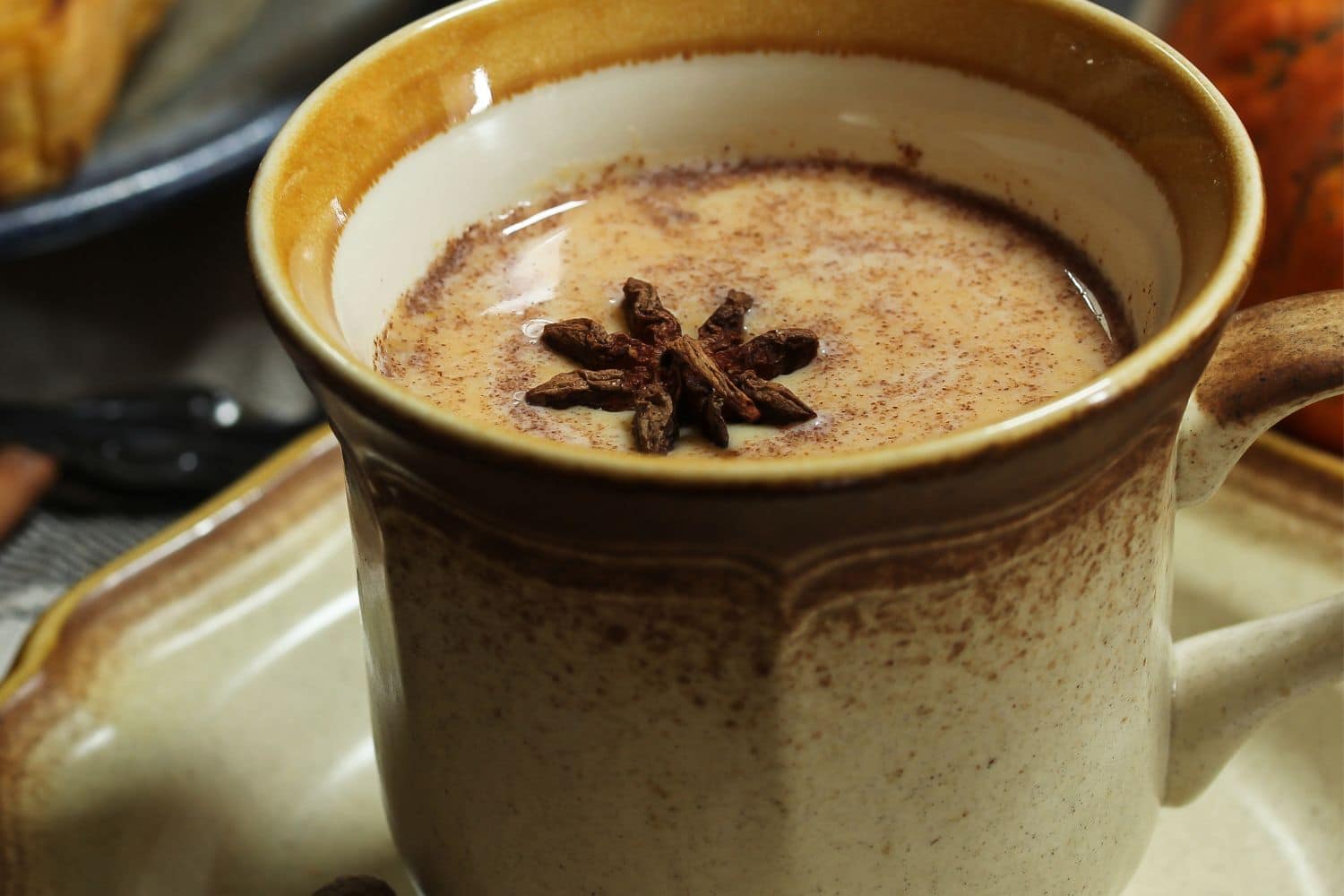
If you need more caffeine, make yourself a dirty chai latte with a shot of espresso or an even stronger red eye coffee. But be careful – we’re talking about a lot of caffeine here!
If you just want to use the classic bitter notes of an espresso to balance out the cinnamon or cocoa, you’re better off using decaf coffee.
Of course, you can also make a cold chai latte. It works the same way as an iced latte. If you’re using a powder, mix it with a little hot water, cool the mixture with ice and then add cold milk or cold milk foam.
Final Thoughts: Chai Latte Is More Than Just a Coffee Substitute
I find spiced tea to be an exciting alternative to coffee recipes – as long as you pay just as much attention to quality here as you do with any other hot beverage. In general, we shouldn’t underestimate the role of spices when preparing coffee and other drinks.
Spices can often unlock the unique flavors of tea and coffee, or give the drink an unusual twist. This applies not only to chai latte, but also to cardamom coffee and other exotic recipes.
Do you make your own chai latte? Feel free to share your spice mix with the Coffeeness community. The Comments section is all yours!
FAQs
A chai latte features a black tea base along with warming spices like pepper, cardamom and cloves. It’s then finished with a sweetener and steamed milk.
Chai latte is spiced tea with warm milk and sweetener.
Baristas usually make a chai latte by adding steamed milk to a pre-made chai concentrate.
A chai latte can be healthy if it’s prepared without sweeteners and other additives. However, pre-made chai powders are often loaded with sugar.